
Missing a tooth is about more than appearance. A gap in your smile can affect how you chew, speak, and maintain your oral health over time. One missing tooth can eventually lead to bone loss in the jaw, shifting of neighboring teeth, and changes in your bite. That is why many patients exploring tooth replacement options want to understand exactly what happens during dental implant treatment before making a decision.
In simple terms, the implant treatment involves four primary phases: planning, implant placement, healing, and restoration. While the timeline varies from person to person, the goal remains the same: replacing a missing tooth with a stable, natural-looking solution designed to function like a real tooth root and crown.
At Harborcreek Dental, we believe patients deserve clear, evidence-based information when considering treatment. Drawing on the clinical experience of Dr. Kevin Sambuchino, this guide explains every stage of implant treatment, expected recovery milestones, and the final outcome patients can realistically expect. If you are considering tooth replacement, we invite you to visit our dental office for a personalized evaluation and treatment discussion.
Why Are Implants Considered the Gold Standard for Tooth Replacement?
This treatment replaces both the visible tooth and the root beneath the gums, making it one of the most comprehensive tooth replacement options available.
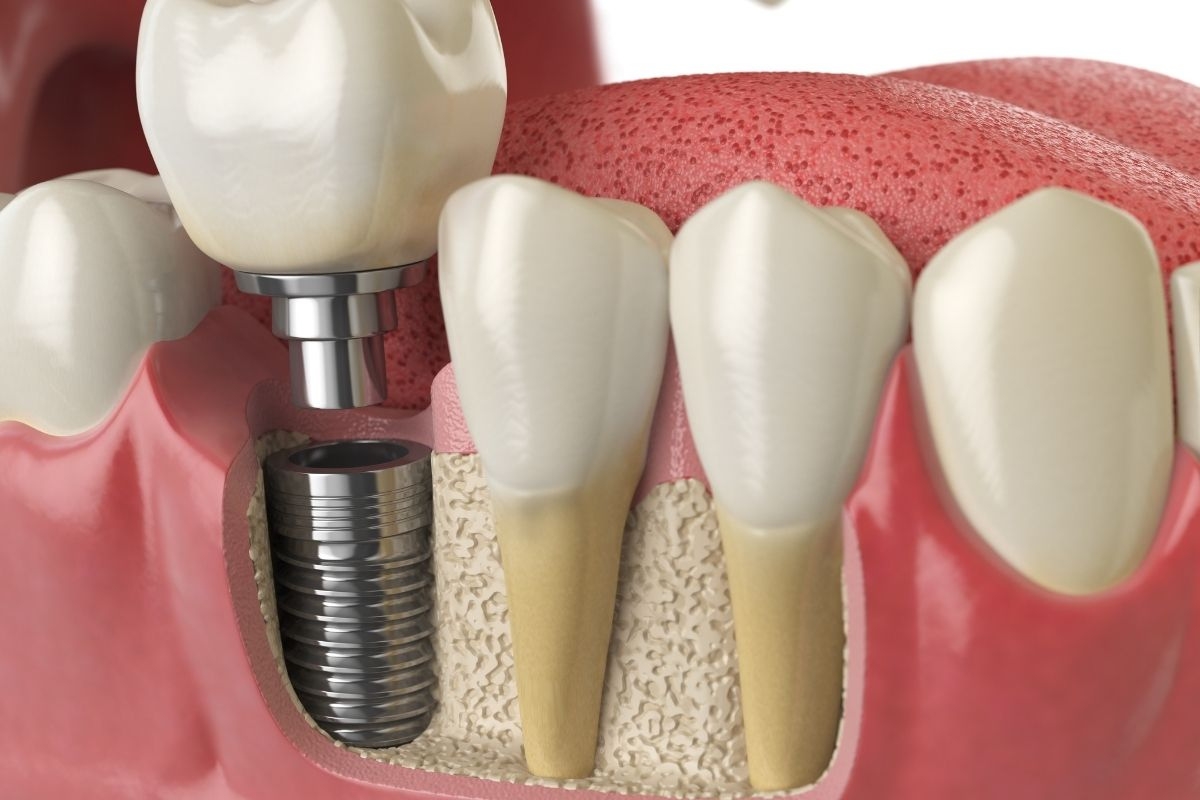
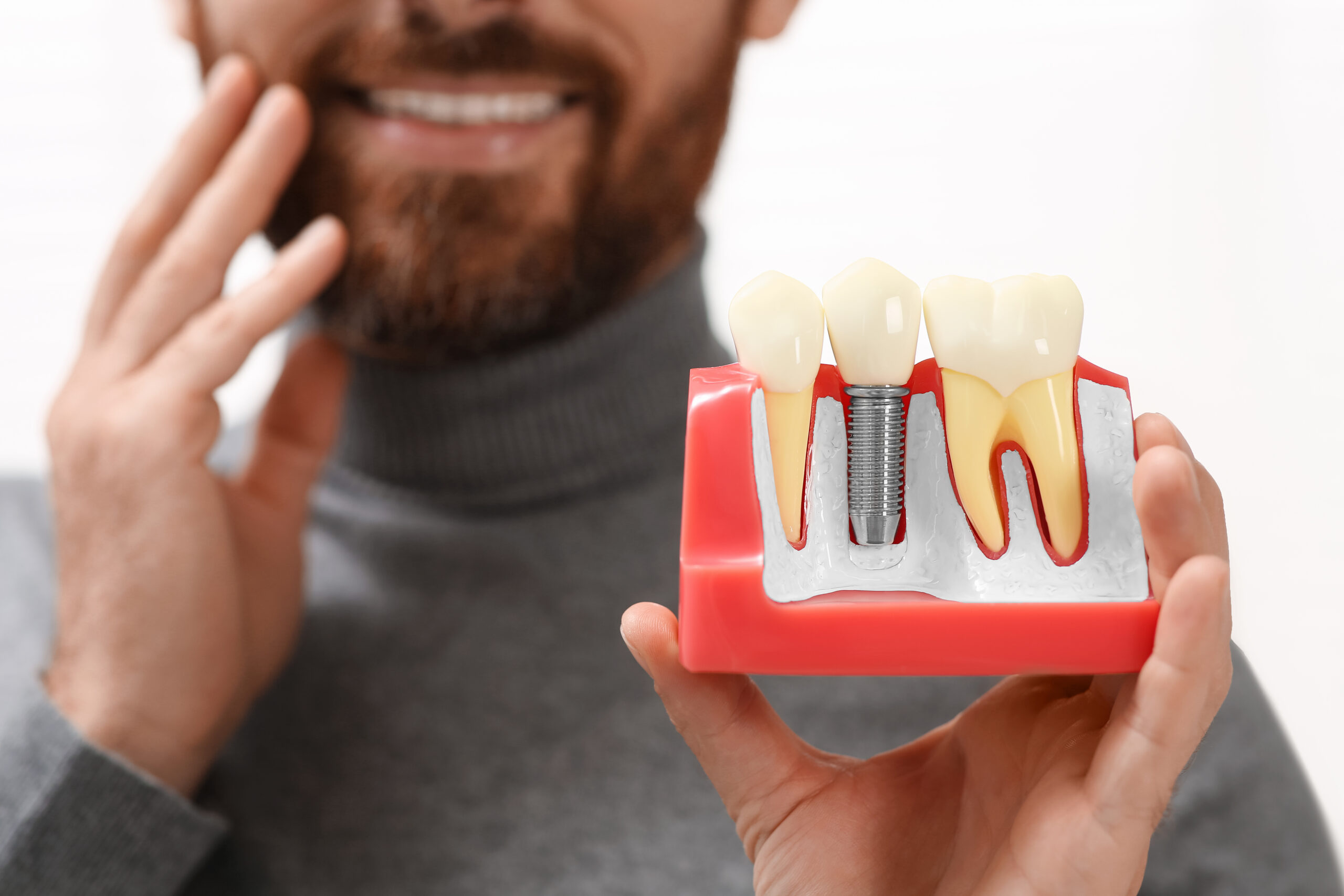
Unlike traditional restorations that rely on adjacent teeth or rest on the gums, implants are anchored directly into the jawbone. The implant acts as an artificial tooth root, helping preserve bone structure while providing exceptional stability.
Key benefits include:
- Restoring natural chewing function
- Supporting long-term jawbone health
- Preventing neighboring teeth from shifting
- Providing a natural appearance
- Offering long-term durability
- Improving speech and comfort
For many people, the ability to comfortably enjoy everyday meals, whether it is fresh Lake Erie perch, pepperoni balls, or family dinners at local restaurants, is one of the most appreciated benefits of implant treatment.
What Happens Before the Implant Surgery?
Every successful implant procedure begins with careful planning, diagnostic imaging, and a comprehensive oral health evaluation.
Before recommending treatment, your dentist must determine whether sufficient bone support exists for the implant. This evaluation helps identify potential challenges and allows for a customized treatment plan.
Your consultation may include:
- Comprehensive oral examination
- Digital X-rays or 3D imaging
- Bone density assessment
- Review of medical history
- Evaluation of gum health
- Bite analysis
Some patients may require preliminary treatment such as tooth extraction or bone grafting before implant placement can occur.
Are You a Candidate for the Implant Treatment?
Many healthy adults with missing teeth qualify for implants, although a personalized examination is necessary to confirm candidacy.
You may be a candidate if you:
- Have one or more missing teeth
- Maintain healthy gums
- Practice good oral hygiene
- Have adequate jawbone support
- Are you looking for a long-term replacement solution
Even if you have experienced bone loss, modern grafting procedures may help prepare the area for future implant placement.
What Are the Steps in Getting an Implanted Tooth?
Implant treatment follows a structured sequence designed to maximize healing, stability, and long-term success.
Understanding the steps can boost patients’ confidence in the process.
Stage 1: Consultation and Treatment Planning
Every implant process starts with a comprehensive evaluation.
During this stage, your dentist evaluates your oral health, reviews imaging, and develops a treatment plan tailored to your anatomy and goals. This planning phase plays a major role in long-term implant success.
Stage 2: Implant Placement Surgery
The implant itself is a small titanium post that is surgically positioned within the jawbone.
Titanium has been used in implant dentistry for decades because it is biocompatible and capable of integrating with living bone. During the procedure, the implant is placed precisely into the planned location and protected while healing begins.
Most patients report that implant placement is easier than they expected and often compare recovery to a routine tooth extraction.
Stage 3: Osseointegration
This stage is the foundation of the process of dental implants.
Osseointegration is the biological process in which the surrounding jawbone gradually fuses with the implant surface. Rather than simply sitting within the bone, the implant becomes securely integrated into it.
This connection allows the implant to function similarly to a natural tooth root and support normal chewing forces.
Stage 4: Abutment Placement
Once healing is complete, a small connector known as an abutment is attached to the implant.
The abutment serves as the link between the implant and the final restoration.
Stage 5: Final Restoration
The final crown is custom-designed to match your surrounding teeth in shape, size, and color.
This is considered the last step of dental implants, transforming the implant into a fully functional replacement tooth that blends naturally with your smile.
The Healing Timeline of the Implant Treatment: What Should You Expect?
Healing occurs in phases, with visible gum healing occurring first and bone integration continuing for several months beneath the surface.
Although every patient heals differently, most implant cases follow a predictable timeline.
| Healing Phase | What Typically Happens |
| First 24-72 Hours | Mild swelling and tenderness develop |
| First Week | Soft tissues begin healing |
| Weeks 2-4 | Initial gum healing progresses |
| Months 2-4 | Bone integration continues |
| Months 4-6 | Implant stability increases significantly |
| Final Restoration | Crown placement and bite refinement |
First Stage of Implant Healing Stages
The first stage of dental implant healing begins immediately after surgery.
Patients may experience:
- Mild swelling
- Temporary tenderness
- Minor bleeding
- Increased sensitivity while chewing
These symptoms are generally temporary and improve as tissues heal.
Following post-operative instructions, maintaining oral hygiene, and attending follow-up appointments support optimal recovery.
Understanding the Healing Stages
The first-stage dental implant healing occurs beneath the gums, where patients cannot see it.
While the surgical site may appear healed within weeks, the jawbone continues remodeling around the implant for months. This biological process determines the implant’s long-term strength and stability.
Factors that support successful healing include:
- Good oral hygiene
- Consistent professional care
- Proper nutrition
- Tobacco avoidance
- Management of underlying health conditions
What Happens If You Delay Replacing a Missing Tooth?
Delaying treatment can lead to progressive changes in the jawbone, bite, and surrounding teeth.
When a tooth root is no longer present, the underlying bone receives less stimulation. Over time, the body begins to resorb that bone.
Potential consequences include:
- Jawbone deterioration
- Shifting neighboring teeth
- Bite misalignment
- Increased restorative complexity
- Changes in facial appearance
Addressing tooth loss early often provides more treatment options and may reduce the need for additional procedures later.
How Long Does the Entire Process Take?
Most implant cases require several months from initial consultation to final restoration.
The exact timeline depends on:
- Individual healing response
- Bone quality and quantity
- Number of implants required
- Need for grafting procedures
- Overall oral health
While some patients qualify for accelerated treatment protocols, long-term stability always takes priority over speed.
The complete process of dental implants is designed to create a strong biological foundation rather than simply replacing a visible tooth.
What Does the Final Outcome Look Like?
A successful implant should look, feel, and function similarly to a natural tooth.
One of the primary reasons implants remain a preferred tooth replacement option is the quality of the final result.
Patients frequently notice improvements in:
- Chewing efficiency
- Smile confidence
- Speech clarity
- Bite stability
- Overall oral comfort
Unlike removable alternatives, implants become a fixed part of your smile.
Many patients find it difficult to distinguish their implant-supported crown from their natural teeth.
Individuals interested in learning more about our implant solutions in Harborcreek can explore additional information about treatment options and candidacy through our practice resources.
Schedule a Personalized Implant Evaluation
No two implant cases are identical. The quality of your bone, the condition of your gums, and your long-term oral health goals all influence treatment recommendations.
The best way to determine whether implants are appropriate for your situation is through a comprehensive diagnostic evaluation that includes imaging, clinical examination, and individualized treatment planning.
If you are exploring options for replacing missing teeth, visit our dental office and schedule a consultation with Harborcreek Dental. Our team can evaluate your anatomy, discuss realistic treatment timelines, and help you understand the most appropriate path toward restoring your smile.
Frequently Asked Questions
Can dental implants fail?
Dental implants have a very high success rate, but failure can occur if healing is disrupted by infection, smoking, uncontrolled medical conditions, or insufficient bone support. Regular follow-up care helps reduce these risks.
How painful is dental implant surgery?
Most patients report less discomfort than anticipated. Modern anesthesia and surgical techniques help make treatment comfortable, and post-operative soreness typically improves within several days.
How long do dental implants last?
With proper oral hygiene and routine professional care, dental implants can remain functional for many years. Long-term success depends on maintaining healthy gums and supporting bone.
Can I eat normally after receiving a dental implant?
A soft-food diet is generally recommended during the early healing period. Once healing is complete and the final restoration is placed, most patients return to their normal diet.
Do dental implants require special cleaning products?
Dental implants do not usually require specialized products. Daily brushing, flossing, and routine professional cleanings help maintain the health of the implant and surrounding tissues.
What happens if I have been missing a tooth for many years?
Long-term tooth loss can lead to jawbone shrinkage. A comprehensive examination can determine whether additional procedures such as bone grafting are needed before implant placement.
Are dental implants better than removable dentures?
Both treatments have advantages, but implants provide greater stability and help preserve jawbone structure. The ideal solution depends on your oral health, goals, and clinical needs.