
Losing a tooth can be stressful, but once the initial discomfort is gone, it can be tempting to leave the empty space alone, especially when the gap is toward the back of your mouth. If you can still eat and speak normally, replacing the tooth may not seem urgent.
However, a missing tooth affects more than the appearance of your smile. Your teeth, gums, jawbone, and bite function together as a system. Once one tooth is gone, gradual changes can begin in the surrounding area. Neighboring teeth may shift, the jawbone can lose volume, and chewing patterns may change. These developments can make restoring the missing tooth more complicated later.
At Harborcreek Dental, we help patients in Erie understand what is happening beneath the surface after tooth loss. Dr. Kevin Sambuchino evaluates the teeth, gums, bite, and jawbone to help patients understand their tooth replacement options and make informed decisions about their long-term oral health.
What Happens When a Tooth Is Missing?
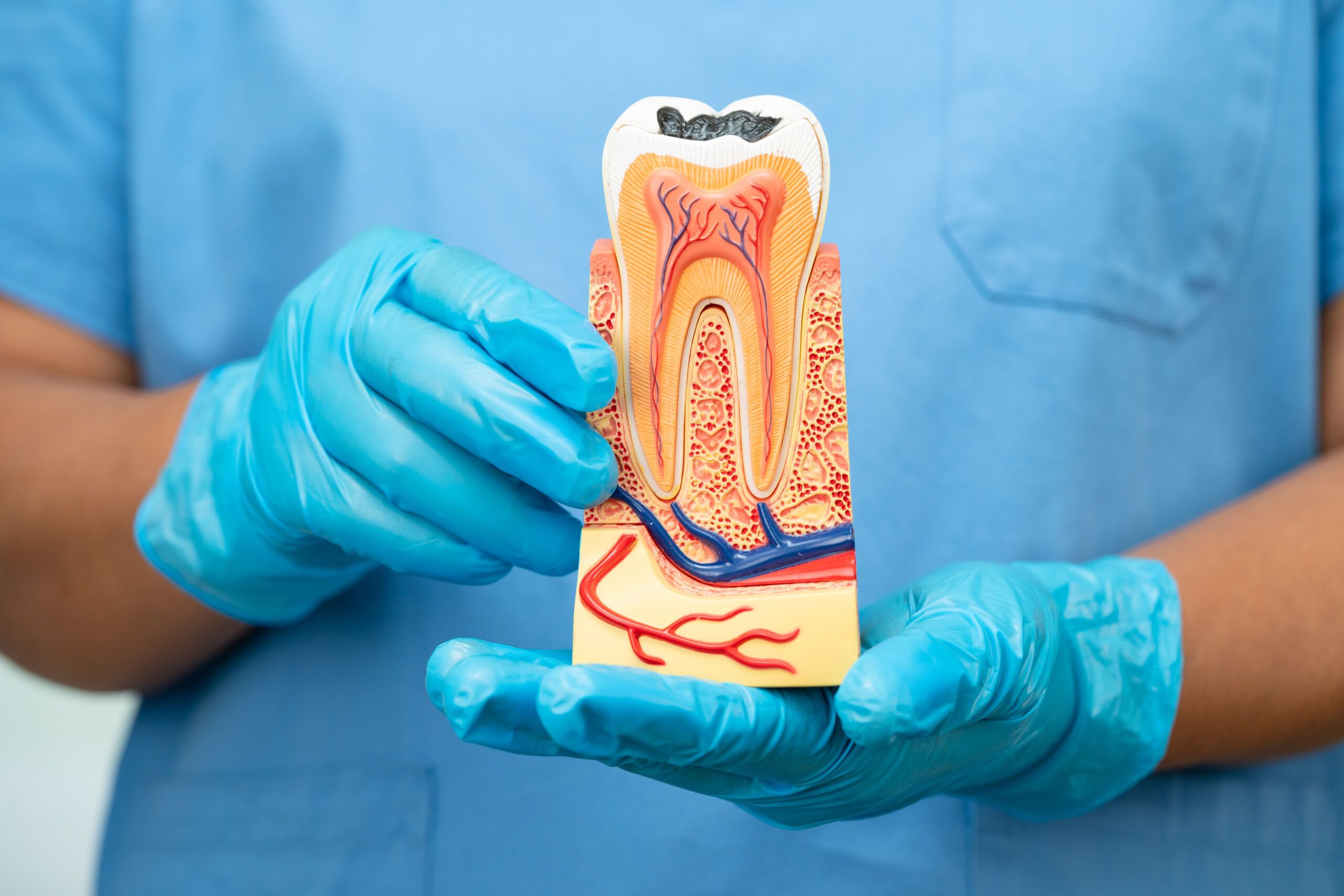
Every natural tooth has a visible crown and a root secured within the jawbone. When you chew, forces are transmitted through the root into the surrounding bone. After a tooth is lost, that particular area no longer receives stimulation from its natural root.
Your mouth may also begin adapting to the newly created space. Adjacent teeth can gradually move, while the opposing tooth may shift toward the empty area. The longer these changes continue, the more complicated restoring the original tooth position can become.
The effects are not identical for everyone. The location of the missing tooth, gum health, remaining bone, bite, age, and overall oral health can all influence what happens next.
Your Jawbone Can Begin to Shrink
One of the most important consequences of untreated tooth loss occurs beneath the gums.
Jawbone is living tissue that responds to stimulation. A natural tooth root helps maintain the bone surrounding it. Once the root is gone, the body can gradually resorb some of the bone that previously supported the tooth.
You usually cannot see this process happening, which is why patients may assume that nothing has changed.
Over time, bone loss can reduce the height or width of the ridge where the tooth once stood. This matters because sufficient bone is important when planning certain tooth replacement treatments.
If you are considering dental implants in Erie, having your jawbone evaluated sooner can help determine whether an implant is appropriate and whether additional procedures may be necessary.
Nearby Teeth May Shift Into the Empty Space
Teeth do not necessarily remain permanently fixed in exactly the same position.
When a tooth is removed or lost, the neighboring teeth no longer have the same contact relationship they previously had. Gradually, they may tilt or drift toward the opening.
Even relatively small movements can alter the way your upper and lower teeth come together.
Once surrounding teeth have shifted significantly, restoring the original space may become more involved. This is one reason we encourage patients not to assume that an empty space can simply be filled years later without first evaluating the changes that have occurred.
The Opposing Tooth May Move
Changes do not occur only beside the missing tooth.
The tooth directly above or below the empty space can also be affected. Without its opposing tooth making regular contact during biting, it may gradually move farther out of its normal position.
Dentists often refer to this process as overeruption or supraeruption.
If significant movement occurs, there may eventually be less room available for a replacement tooth. Your dentist must therefore evaluate the entire bite rather than looking only at the visible gap.
Your Bite Can Become Unbalanced
Your teeth are designed to distribute chewing forces throughout your mouth. Losing even one tooth can change that balance.
You may unconsciously begin chewing more heavily on the opposite side. Other teeth may then take on forces previously handled by the missing tooth.
Over time, changes in tooth position can further alter how the upper and lower teeth meet.
An altered bite does not automatically mean you will develop discomfort. However, changes in bite relationships can contribute to uneven tooth wear or make restorative treatment more complicated.
Replacing a missing tooth is therefore about restoring function as well as filling an empty space.
Eating Certain Foods May Become More Difficult
A missing front tooth can make biting into foods challenging, while losing a premolar or molar can reduce chewing efficiency.
Many patients naturally compensate. They chew on another side or begin avoiding foods that are uncomfortable to eat.
That adaptation can make the missing tooth seem less important. From a dental perspective, however, being able to “get by” does not necessarily mean your bite is functioning optimally.
A well-planned tooth replacement can help restore a more balanced chewing surface and make everyday eating feel more natural.
Your Smile and Facial Appearance May Change
The cosmetic effect of a missing front tooth is obvious, but longer-term changes can occur elsewhere as well.
Shifting teeth may create new spaces or alter alignment. Loss of bone in the area can also change the contour of the gum and jaw ridge.
When several teeth are missing, these structural changes can become more noticeable.
Replacing teeth is consequently not purely cosmetic. Maintaining tooth position and supporting oral structures can play an important role in preserving the overall appearance and function of your smile.
Waiting Can Make Future Treatment More Complex
Patients sometimes postpone treatment because they assume their replacement options will remain unchanged.
That is not always the case.
Imagine that an implant would have been straightforward shortly after tooth loss. Years later, reduced bone volume, movement of neighboring teeth, changes in the opposing tooth, or gum problems may need to be addressed before restoration.
This does not mean you have waited “too long” to seek help. Patients who have lived with missing teeth for years may still have appropriate treatment options. It simply means that your current oral condition needs to be carefully assessed before recommendations are made.
How Long Can You Wait Before Replacing a Missing Tooth?
There is no universal deadline that applies to every patient.
The appropriate timing depends on why the tooth was lost, whether the site needs to heal, the condition of your gums and bone, the location of the missing tooth, and the type of replacement being considered.
For example, an implant cannot simply be recommended based on the presence of an empty space. Your dentist must determine whether your jawbone and overall oral health can adequately support treatment.
At Harborcreek Dental, implant evaluations include a dental and radiographic examination along with a review of the patient’s general health history.
The important point is simple: do not wait for the missing tooth to cause noticeable problems before having it evaluated.
Can a Missing Tooth Still Be Replaced After Several Years?
Yes, potentially.
Living with a missing tooth for several years does not automatically rule out replacement. The first step is determining what has changed since the tooth was lost.
We evaluate factors such as:
- Available jawbone
- Gum health
- Position of neighboring teeth
- Available space
- Overall bite
- Number and location of missing teeth
- General oral health
- Medical history relevant to treatment
Imaging can provide important information about structures that cannot be adequately assessed through a visual examination alone.
Harborcreek Dental uses cone-beam CT technology when appropriate to obtain detailed three-dimensional information about dental structures, nerves, and facial tissues, supporting diagnosis and treatment planning.
Why Consider Dental Implants for a Missing Tooth?
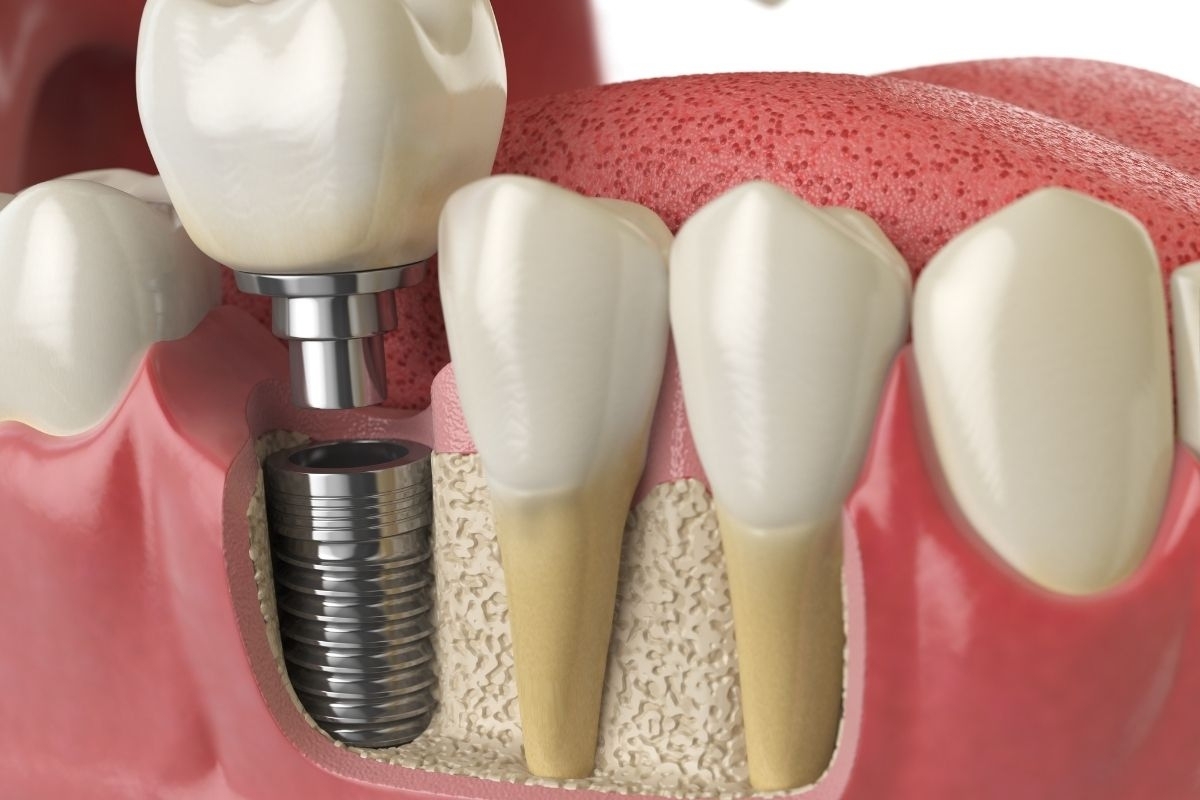
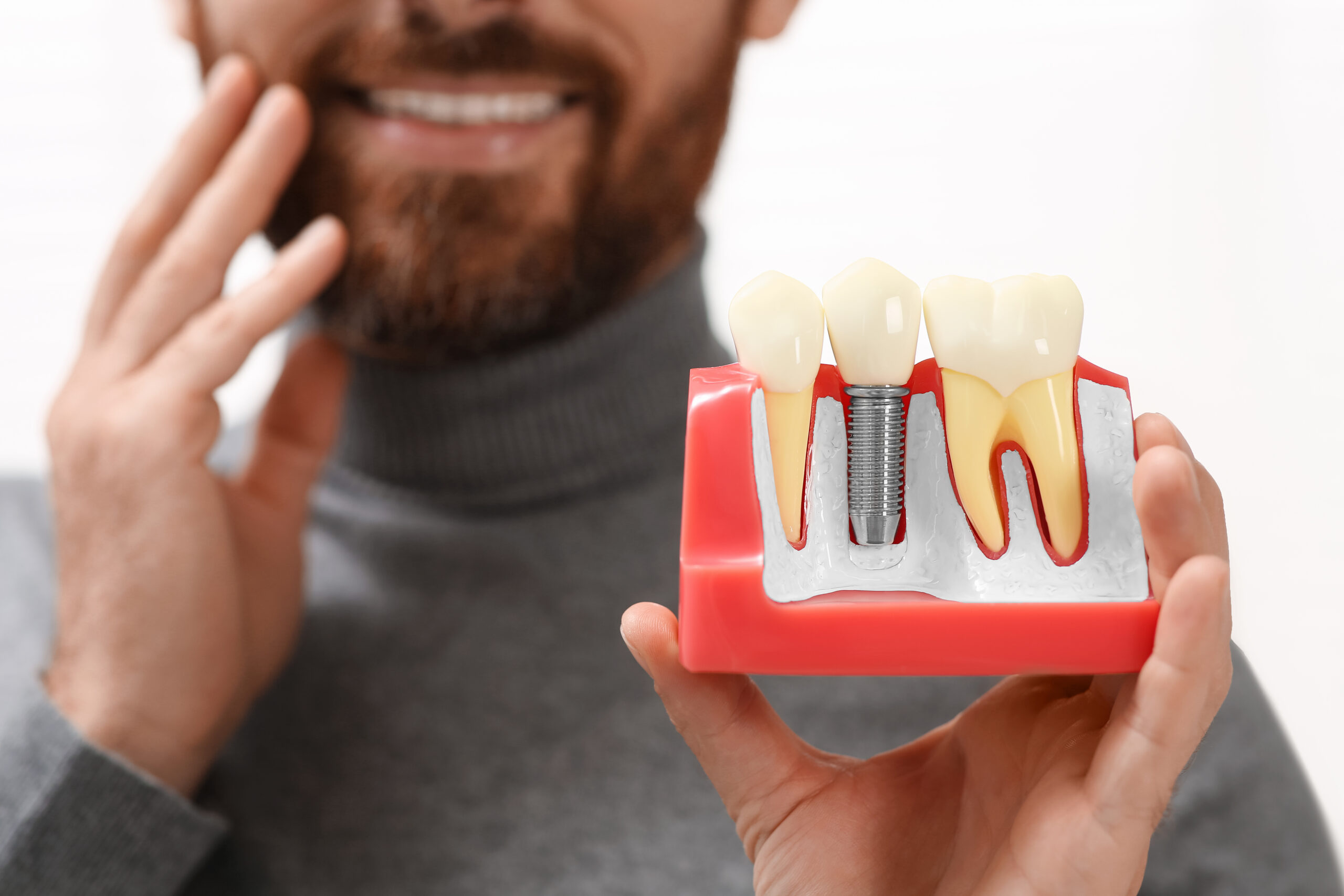
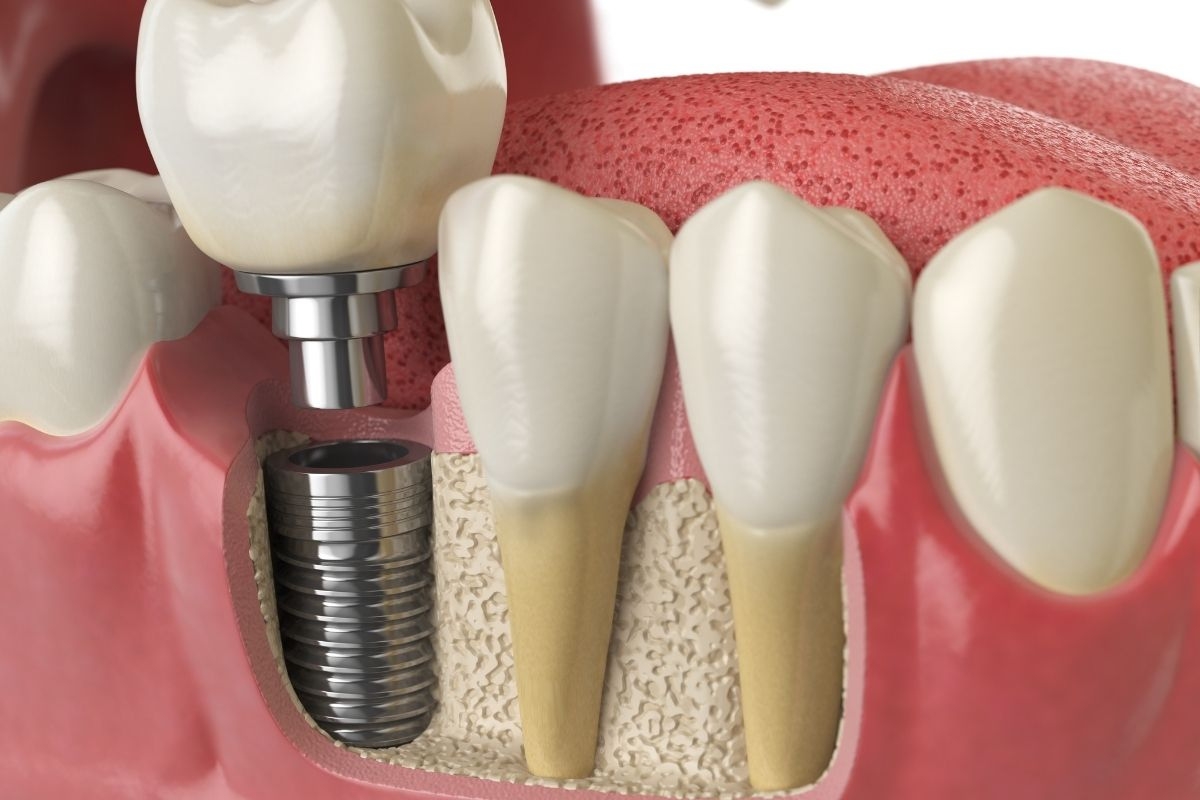
An implant differs from many other replacement methods because it is designed to replace the missing tooth root as well as support the visible restoration.
The implant is positioned within the jawbone and allowed to integrate with the surrounding bone. After appropriate healing, a customized restoration can be placed to restore the missing tooth.
For suitable candidates, implants can provide stability, natural-looking aesthetics, and strong chewing function without relying on the adjacent natural teeth for support.
Harborcreek Dental also offers laser-assisted implant placement. According to our implant treatment information, this approach uses a CO2 laser to access the treatment site without conventional incisions or sutures in appropriate cases.
Whether conventional or laser-assisted treatment is appropriate depends on your individual clinical needs.
When Should You Talk to a Dentist About Your Missing Tooth?
Ideally, schedule an evaluation soon after losing a tooth or learning that a tooth needs to be extracted.
Early planning gives your dentist an opportunity to evaluate the site before substantial changes have occurred. It also allows you to understand the available options rather than making a rushed decision later.
If your tooth has already been missing for months or years, do not assume nothing can be done. An examination and appropriate imaging can show your dentist exactly what your current situation looks like.
Protect Your Smile With Tooth Replacement in Erie, PA
A missing tooth may seem harmless once the area stops hurting, but changes can continue even when you cannot see or feel them. Bone loss, tooth movement, bite changes, and reduced chewing efficiency are important reasons to discuss replacement rather than simply ignoring the space.
At Harborcreek Dental, Dr. Kevin Sambuchino uses detailed examinations and modern dental technology to evaluate missing teeth and develop treatment recommendations based on each patient’s oral health. Our practice serves Erie and surrounding communities from our office at 4820 Buffalo Road.
If you are wondering whether dental implants in Erie could help restore your smile, schedule an evaluation with Harborcreek Dental. We can examine the missing-tooth area, discuss your options, and help you determine an appropriate next step for maintaining your smile.
Frequently Asked Questions
1. What happens if I never replace a missing tooth?
Leaving a missing tooth untreated may allow nearby teeth to shift, change your bite, reduce chewing efficiency, and contribute to jawbone loss. The extent of these changes varies depending on the tooth’s location and oral health.
2. Does bone loss occur after losing only one tooth?
Yes. Bone in the area of a missing tooth can gradually lose volume because it no longer receives stimulation from the natural root. The amount and rate of change differ considerably among individual patients over time.
3. Can neighboring teeth move after a tooth is extracted?
Yes. Teeth beside an untreated gap may gradually tilt or drift toward the available space. This movement can affect alignment and bite relationships and potentially reduce the space available for a future replacement tooth in some patients.
4. Is it too late to replace a tooth after several years?
Not necessarily. Teeth that have been missing for years may still be replaceable. Your dentist will evaluate bone volume, gum health, tooth positions, available space, medical history, and bite before recommending an appropriate treatment option for you.
5. Can a missing back tooth be left untreated because nobody sees it?
Visibility is not the only concern. Back teeth contribute substantially to chewing and bite stability. Leaving one missing can encourage neighboring or opposing teeth to move and may change how chewing forces are distributed throughout your mouth.
6. Will I need a bone graft if I waited to get an implant?
Not everyone who delays implant treatment needs bone grafting. Your dentist must evaluate the available jawbone through an examination and imaging. If inadequate bone remains, additional treatment may be discussed before implant placement depending on your individual circumstances.
7. What is the first step toward replacing a missing tooth?
Start with a dental evaluation. Your dentist can examine your gums, remaining teeth, bite, and jawbone and use appropriate imaging to understand the site. From there, you can compare suitable replacement options and treatment timelines.