
Replacing missing teeth is a long-term decision that can improve the way you eat, speak, and smile. Because the procedure involves both surgery and a custom restoration, choosing the right dentist for dental implants is one of the most important steps in achieving lasting results.
Not every dental office follows the same treatment approach or uses the same technology. Taking time to compare experience, diagnostic methods, and patient care can help you make a confident decision. This guide explains what to look for when selecting a provider so you understand the factors that contribute to successful implants and long-term oral health.
Why Choosing the Right Dentist Matters
Replacing a missing tooth involves much more than filling an empty space. The treatment requires careful planning, accurate implant placement, and ongoing follow-up to protect your oral health.
An experienced provider will evaluate your gums, jawbone, bite, and overall dental condition before recommending treatment. They should also explain every stage of the procedure, discuss possible alternatives, and answer your questions clearly.
When a dentist takes the time to educate patients rather than rushing treatment, you can move forward with greater confidence.
- Look for Advanced Training and Clinical Experience
Experience is one of the first things you should consider when comparing providers. Every patient has unique oral health needs, and some implant cases require additional procedures before treatment can begin.
During your consultation, consider asking questions such as:
- How many implant procedures have you completed?
- What continuing education have you completed in implant dentistry?
- Do you routinely treat more complex cases?
- Can I see examples of previous patient results?
Dentists who regularly pursue continuing education stay current with modern techniques, research, and treatment protocols that support predictable outcomes.
- How to Find the Right Provider for Your Implant Treatment
Many patients begin their search by asking who does dental implants and how they can identify the right provider. While many general dentists offer implant treatment, experience, technology, and treatment planning can vary significantly between practices.
A trusted dentist for dental implants will perform a detailed examination, explain every stage of treatment, and determine whether procedures such as bone grafting are needed before implant placement.
If you’re researching dental implants in Erie, you’ll likely notice that established practices focus on comprehensive evaluations, advanced imaging, and long-term patient care instead of simply completing the procedure.
- Modern Technology Improves Treatment Planning
Technology plays an important role in implant dentistry. Modern equipment allows dentists to evaluate your oral structures more accurately while creating a treatment plan that fits your specific needs.
Digital X-Rays
Digital X-rays provide detailed images of your teeth and supporting bone while using less radiation than many traditional systems. They help identify concerns that may not be visible during a standard examination.
3D Cone Beam CT Imaging
Three-dimensional scans allow your dentist to evaluate bone density, nerve locations, and nearby structures before treatment begins. This detailed information supports precise implant placement and reduces the risk of unexpected complications.
Digital Treatment Planning
Computer-guided planning helps determine the ideal position for tooth implants, improving both function and appearance after treatment is complete.
- Ask About the Implant System and Materials
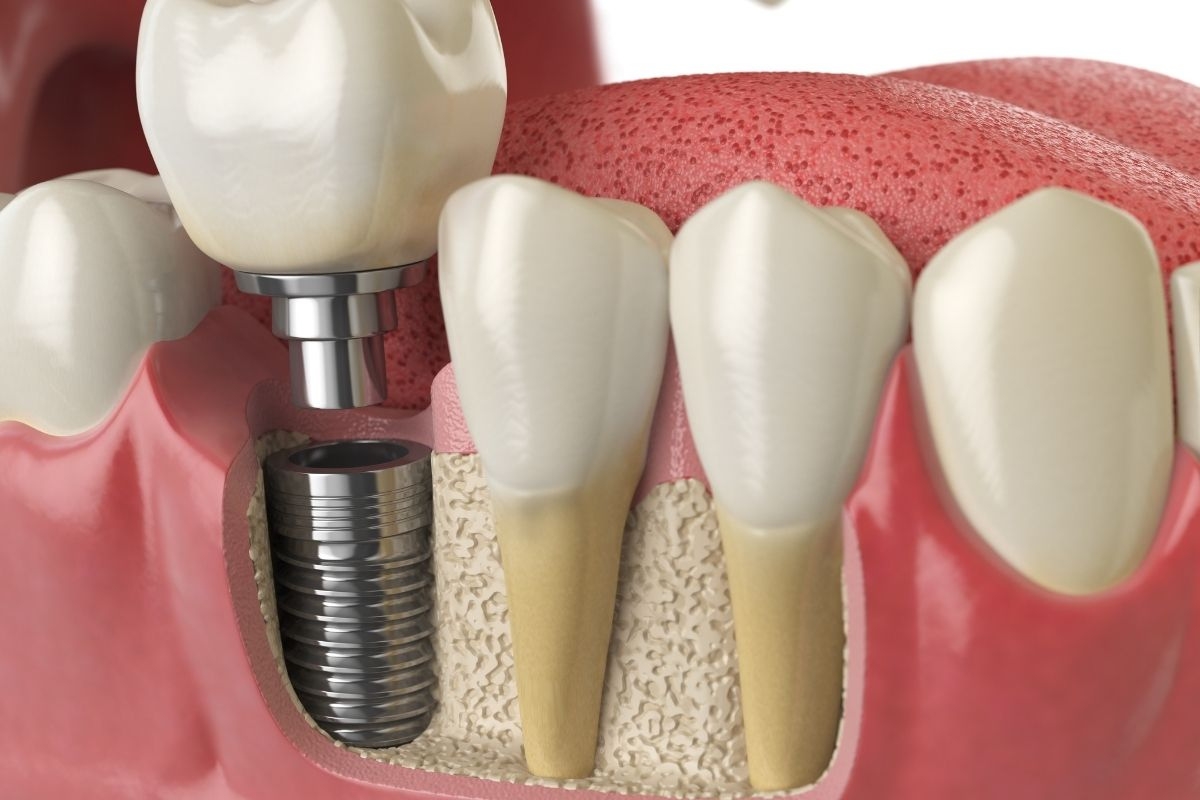
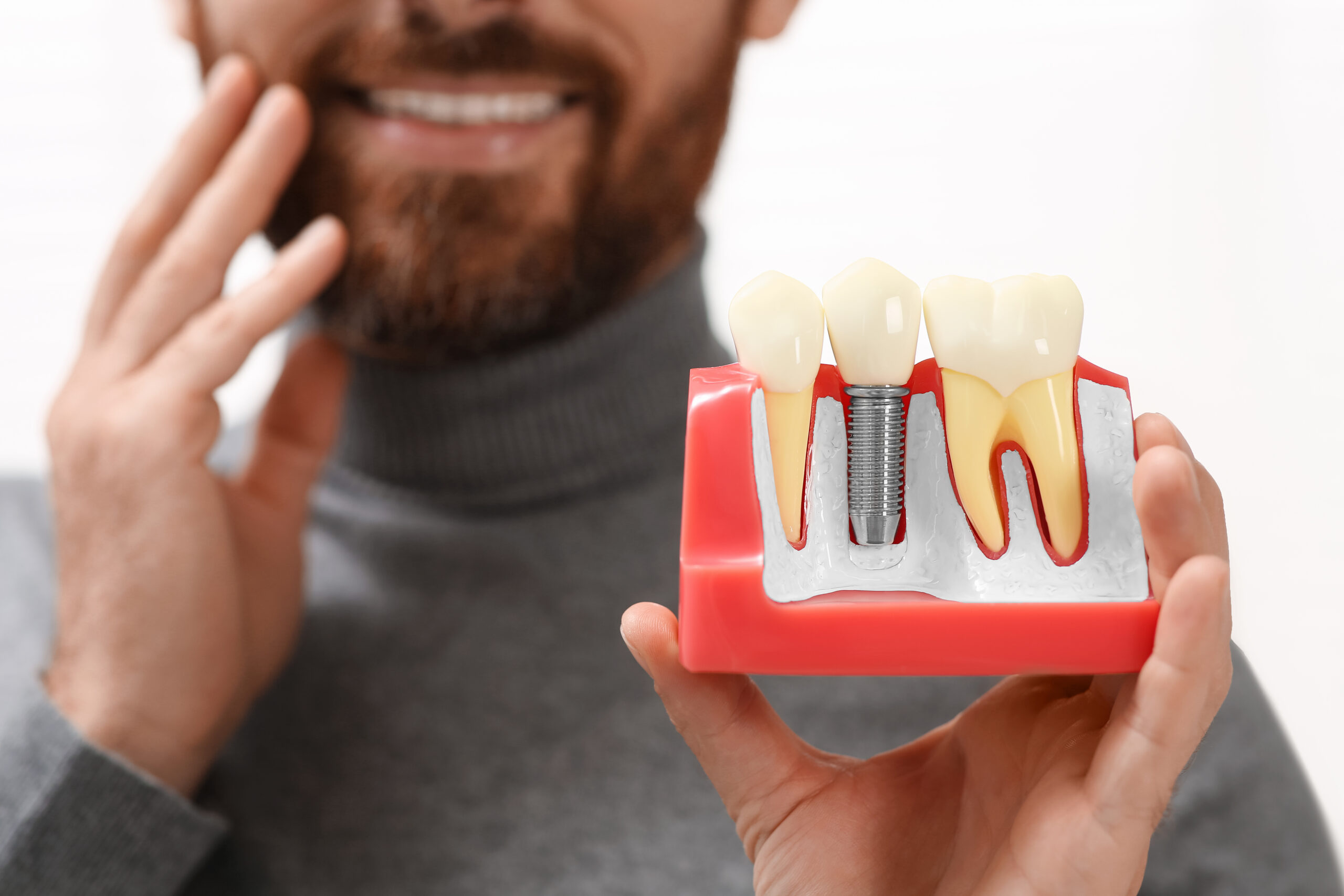
Not every implant system is manufactured to the same standards. The quality of the implant components and final restoration can influence durability, stability, and long-term success.
Ask your dentist which implant manufacturer they use and why they recommend that system. Established manufacturers typically support their products with years of clinical research and documented performance.
The final crown should also be carefully designed to blend naturally with your surrounding teeth while restoring comfortable chewing and speech.
- The Dental Laboratory Also Matters
Many patients focus only on the implant itself, but the dental laboratory plays an equally important role.
After healing is complete, a custom restoration is created to attach to the implant. A laboratory with extensive experience in implant restorations uses precise digital technology and quality materials to produce restorations that fit comfortably and look natural.
Working with a reliable laboratory can also make future adjustments more efficient if needed.
- A Strong Dental Team Improves Your Experience
Receiving tooth implants usually involves several appointments over a period of months. Throughout that time, you’ll interact with the dentist, hygienists, assistants, and administrative team.
An organized office helps keep appointments on schedule, answers financial questions clearly, and provides guidance throughout the healing process.
Patients should always feel comfortable asking questions. Clear communication helps reduce anxiety and creates a more positive treatment experience from beginning to end.
- Look for a Patient-First Consultation
A quality consultation should never feel rushed. Instead, it should provide the information you need to understand your treatment options and make an informed decision.
During your appointment, your dentist should:
- Review your complete medical and dental history.
- Perform a comprehensive oral examination.
- Explain each stage of treatment.
- Discuss possible alternatives when appropriate.
- Review healing expectations and aftercare instructions.
Before moving forward, you should clearly understand what the procedure involves and why it is recommended.
If you’re looking for clear communication and comprehensive treatment planning, Harborcreek Dental takes the time to evaluate your oral health, explain every step of the procedure, and answer your questions before treatment begins. An informed patient is better prepared to make confident decisions about their smile.
- Read Reviews and Ask for Recommendations
Online reviews provide valuable insight into how a dental office treats its patients. Look beyond star ratings and pay attention to comments about communication, professionalism, comfort, and long-term results.
Recommendations from family members, friends, or coworkers can also be helpful. Hearing about someone else’s personal experience often provides reassurance during your decision-making process.
Although every practice may receive an occasional negative review, consistent positive feedback over time is usually a stronger indicator of patient satisfaction.
- Long-Term Care Is Just as Important
Implant treatment doesn’t end when the final restoration is placed. Ongoing maintenance helps protect your investment and supports your overall oral health.
Routine dental visits allow your provider to monitor your implant, evaluate your gums, and identify any concerns before they become larger problems.
Your dentist should also explain proper brushing, flossing, and home care techniques so you can keep your implant healthy for many years.
Make a Confident Decision About Your Smile
Choosing the right dentist for dental implants involves much more than comparing prices or reading a few online reviews. Experience, modern technology, careful treatment planning, quality materials, and continued patient support all contribute to successful dental posts that look, feel, and function naturally.
If you’re considering implant treatment, schedule a consultation with Harborcreek Dental to discuss your options and receive a comprehensive evaluation. The right guidance at the beginning of your treatment can help you make a confident decision and support lasting oral health.
To continue learning about your options, explore our pages on implant procedures, bone grafting, tooth replacement solutions, and dental implant aftercare to better understand every step of your smile restoration journey.
Frequently Asked Questions
How Do I Know If I’m A Candidate For Dental Implants?
Most adults with healthy gums and adequate jawbone may qualify after a complete examination. Schedule a consultation so your dentist can evaluate your oral health and recommend the right treatment for your smile.
How Long Do Dental Implants Usually Last?
With proper home care and regular dental checkups, implants can last for many years. Routine visits allow your dentist to monitor your restoration and keep your smile healthy over time.
Does Getting A Dental Implant Hurt?
The procedure is performed with local anesthesia, so most patients experience little discomfort during treatment. Your dental team will also provide instructions to help you recover comfortably afterward.
How Long Does The Implant Process Take?
Treatment timelines vary depending on your oral health and healing. Your dentist will explain each phase of the process and create a schedule based on your individual needs.
What Should I Ask During My Implant Consultation?
Ask about the dentist’s experience, diagnostic technology, implant system, treatment timeline, and recovery process. A detailed consultation helps you make an informed decision before starting treatment.
How Do I Care For My Implant After Treatment?
Brush and floss every day, attend regular dental checkups, and follow your dentist’s aftercare instructions. Ongoing maintenance plays an important role in keeping your implant healthy for years.
Can Dental Implants Replace Multiple Missing Teeth?
Yes. Depending on your oral health, implants can support single crowns, bridges, or full-arch restorations. A consultation allows your dentist to recommend the option that fits your long-term needs.