
It’s very common to have questions after a dental implant procedure. Patients often ask, “Is this soreness normal?” or “How long should my gums feel tender?” Others may notice small changes day to day and wonder if healing is progressing as expected.
If you’ve recently received an implant, understanding what’s normal can help you feel more confident during recovery. For patients exploring dental implants in Erie, it’s helpful to know that healing is a gradual, closely monitored process—and in most cases, it follows a predictable pattern when everything is on track.
What Normal Dental Implant Healing Looks Like
Healing after a dental implant happens in stages, and each phase has its own expectations.
First few days:
It’s normal to experience mild swelling, tenderness, and slight discomfort around the implant site. Some patients also notice minor bruising or sensitivity while chewing.
First few weeks:
The initial soreness should gradually improve. Your gums begin to settle, and daily activities like eating and speaking become more comfortable.
Over the next few months:
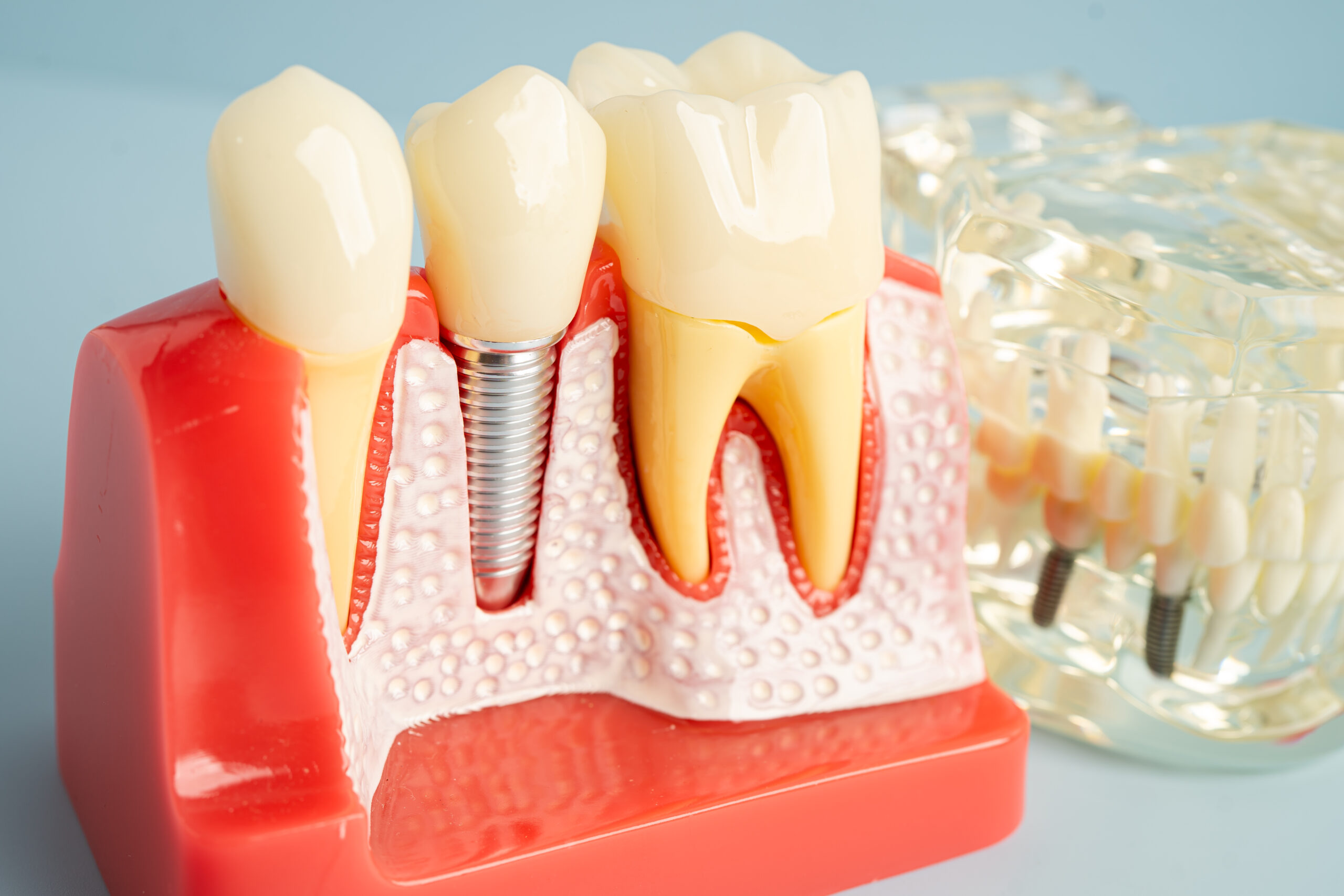
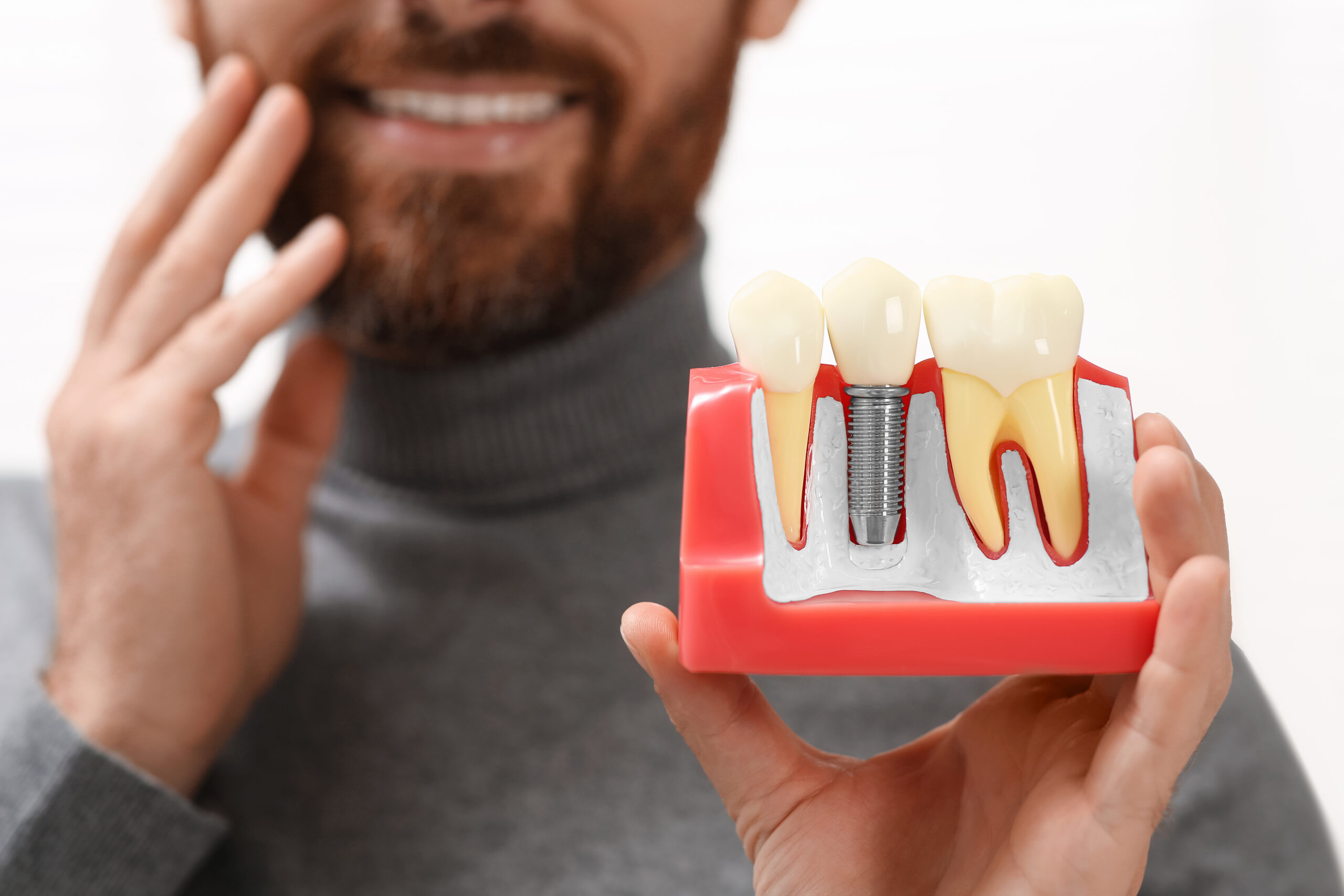
This is when the implant bonds with the jawbone—a process called osseointegration. You won’t necessarily feel this happening, but it’s an important part of long-term success.
Most patients in Erie find that healing feels steady rather than sudden, with small improvements over time.
Signs Your Dental Implant Is Healing Properly
There are several reassuring signs that your implant is progressing as expected:
- The implant feels stable and doesn’t move
- Discomfort gradually decreases rather than increases
- Gums look healthy, with a natural pink color
- Swelling subsides within a few days
- You can slowly return to normal eating habits
It’s normal to still feel some awareness of the implant area early on, but it should not interfere with your daily routine as healing continues.
Warning Signs That Shouldn’t Be Ignored
While most implant recoveries are smooth, certain symptoms may need attention:
- Persistent or worsening pain after the first few days
- Swelling that does not improve or increases over time
- A loose or shifting implant
- Signs of infection, such as pus, bad taste, or fever
- Gum recession exposing parts of the implant
These changes don’t always indicate a serious issue, but they are worth checking. Early evaluation can help prevent complications and keep healing on track.
Factors That Affect Healing After Dental Implants
Healing isn’t the same for everyone. A few key factors can influence how quickly and comfortably you recover:
- Bone health: A strong jawbone supports better integration
- Oral hygiene habits: Keeping the area clean reduces risk of infection
- Smoking: Can slow healing and affect implant stability
- Medical conditions: Conditions like diabetes may impact recovery time
Patients receiving dental implants in Erie are often advised that consistent care and healthy habits play a significant role in successful healing.
How to Support Proper Healing at Home
Simple daily habits can make a meaningful difference in how your implant heals:
- Brush gently around the area using a soft-bristled toothbrush
- Floss carefully to keep the gum line clean
- Follow all post-procedure instructions provided by your dental team
- Choose softer foods during early healing
- Avoid putting pressure directly on the implant site
Many patients find that maintaining a steady routine—especially during busy workweeks or family schedules—helps keep recovery smooth and predictable.
How Dentists Monitor Implant Healing
Healing isn’t something you have to evaluate on your own. Dentists closely track your progress during follow-up visits.
This typically includes:
- Checking implant stability to ensure it is integrating with the bone
- Evaluating gum tissue for healthy healing
- Reviewing your comfort level and any symptoms you’ve noticed
- Using imaging when needed to confirm internal healing
- Making preventive adjustments if something needs attention
People visiting a dental office in Erie for implant care are usually scheduled for periodic check-ups so that any concerns can be addressed early and calmly.
When It’s Helpful to Get Reassurance
If something doesn’t feel quite right—or even if you just want peace of mind—it’s always appropriate to ask questions.
If you’d like to check how your implant is healing or talk through what you’re experiencing, you can visit our dental practice in Erie to better understand what’s normal and whether any adjustments are needed. Open communication can make the healing process feel much more manageable.
FAQs
How long does dental implant healing take?
Initial healing usually takes a few weeks, but full integration with the bone can take several months. The timeline varies depending on individual health and the location of the implant.
Is pain normal after dental implants?
Mild discomfort is normal in the first few days. It should gradually improve rather than worsen. Ongoing or increasing pain should be evaluated.
Can an implant fail during healing?
While uncommon, implants can fail if the bone doesn’t properly integrate or if infection develops. Regular follow-ups help reduce this risk.
What does a healthy implant feel like?
A properly healing implant feels stable and comfortable. You shouldn’t notice movement, and sensitivity should decrease over time.
When should I call my dentist?
If you notice persistent pain, swelling, looseness, or signs of infection, it’s best to reach out. Even small concerns are worth discussing for reassurance.