
It is one of those situations most dentists have seen more times than they can count. A patient comes in for a routine visit, mentions a tooth was pulled a year or two ago, and then adds, almost as an afterthought, “I kept meaning to do something about it.” Life got busy. There was no pain. The space felt manageable. And somehow, replacing that tooth moved to the back of the list.
It is an understandable pattern. When a missing tooth is not causing obvious discomfort, it can be easy to assume it is not causing any real harm either. But the biology happening beneath the gumline tells a different story — and understanding that process matters for anyone exploring long-term tooth replacement with implants or any other restorative option.
This article walks through what actually happens inside the jaw and surrounding teeth when a gap is left untreated — and why the timing of treatment matters more than many people realize.
Why Some People Delay Replacing a Missing Tooth
There is rarely one single reason. For many patients across Erie and the surrounding communities, the decision to wait comes from a combination of factors.
- No pain or noticeable discomfort immediately after the loss
- A demanding work schedule, family responsibilities, or caregiving duties
- Uncertainty about which treatment option makes the most sense
- Wanting to plan ahead financially before committing to a procedure
- Assuming that one missing tooth, especially one not visible when smiling, is not a priority
None of these reasons reflect poor judgment. They reflect real life. The difficulty is that the jaw and surrounding teeth do not pause while a person is waiting to be ready.
What Happens Inside the Jaw After Tooth Loss
The roots of your teeth do more than anchor them in place. Every time you bite and chew, those roots transmit gentle pressure into the jawbone beneath. That stimulation signals the body to maintain bone density in that area — essentially telling the bone it is being used and needs to stay strong.
When a tooth is removed and not replaced, that stimulation stops. The jawbone in that region gradually begins to resorb, or shrink. This process can begin within the first few months after tooth loss and continues over time if left unaddressed.
For patients in Erie who may have been missing a tooth for a year or more, a notable amount of bone volume can already be lost. That has practical consequences: a shrunken ridge is more difficult to restore, may require additional procedures before certain treatments are possible, and can alter the shape and support of the lower face over time.
How Nearby Teeth Begin to Shift
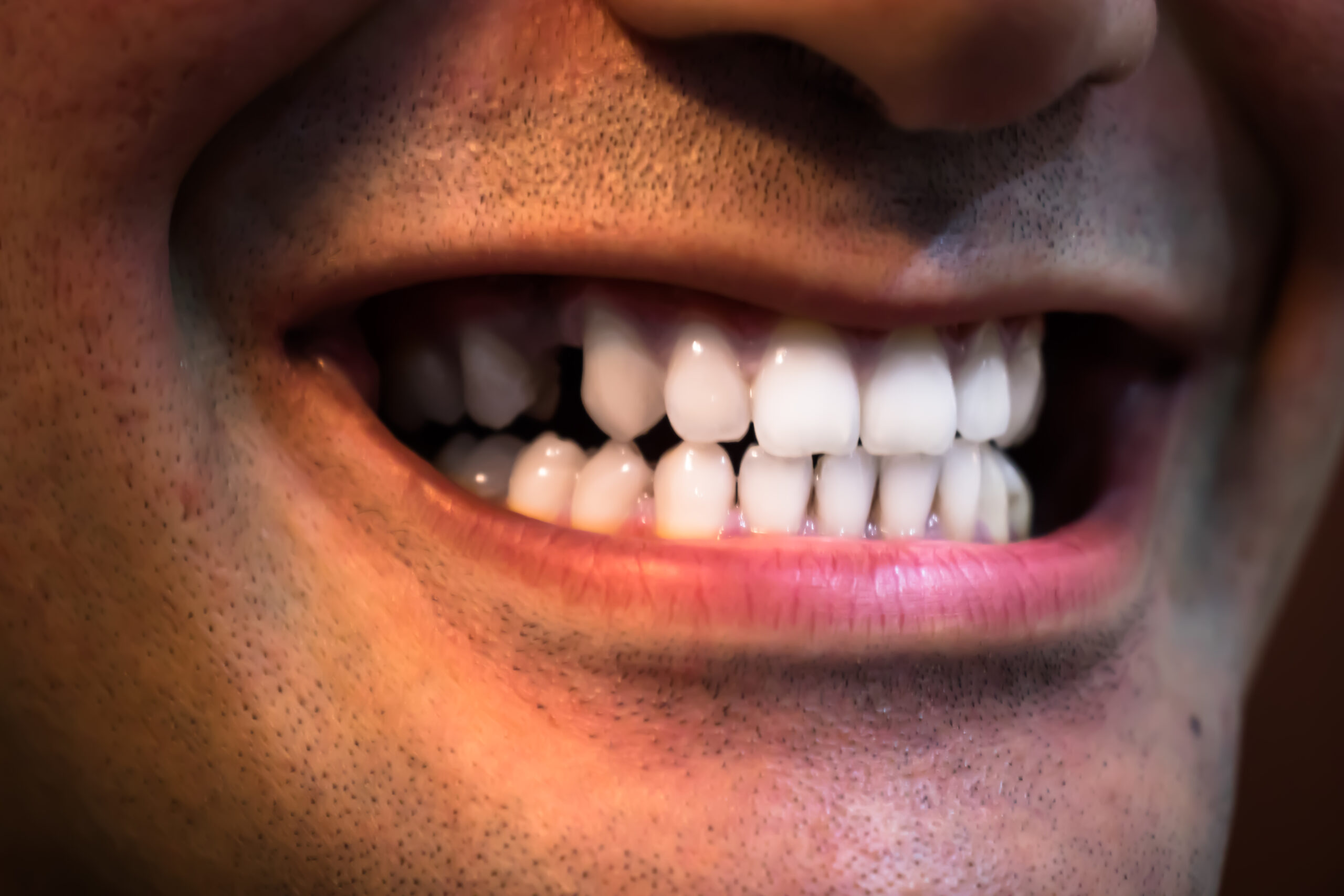
Teeth are held in position partly by the pressure they place on each other. When one is removed, that balance changes. The teeth on either side of the gap — and sometimes the tooth directly above or below it — will naturally begin to drift toward the empty space.
This movement is slow and usually not something a person notices day to day. Over months and years, however, teeth can tip, rotate, or migrate in ways that:
- Alter the natural spacing and alignment of the bite
- Create new gaps or crowding in areas that were previously well-aligned
- Make future tooth replacement more complicated or require orthodontic preparation first
What begins as one missing tooth can, over time, set off a chain of changes throughout the mouth.
Bite Changes and Chewing Difficulties
As teeth shift and the bite changes, the forces of chewing become distributed unevenly. Patients often adapt without realizing it — favoring one side of the mouth, avoiding certain textures, or slightly altering the way they close their jaw.
Over time, this compensation can place excessive stress on the remaining teeth. That may show up as increased wear on the enamel, sensitivity, micro-fractures, or discomfort in the jaw joints. For some patients, especially those who have been missing a tooth for several years, jaw soreness or clicking sounds become familiar — though they may not immediately connect those symptoms to an untreated gap.
Increased Risk of Future Dental Problems
A gap in the arch is also harder to clean thoroughly. Food and bacteria accumulate more easily in irregular spaces, raising the risk of gum disease in the surrounding tissue. When gum disease develops near an untreated extraction site, it can accelerate the bone loss already underway.
The cumulative effect of shifting teeth, bone deterioration, and increased gum disease risk is a more complex oral health picture. Patients who wait several years before addressing a missing tooth often find that the treatment path is longer and more involved than it would have been earlier — not because dentists are trying to complicate things, but because the mouth has changed in the meantime.
Why Dentists Recommend Timely Tooth Replacement
Dental professionals consistently recommend addressing a missing tooth sooner rather than later, and the reasoning is grounded in preserving what remains rather than simply filling a gap.
When a replacement is placed in a reasonable timeframe — before significant bone loss has occurred and before neighboring teeth have drifted — the outcome tends to be more straightforward and more durable. The surrounding bone is still at the height and density needed to support a restoration. The bite has not yet compensated in ways that complicate alignment.
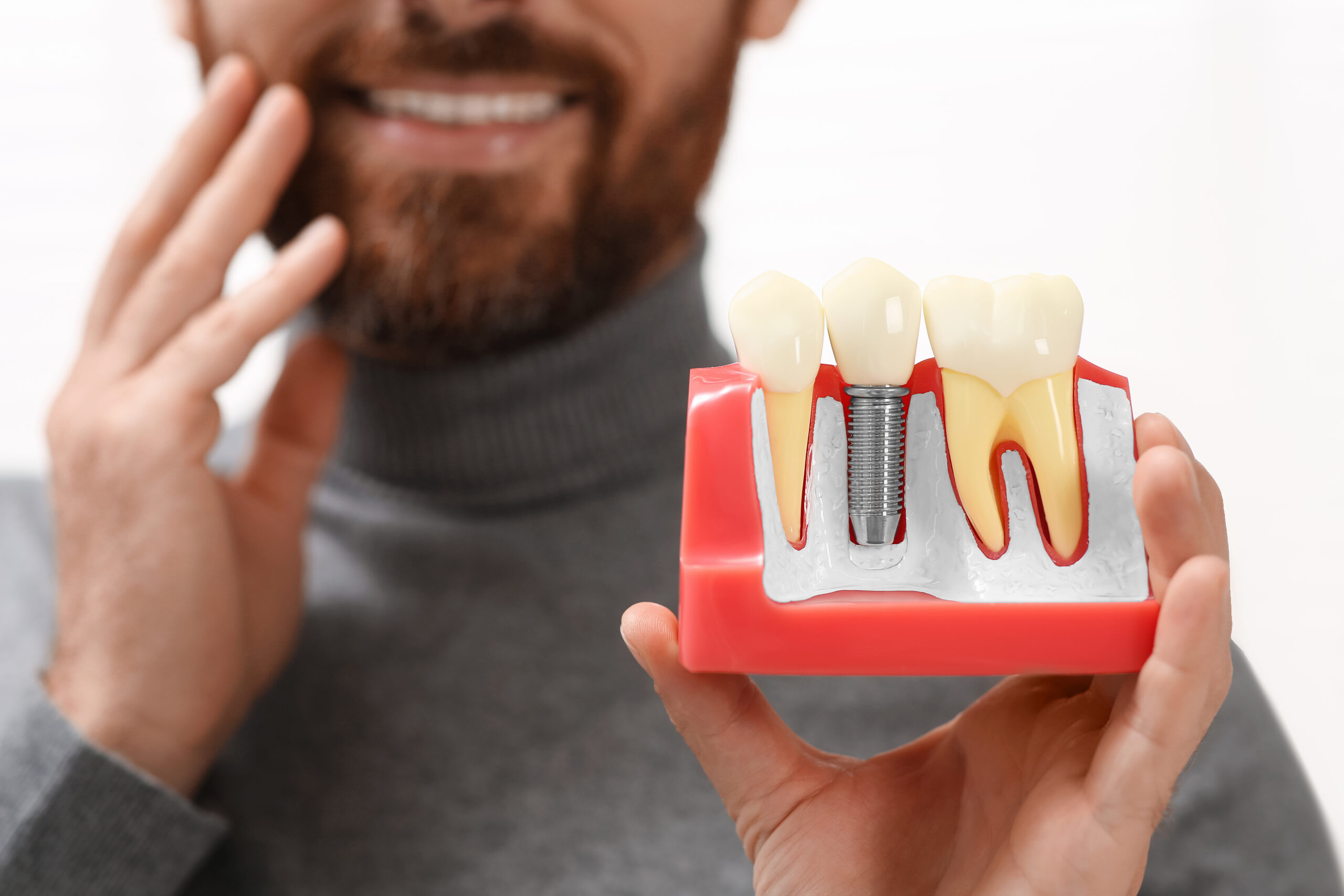
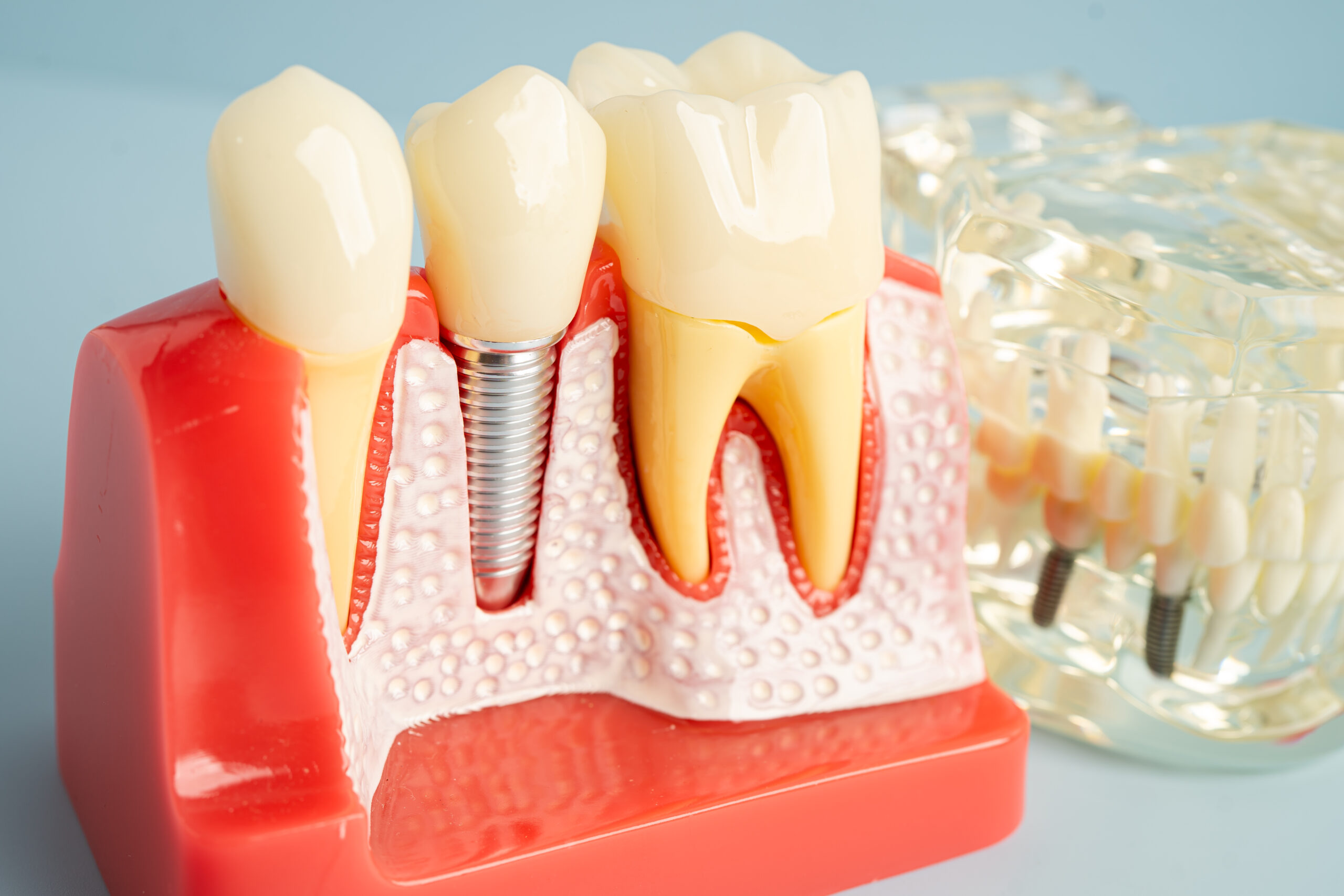
Modern restorative approaches, including implant-supported teeth, are designed to address both function and structure. An implant acts as an artificial root, reintroducing the stimulation the jawbone needs to stay healthy. This is why, for many patients, an implant-based solution is considered among the most effective ways to prevent the long-term consequences of tooth loss — not just cosmetically, but structurally.
That said, every patient’s situation is different. The right timing and the right approach depend on factors like how long a tooth has been missing, the current state of the surrounding bone, and the patient’s overall health and priorities. A thorough evaluation is always the starting point.
Thinking About Your Options?
If you have been living with a missing tooth and are ready to understand what your options look like, the team at Harborcreek Dental welcomes that conversation. There is no pressure, and no assumption that any particular path is the right one until your individual situation has been carefully evaluated.
Patients across Erie and the surrounding communities — including Harborcreek, Millcreek, and Lawrence Park — are welcome to schedule a consultation at a time that works for them. An evaluation can help clarify what may have changed since the tooth was lost, what treatment could involve, and how timing may affect the surrounding teeth and jawbone.
If you would like to discuss your situation with a dentist, you can request a consultation with the Harborcreek Dental team and choose a time that fits comfortably into your schedule.
Frequently Asked Questions
Is it really a problem to leave a missing tooth untreated?
Yes. Even if the area feels comfortable, the jawbone can begin losing density and nearby teeth may slowly shift toward the empty space. Over time, this can affect bite balance and the health of surrounding teeth.
How soon should a missing tooth be replaced?
Many dentists recommend evaluating replacement within the first several months after tooth loss. Earlier treatment often helps preserve bone and prevent nearby teeth from drifting.
Can bone loss happen even when the missing tooth is not visible?
Yes. Bone loss occurs beneath the gums when the jawbone no longer receives stimulation from a tooth root. This process can happen regardless of where the missing tooth was located.
Are implants the only way to replace a missing tooth?
No. Bridges and removable partial dentures are also possible solutions. The best option depends on factors such as bone health, neighboring teeth, and personal preferences.
What if several years have passed since losing a tooth?
Replacement may still be possible. However, bone loss or tooth movement may influence the treatment approach, and additional preparation may sometimes be recommended.