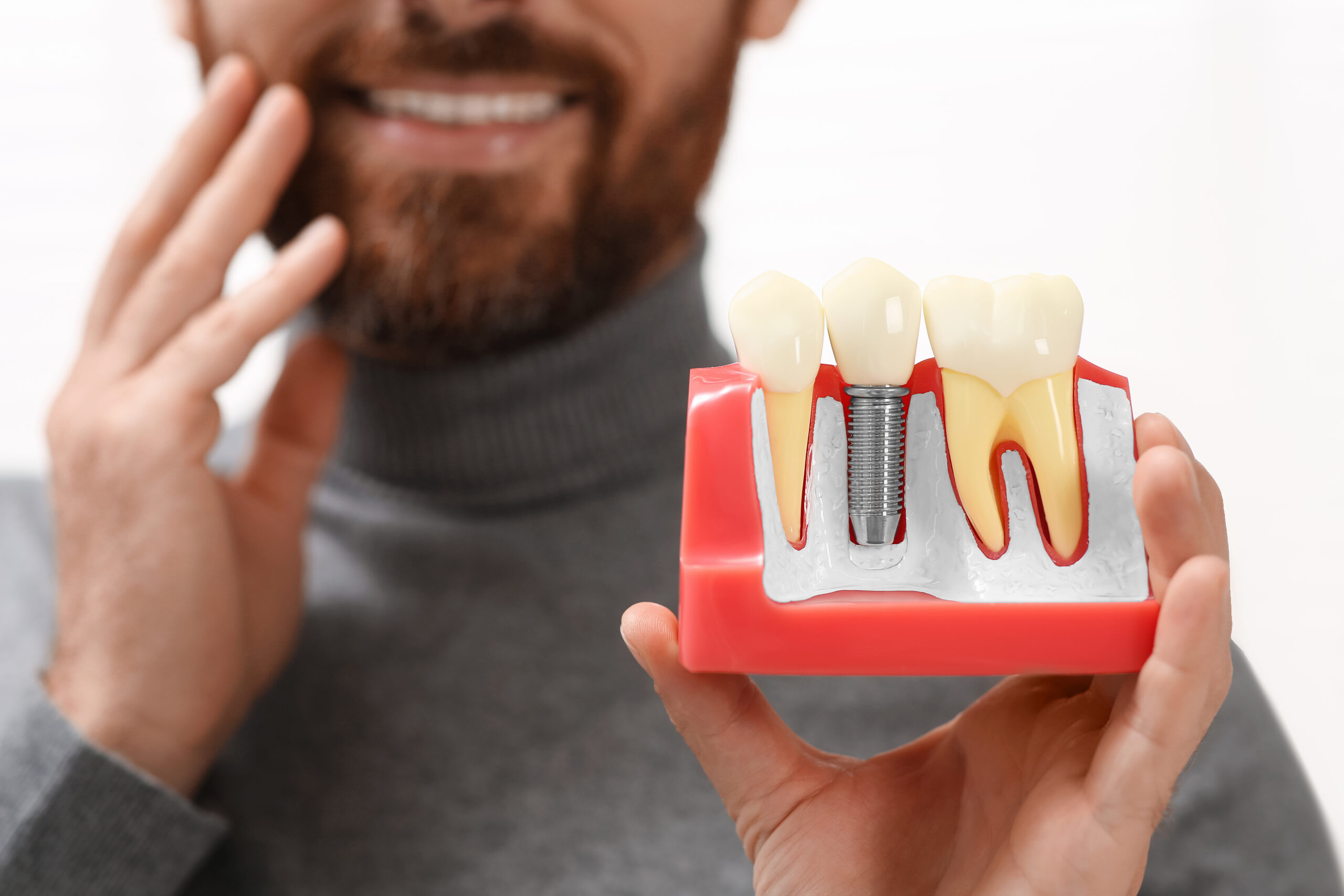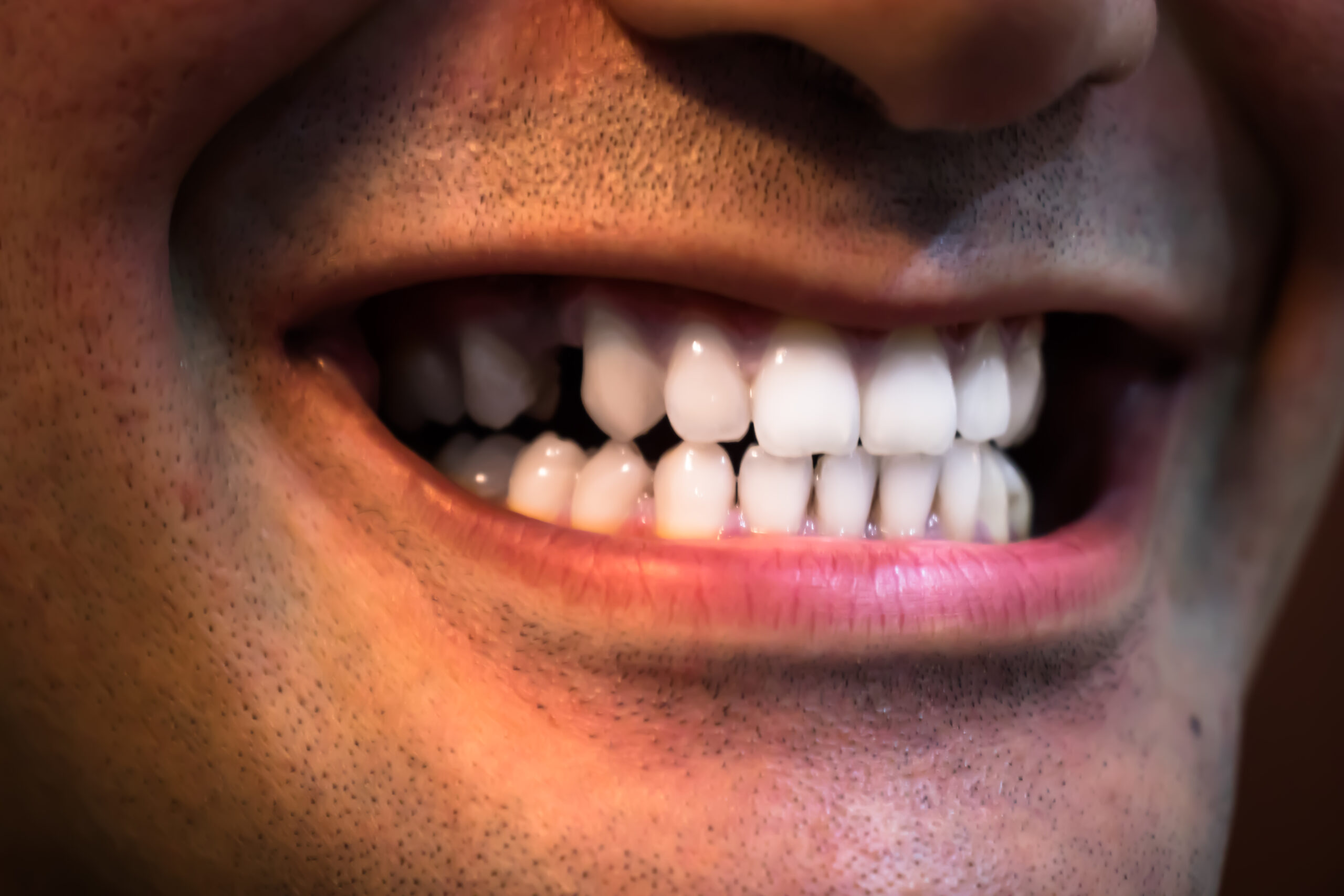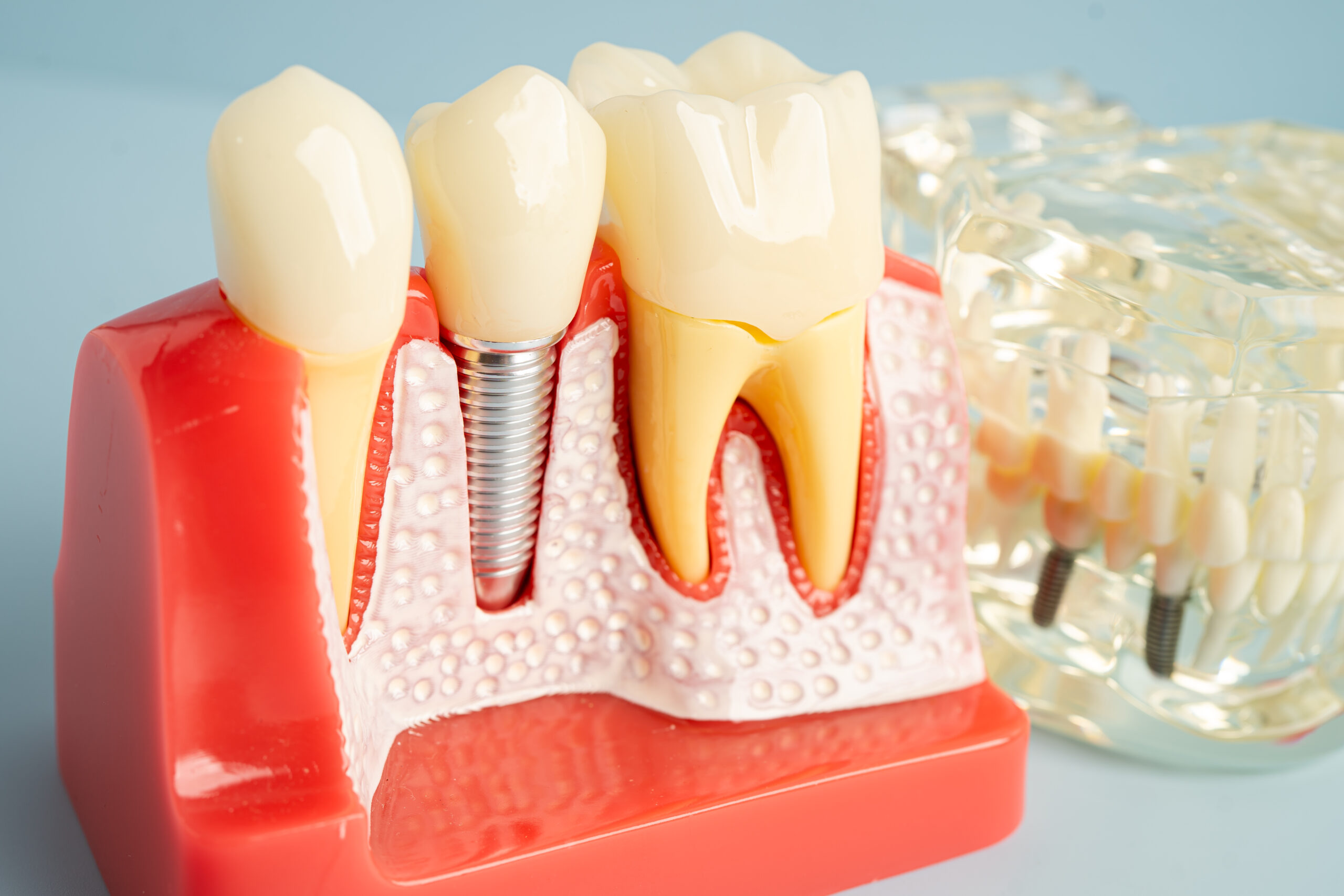


Dental implants are a reliable, long-term solution for replacing missing teeth, helping restore comfort, confidence, and everyday function. While they are designed to be durable, long-term success depends on how well they are cared for after placement. Many patients assume implant-supported teeth require little attention, but daily habits and professional monitoring play an important role in keeping them healthy over time.
For individuals and families in Erie, maintaining dental implants is especially important for supporting busy routines, active lifestyles, and overall oral health as the years go by.
Dentist Insight from Dr. Kevin Sambuchino

Dr. Kevin Sambuchino explains that implant-supported teeth function most successfully when patients care for them with the same consistency as natural teeth. While the replacement tooth itself cannot develop cavities, the surrounding gums and bone must remain healthy to provide long-term support. Regular oral hygiene and routine dental visits help reduce inflammation, protect the foundation of the implant, and promote lasting stability.
For patients in the Erie community, implant treatment tends to perform best when daily home care is combined with regular dental visits that allow the gums and supporting bone to be monitored over time.
Why Proper Implant Care Matters
Implant treatment replaces the entire tooth structure, including the root, allowing replacement teeth to function much like natural ones. However, these restorations rely on healthy gum tissue and jawbone support. Without proper care, plaque buildup around the implant site can lead to gum inflammation and gradual bone loss.
Good implant care helps:
- Maintain healthy gums
- Support strong jawbone structure
- Reduce the risk of infection
- Extend the lifespan of the restoration
Taking preventive steps early can help avoid complications later.
Daily Oral Hygiene for Implant-Supported Teeth
A consistent oral hygiene routine is the foundation of long-term implant maintenance. Patients with implant-supported teeth should:
- Brush twice daily using a soft-bristled toothbrush
- Floss at least once a day, paying close attention to the gumline
- Gently clean around implant areas after meals
- Follow any personalized care recommendations from their dentist
Although the replacement tooth cannot decay, bacteria can still accumulate around the surrounding tissues, making daily cleaning essential for gum health.
Foods and Habits That Can Affect Implant Health
Certain habits may place unnecessary stress on implant-supported restorations and surrounding tissue. Patients are encouraged to avoid:
- Chewing ice or hard objects
- Using teeth to open packaging
- Excessive clenching or grinding
- Poor dietary habits that encourage plaque buildup
Being mindful of chewing habits and maintaining a balanced diet supports long-term implant success.
The Role of Routine Dental Visits
Regular dental check-ups allow your dentist to monitor implant health and identify concerns early. During these visits, your dentist may:
- Evaluate stability and function
- Assess gum and bone health
- Remove plaque and buildup in hard-to-reach areas
- Address minor concerns before they progress
Most patients benefit from professional evaluations every six months to ensure implant-supported teeth remain comfortable and functional.
Long-Term Expectations
With proper care and ongoing dental monitoring, implant-supported restorations can last for many years. Normal wear, changes in oral health, and daily use make continued professional oversight important. Staying proactive helps protect your smile and maintain overall oral function.
When to Schedule an Evaluation
If you notice persistent discomfort, swelling, or changes around an implant area, it’s important to schedule a dental evaluation. Early assessment supports long-term success and helps prevent complications. Ongoing monitoring also allows potential concerns to be addressed before they affect overall oral health.
If you have questions about caring for dental implants or notice changes that concern you, visiting a trusted local dental office in Erie for an evaluation can help ensure everything remains on track.
Frequently Asked Questions
Can implant-supported teeth develop problems over time?
The replacement tooth does not decay, but the surrounding gums can become inflamed without proper care.
Is caring for implant-supported teeth different from caring for natural teeth?
Care is very similar but requires extra attention to the gumline and consistent cleaning.
How long do implant-supported restorations typically last?
With good oral hygiene and regular dental visits, they can last for many years.
Can I eat normally after implant treatment?
Once healing is complete, most patients can eat normally, though very hard foods should be avoided.
When should I contact my dentist about discomfort?
Any ongoing pain, swelling, or noticeable changes should be evaluated promptly.