
It’s one of the most common questions adults ask after losing a tooth. When you’ve invested time, money, and energy into restoring your smile, it’s natural to hope the solution is permanent. Dental implants are designed to be a long-lasting tooth replacement option. However, like any dental restoration, their longevity depends on proper care, overall health, and ongoing monitoring.
For patients considering dental implants in Erie, understanding what affects lifespan can help set realistic expectations. Many adults exploring implant dentistry want a solution that feels stable and functions naturally for years. If you would like to learn more about implant tooth replacement, reviewing how treatment is approached locally can provide helpful clarity before making a decision.
How Long Do Dental Implants Typically Last?
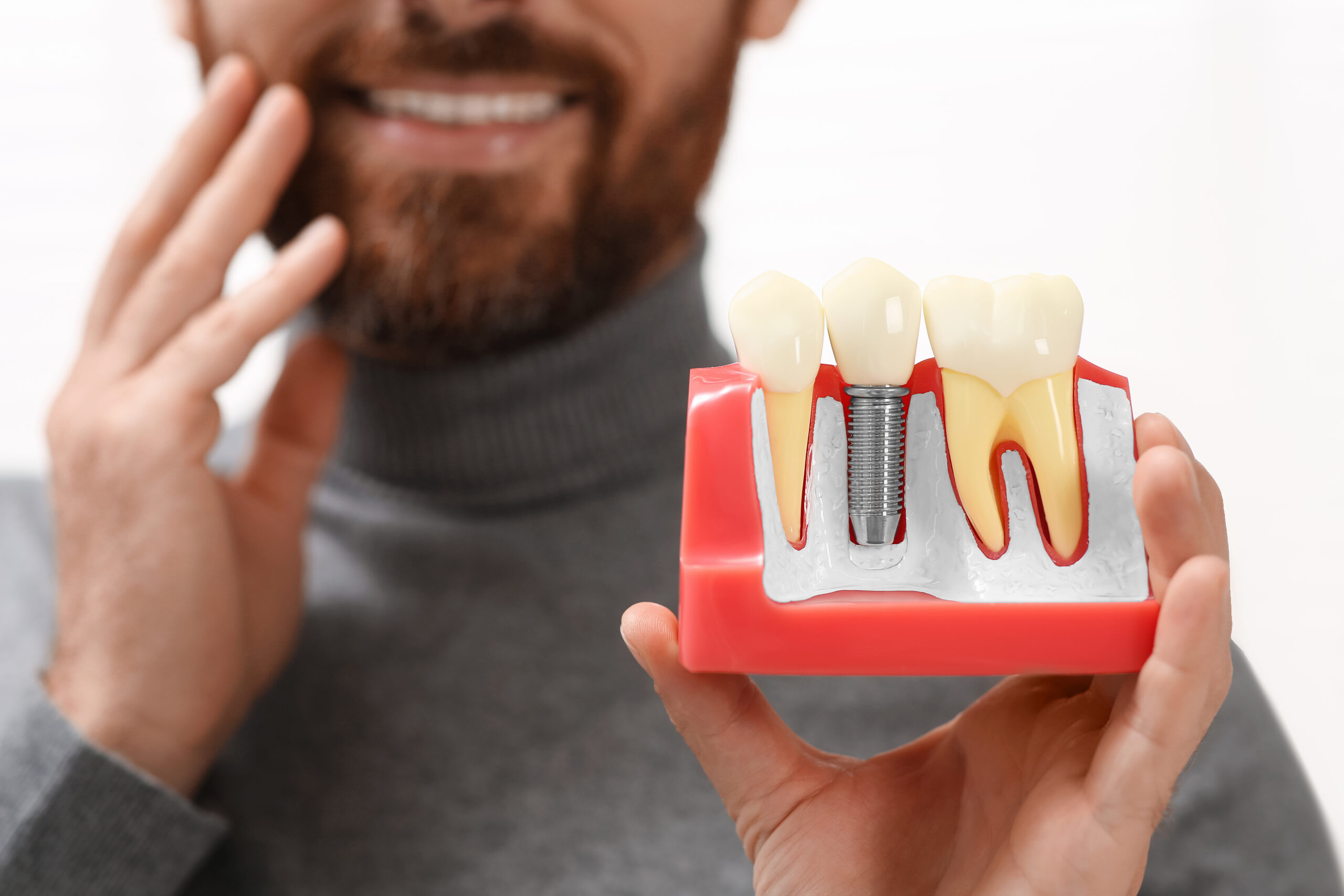
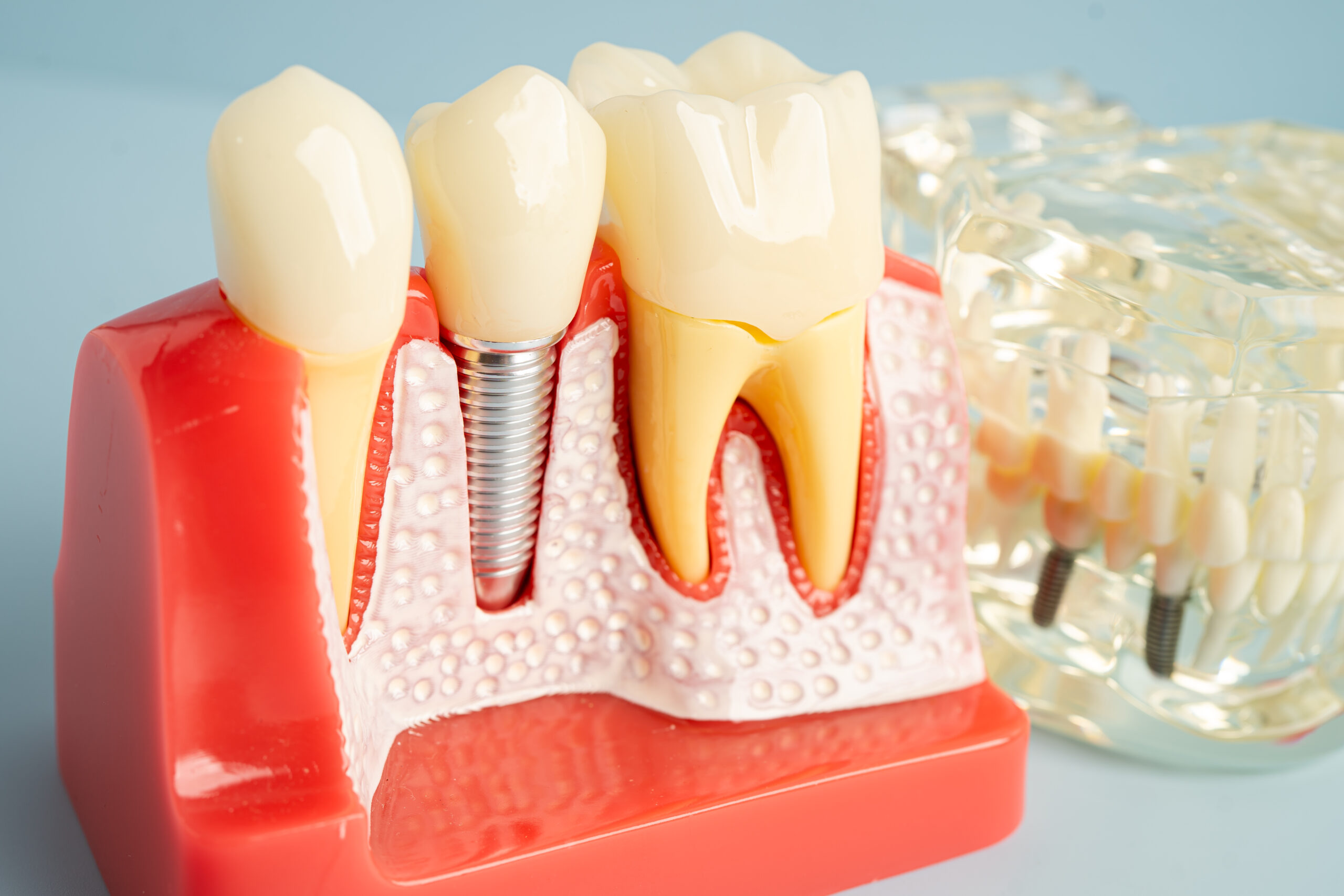
Dental implants are made of titanium and are placed into the jawbone, where they integrate with surrounding bone tissue through a process called osseointegration. This bond creates a strong and stable foundation.
It’s important to distinguish between two components:
- The implant post: The titanium root placed in the jaw. With healthy bone and gum support, this portion can last decades and, in many cases, a lifetime.
- The crown (the visible tooth): The custom restoration attached to the implant. Crowns may wear over time and often need replacement after 10–15 years, depending on bite forces and daily habits.
Long-term studies show high success rates for implant-supported restorations when patients maintain consistent oral hygiene and attend regular dental visits. For many adults in Erie, PA seeking dependable tooth replacement options, this long-term stability is one of the primary reasons implants are considered.
What Factors Affect the Longevity of Implants?
While implants are designed to be durable, several factors influence how long they last.
Bone Density
Strong, healthy bone provides the foundation for implant stability. Patients with adequate bone volume generally experience better long-term outcomes. In some cases, bone grafting may be needed to improve support before placement.
Gum Health
Healthy gums are essential. Just as natural teeth can develop gum disease, implants can be affected by inflammation around the surrounding tissues. Maintaining clean gum margins is critical.
Oral Hygiene
Daily brushing twice a day and flossing once a day remain essential. Even though implants cannot develop cavities, plaque buildup can lead to peri-implantitis, a condition similar to gum disease that may threaten stability.
Smoking
Tobacco use reduces blood flow and slows healing, increasing the risk of complications. Smoking is consistently linked to higher implant failure rates.
Medical Conditions
Conditions such as uncontrolled diabetes or immune disorders may affect healing and bone integration. Proper medical management improves outcomes.
Bite Forces and Grinding
Patients who grind their teeth or have heavy bite forces may place extra stress on the crown. In these cases, a night guard can help protect the restoration.
Adults throughout Erie who are investing in long-term oral health often benefit from individualized evaluations that consider these factors before treatment.
Can Dental Implants Fail?
Although success rates are high, implant failure can occur. Understanding the difference between early and late complications helps patients stay informed.
Early Complications
These typically occur within the first few months if the implant does not properly integrate with the bone. Infection, insufficient bone stability, or healing complications may contribute.
Late Complications
Peri-implantitis is the most common late concern. This inflammatory condition affects the gum and bone around the implant. Warning signs include:
- Bleeding gums around the implant
- Persistent swelling
- Gum recession
- Loosening of the restoration
Regular monitoring allows dental professionals to detect early signs of inflammation before significant damage occurs. For residents in Erie, PA who value preventative care, these routine evaluations are a key part of long-term success.
How to Help Your Implants Last as Long as Possible
Implants are not “set it and forget it” restorations. Long-term durability depends on daily habits and professional care.
Maintain Daily Hygiene
- Brush carefully along the gum line
- Floss around the implant using recommended techniques
- Consider adjunct tools if advised
Attend Professional Cleanings
Routine dental visits allow early detection of changes in gum health or bite alignment.
Protect Against Grinding
If you clench or grind your teeth, a night guard can reduce excess stress on the implant crown.
Support Overall Health
Managing systemic conditions, maintaining balanced nutrition, and avoiding tobacco all contribute to better outcomes.
Many working professionals and retirees in Erie choose implants because they want stability that supports active lifestyles. Consistency in care plays a central role in preserving that investment.
Are Implants the Most Long-Lasting Tooth Replacement Option?
Compared to traditional bridges or removable dentures, implant-supported restorations generally offer greater long-term stability. Bridges rely on adjacent teeth for support, which may require replacement over time. Dentures can shift or require periodic relining as bone levels change.
Because implants integrate with the jawbone, they help preserve bone structure and maintain facial contours. While no solution can be guaranteed to last forever, implants are widely regarded as one of the most durable tooth replacement options available in modern restorative dentistry.
A Thoughtful Next Step
If you are considering implant treatment or already have an implant and want to better understand its expected lifespan, a personalized evaluation can provide clarity. Long-term outcomes depend on bone health, bite dynamics, and daily habits.
Access to implant dentistry in Erie allows patients to receive individualized guidance based on their specific needs. If you would like to better understand your long-term outlook, consider scheduling a consultation and visiting our Erie office to discuss your goals and expectations in a calm, informed setting.
Frequently Asked Questions
1. How long do dental implants usually last?
The titanium implant post can last several decades and often a lifetime with proper care. The crown attached to it may need replacement after 10–15 years due to normal wear.
2. Can an implant last a lifetime?
In many cases, yes. When bone health, gum health, and oral hygiene are maintained, implants can remain stable for life. Ongoing monitoring is essential.
3. What causes dental implants to fail?
Common causes include infection (peri-implantitis), smoking, uncontrolled medical conditions, poor oral hygiene, or excessive bite forces.
4. How often should implants be checked?
Implants should be evaluated during routine dental visits, typically every six months, unless your provider recommends a different schedule.
5. Are implants stronger than natural teeth?
Implants are made from durable materials and are highly stable. However, they still require care and can be affected by gum disease or excessive force, just like natural teeth.