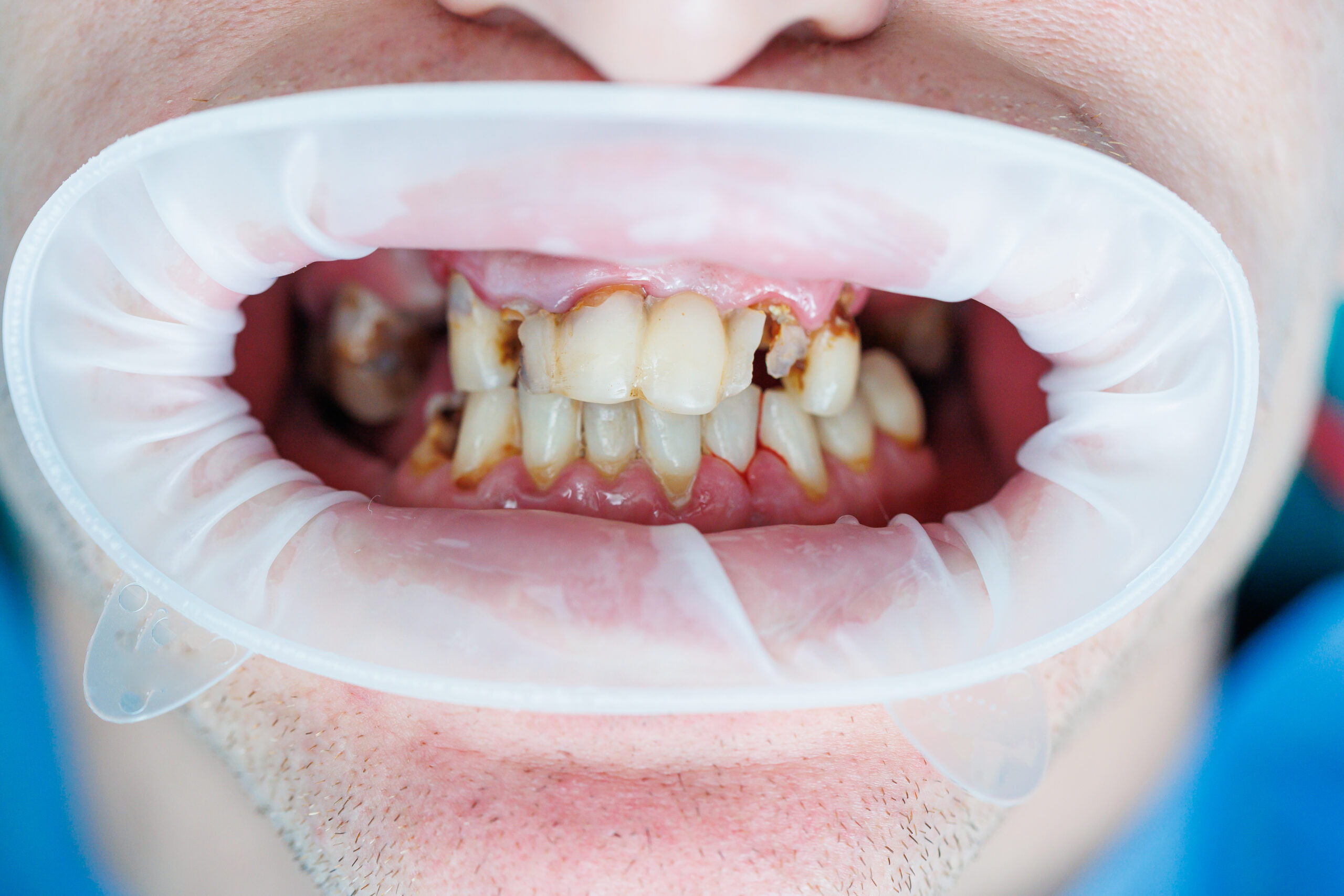

Discovering that a crown has loosened or completely detached from your tooth can be alarming. Whether you were enjoying dinner along the Bayfront or simply chewing morning toast at home, a dislodged caps leaves your underlying tooth structure exposed, vulnerable, and often sensitive to pressure and temperature changes. Knowing how to handle this unexpected situation promptly and calmly will protect your natural tooth and prevent further oral health complications.
At Harborcreek Dental, Dr. Kevin Sambuchino and our proficient clinical team provide prompt, compassionate emergency care and advanced restorative solutions to restore your smile without delay.
Immediate Steps to Take When a Crown Comes Off
When a restoration detaches, acting quickly helps prevent pain, infection, and damage to the underlying tooth. Knowing what to do if a crown falls out during your daily routine makes all the difference in preserving your tooth structure.
Store and Locate the Crown
Gently retrieve it from your mouth so you do not accidentally swallow or bite down on it. Inspect it carefully for any visible cracks, chips, or remaining fragments of your natural tooth structure. Rinse gently with warm water to remove debris, and store it securely in a clean container or small zip-top bag to bring to your appointment.
Inspect and Clean Your Tooth
Carefully rinse your mouth with warm salt water to cleanse the affected area and clear away trapped food particles. Examine the remaining tooth structure in a mirror. Avoid picking, brushing aggressively, or digging into the exposed site, as the underlying dentin or tissue can be sensitive.
Protect the Exposed Tooth
Exposed tooth tissue can react sharply to cold air, hot beverages, or sweet foods. If you experience discomfort or sharp edges, apply a small dab of over-the-counter temporary dental cement or clean dental wax over the top of the exposed tooth to shield it from harsh external stimuli.
Schedule an Emergency Dental Appointment
Contact a trusted local dental clinic as soon as possible. Professional intervention ensures that the exposed prep is evaluated for underlying decay, cleaned thoroughly, and properly protected or permanently re-cemented.
Why Do Dental Crowns Fall Out?
Understanding why restorations fail can help you safeguard your remaining dental work and avoid future emergencies. While modern tooth restorations are built for exceptional durability, several daily factors can compromise their bonding or physical integrity over time.
- Underlying Tooth Decay: Recurrent decay along the margin, where the restoration meets your natural tooth line, is a leading cause of loosening. When bacteria penetrate beneath the cap, they weaken the supporting natural tooth structure, compromising the fit.
- Degradation of Dental Cement: Over years of biting pressure, moisture exposure, and natural oral environment changes, the specialized dental cement holding your restoration in place can slowly wash out or degrade.
- Chewing Hard or Sticky Foods: Indulging in sticky candies, tough caramels, ice cubes, or hard nuts can create intense leverage, pulling or twisting it off its prepared post.
- Teeth Grinding and Clenching (Bruxism): Habitual nighttime clenching exerts immense pressure across your arch, which can fracture the porcelain or fracture the cement seal entirely.
- Trauma or Physical Injury: Sudden physical impact during sports, recreational activities along Lake Erie, or accidental falls can dislodge dental work instantly.
Reviewing these causes helps explain what to do if a crown falls out after years of wear, highlighting why immediate clinical evaluation is crucial.
What NOT to Do When Your Restoration Is Lost
When managing a dental mishap at home, taking the wrong steps can easily exacerbate tooth damage or cause severe soft tissue irritation. Keep these important warnings in mind until you reach our dental office:
Never Use Superglue or Household Adhesives
Under no circumstances should you attempt to reattach a restoration using industrial glues, craft adhesives, or fingernail glue. These chemical products contain toxic ingredients that irritate delicate oral tissues, destroy underlying tooth enamel, and prevent your dentist from clean re-cementation.
Avoid Forcing Back into Place
If the crown does not slip back over the tooth smoothly without force, do not press down hard. Forcing an ill-fitting restoration can chip your remaining tooth enamel, damage neighboring teeth, or injure your gum tissue.
Do Not Ignore the Exposed Tooth
Even if you are not experiencing severe pain, leaving an uncovered tooth prep exposed for extended periods allows oral bacteria to enter. This can lead to rapid tooth decay, nerve inflammation, or the need for root canal therapy. Understanding what to do if a crown falls out means prioritizing professional care even when discomfort seems mild.
How Dr. Kevin Sambuchino Restores Your Smile
When you visit our clinic for emergency care, Dr. Kevin Sambuchino conducts a thorough clinical examination and digital radiographic assessment to determine the healthiest course of action. Depending on the condition of your natural tooth and the detached restoration, treatment generally follows one of two paths:
Option A: Professional Re-Cementation
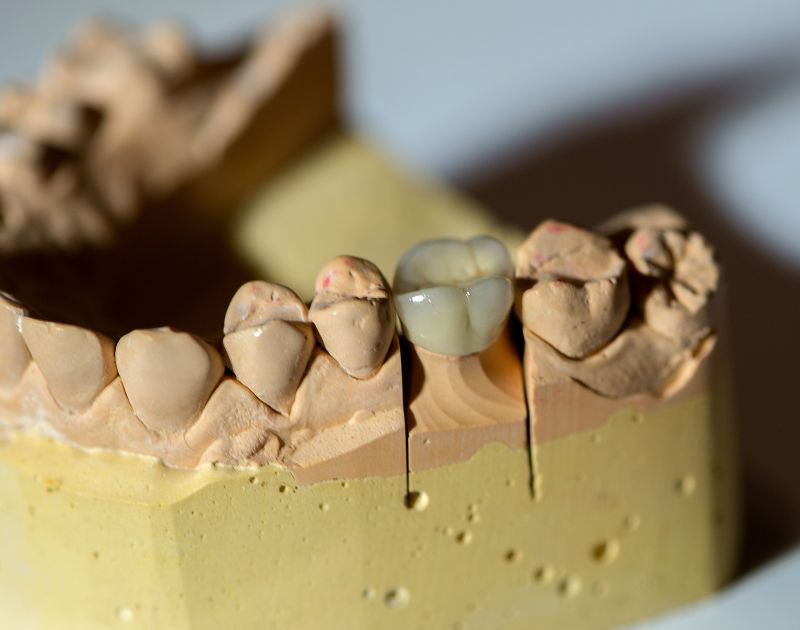
If your original restoration is in pristine condition and the underlying tooth remains fully intact without secondary decay, Dr. Sambuchino will clean the area, sanitize the prepared tooth, and permanently re-cement the crown back in place.
Option B: Advanced Same-Day CEREC Crown Replacement
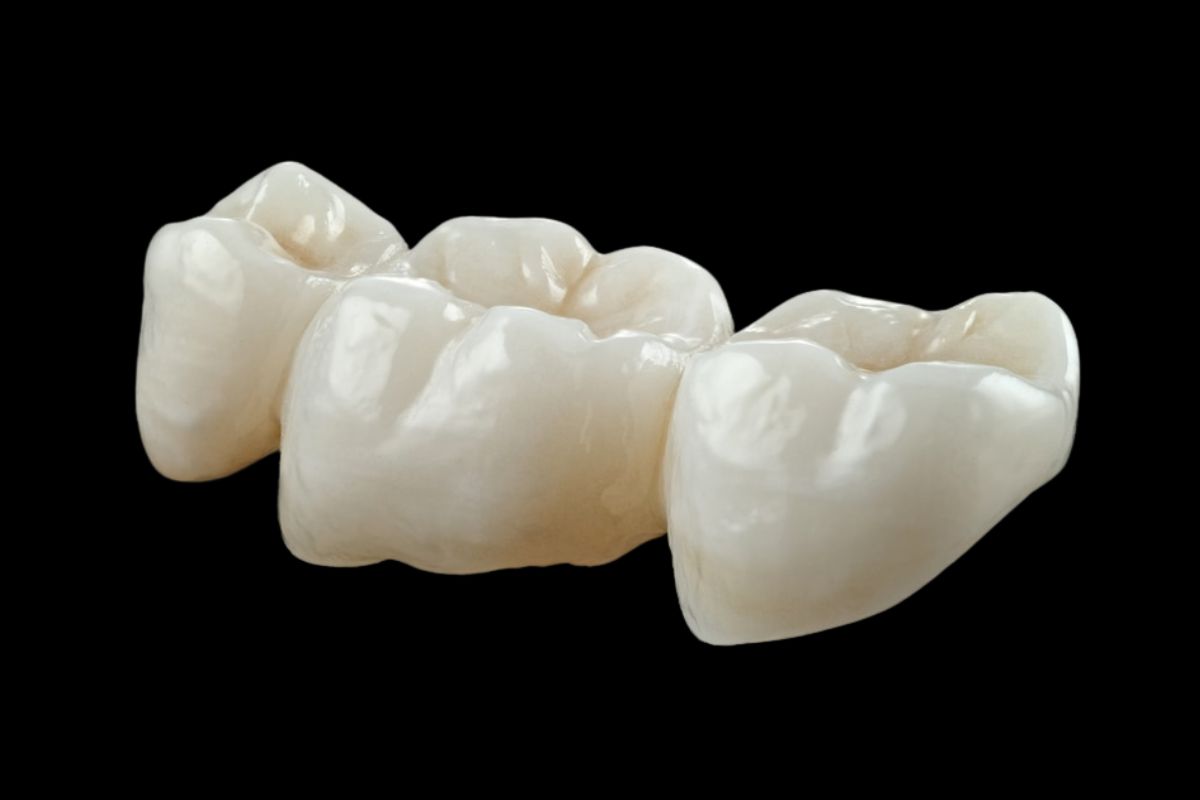
If the original cap is cracked, lost, or if secondary decay has altered the prepared tooth shape, a new custom restoration is required. Rather than making you endure weeks of wearing a temporary cap while waiting for an off-site laboratory, we offer state-of-the-art CAD/CAM technology.
By crafting a custom same-day dental crown right here in our office, we scan, design, mill, and place your permanent ceramic restoration during a single visit. This precise technology delivers superior structural strength, an exact color match, and immediate comfort without messy traditional impressions.
Preventing Future Crown Dislodgement
Taking proactive daily steps ensures your dental restorations remain functional, comfortable, and beautiful for many years. Knowing what to do if a crown falls out includes taking preventative measures to protect your investment:
- Maintain Consistent Oral Hygiene: Brush twice daily with a soft-bristled toothbrush and fluoride toothpaste. Pay extra attention to flossing along the gumline of crowned teeth to stop plaque buildup.
- Wear a Custom Nightguard: If you grind or clench your teeth while sleeping, ask our team about a custom-fitted nightguard to cushion your teeth against extreme bite forces.
- Avoid Chewing Non-Food Items: Refrain from biting fingernails, tearing open plastic packaging with your teeth, or chewing on ice cubes and hard pen caps.
- Schedule Regular Checkups in Erie: Biannual professional cleanings and examinations allow our clinical team to inspect the margins of your restorations early, identifying weakened cement before complete failure occurs.
Preserving Your Oral Health With Our Professional Care
Whether you live near the shores of Lake Erie, commute along Buffalo Road, or reside anywhere in Erie County, prompt dental care is essential when a restoration breaks loose. Prompt evaluation by an experienced dentist protects your natural tooth structure, prevents secondary infection, and eliminates unnecessary discomfort. Our dedicated team at Harborcreek Dental combines compassionate care with cutting-edge dental technology to get your smile back on track quickly and comfortably.
If you or a family member are dealing with a loose or lost crown, contact Harborcreek Dental today to schedule your emergency evaluation with Dr. Kevin Sambuchino.
Frequently Asked Questions
Is a fallen dental crown considered a dental emergency?
Yes, a fallen crown is a dental emergency. Exposed tooth structure is vulnerable to infection, rapid decay, and structural damage. Prompt evaluation ensures your tooth remains protected, relieves sensitivity, and allows for proper re-cementation or replacement.
Can I eat after my dental crown falls out?
You should avoid eating until you see a dentist. If necessary, chew on the opposite side of your mouth, choosing soft, non-sticky foods. Avoid hot, cold, or sugary foods, as the exposed tooth is sensitive to temperature and pressure.
How long can an exposed tooth survive without a crown?
An exposed tooth can become damaged or infected within days to weeks. Exposed dentin absorbs bacteria rapidly, leading to nerve inflammation or severe decay. Seeing your dentist within 24 to 48 hours is critical to preserving your tooth structure.
What should I do if I accidentally swallowed my dental crown?
Swallowed crowns usually pass naturally through the digestive tract without harm. However, if you experience breathing difficulty, chest pain, or coughing, seek emergency medical care immediately, as the crown may have entered your airway instead of your stomach.
Can a dentist reuse a crown that fell out?
A dentist can reuse a crown if it is fully intact and the underlying tooth is healthy. Your dentist will clean the crown, check its marginal fit, inspect for hidden decay, and permanently re-cement it back onto your tooth.
How much does it cost to fix a fallen dental crown in Erie, PA?
Re-cementing an intact crown is generally affordable, typically ranging between $100 and $300. However, if the underlying tooth requires decay removal or a replacement CEREC crown, overall costs will vary based on your specific insurance coverage and needs.
How does CEREC same-day crown technology work?
CEREC technology uses digital 3D optical scanning to capture accurate tooth impressions without messy trays. Computer-aided design software crafts your custom ceramic crown, which is milled on-site in minutes and permanently placed during a single dental appointment.