
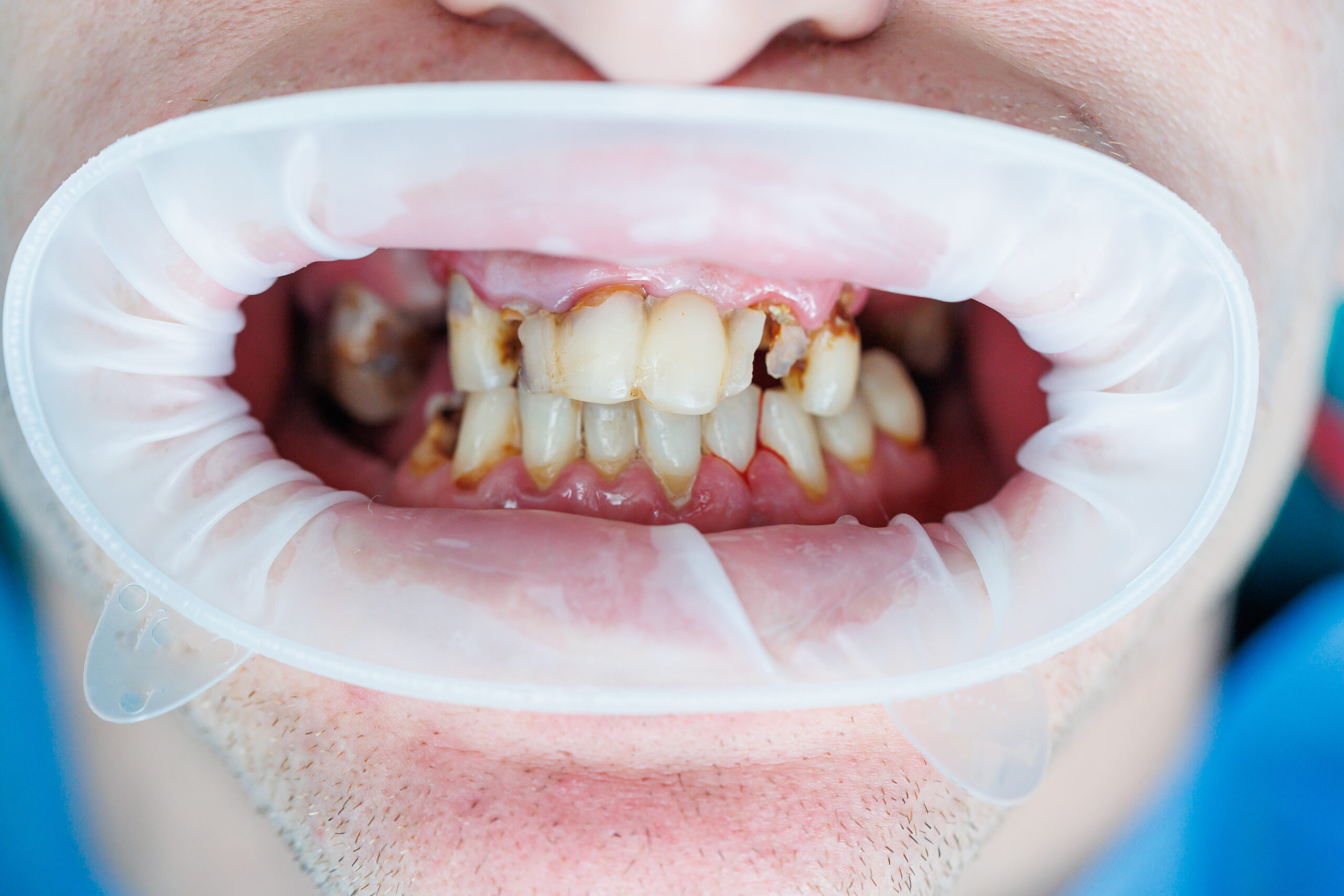
Many patients become concerned when a tooth breaks unexpectedly, develops a deep cavity, or begins causing pain after years of wear. A crack while eating, long-standing decay, or damage from grinding can make it seem like the tooth may be beyond repair. One of the most common questions dentists hear is whether a severely damaged tooth must be removed.
In many cases, the answer is no. Modern dentistry offers several restorative dental treatments designed to repair damaged teeth and restore their strength and function. For patients seeking advanced tooth restoration care in the Erie area, these treatments often make it possible to preserve the natural tooth rather than immediately considering extraction.
Understanding how dentists evaluate damage and which treatments may help can make the situation feel far less overwhelming.
What Does a Restorative Dentist Do?
Restorative dentistry focuses on repairing and rebuilding teeth that have been weakened by decay, trauma, or structural wear. The primary goal is to restore proper function so patients can chew comfortably, speak clearly, and maintain long-term oral health.
While cosmetic dentistry typically addresses aesthetic concerns such as tooth color or shape, restorative care focuses first on structural stability. However, restoring a tooth’s strength often improves its appearance naturally as well.
Patients who experience broken teeth, advanced cavities, or significant enamel wear may benefit from restorative-focused dental care. The emphasis is always on preserving natural teeth whenever possible and ensuring that repaired teeth remain functional for years to come.
How Dentists Evaluate a Severely Damaged Tooth
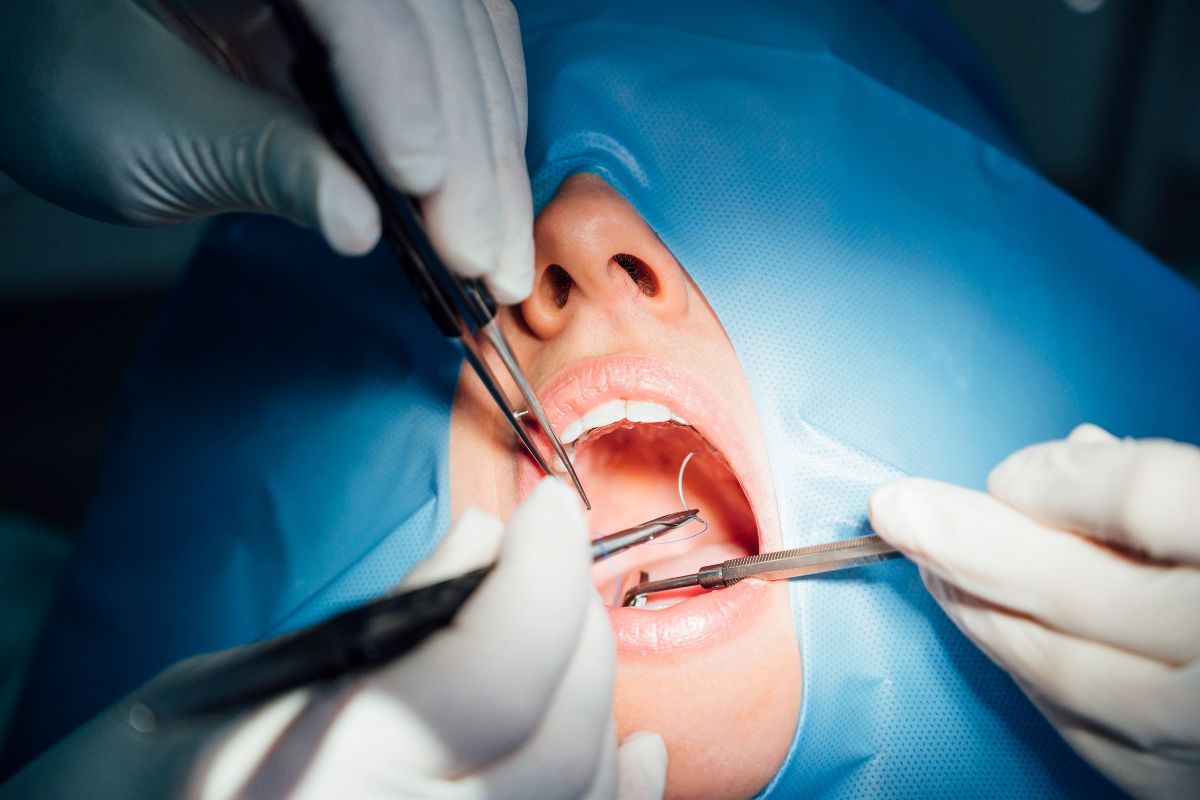
Before recommending treatment, dentists carefully examine the affected tooth and surrounding structures. This evaluation helps determine whether the tooth can be repaired and which approach would provide the best long-term outcome.
The assessment typically includes:
- A visual examination of the tooth and surrounding gums
- Digital X-rays to evaluate internal structures
- Checking how much healthy tooth structure remains
- Assessing bite pressure and neighboring teeth
These steps allow the dentist to determine whether the tooth can be restored safely and effectively. In most situations, the goal is to preserve the natural tooth whenever the remaining structure and supporting tissues allow it.
Dental Crowns for Structural Protection
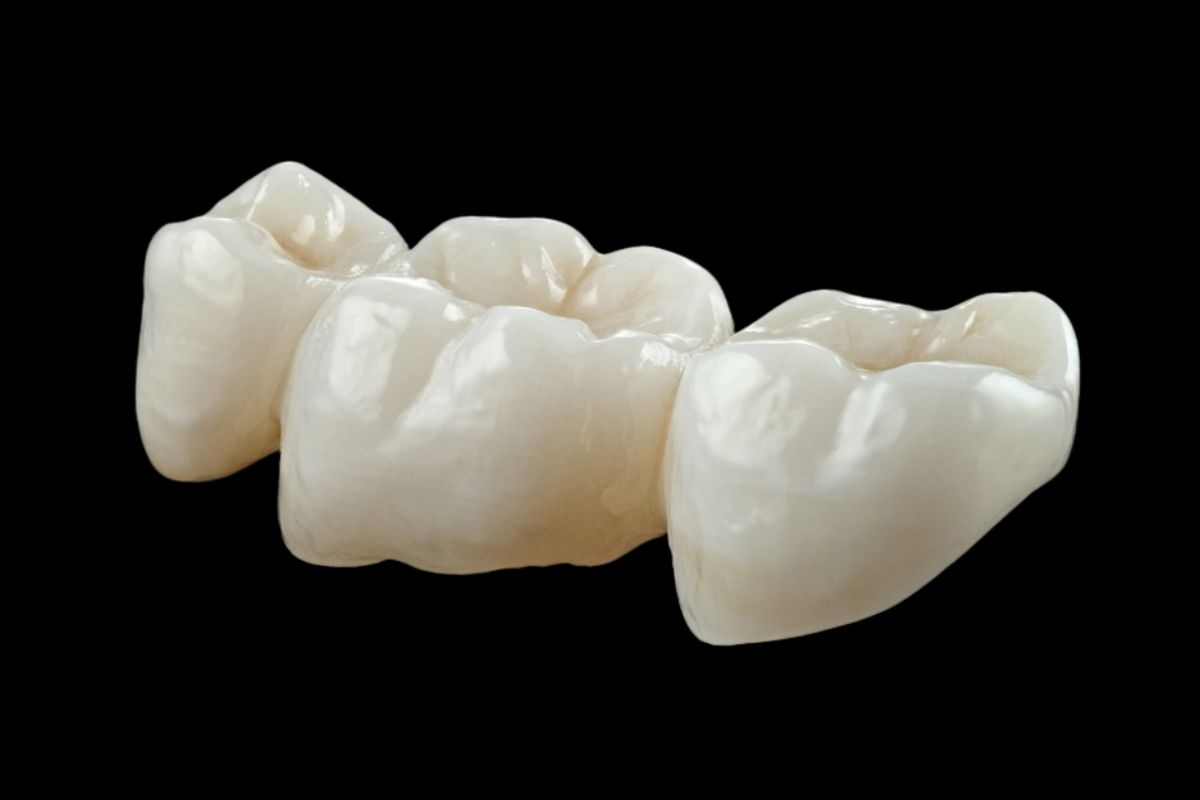
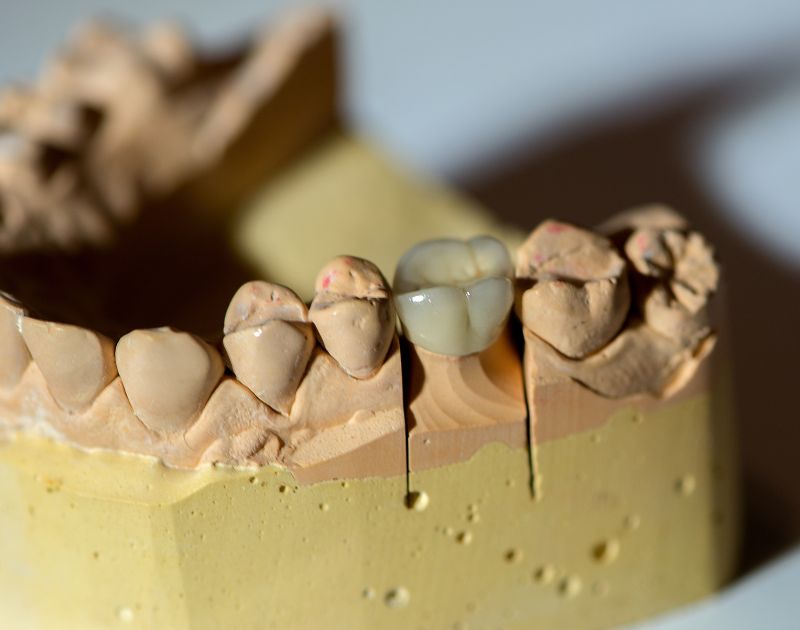
Dental crowns are one of the most common solutions for teeth that have experienced significant damage. A crown acts as a protective covering placed over the remaining portion of the tooth.
Crowns are often recommended when a tooth is:
- Cracked or fractured
- Severely worn down
- Weakened by large fillings
- Structurally compromised after treatment
Once placed, a crown restores the tooth’s strength and allows patients to chew comfortably again. In many practices today, modern technology such as CEREC systems allows for same-day crown placement in certain cases, making the process more convenient.
Root Canal Therapy for Infected Teeth
If decay or trauma reaches the inner pulp of the tooth, infection can develop. In the past, these teeth were often removed. Today, root canal therapy frequently allows dentists to save them.
During a root canal procedure, the infected tissue inside the tooth is carefully removed and the inner space is sealed to prevent further infection. Afterward, a crown is typically placed to reinforce the tooth’s structure.
This approach allows the natural tooth to remain in place while eliminating the source of pain and infection.
Inlays and Onlays for Moderate Damage
When a tooth has moderate structural damage but does not require a full crown, dentists may recommend an inlay or onlay.
These restorations are custom-designed to fit precisely within or over the damaged area of the tooth. They provide greater strength than traditional fillings while preserving more of the healthy tooth structure.
Inlays and onlays can be a particularly effective solution for teeth that have developed larger cavities or moderate fractures but still maintain strong surrounding enamel.
Dental Implants When a Tooth Cannot Be Saved
Although dentists prioritize preserving natural teeth whenever possible, there are situations where a tooth may be too damaged to repair. Severe fractures below the gum line or extensive structural loss can sometimes make restoration impossible.
When this occurs, replacement options such as dental implants or bridges may be recommended. These treatments help restore both the appearance of the smile and the ability to chew comfortably.
Even in these cases, the treatment planning process typically begins with exploring whether the natural tooth can be preserved before moving toward replacement solutions.
How Restorative Dentists Decide Whether a Tooth Can Be Saved
Determining whether a tooth can be restored involves several clinical considerations. Dentists evaluate the overall condition of the tooth as well as the surrounding oral structures.
Important factors include:
- The amount of healthy tooth structure remaining
- Whether infection has spread into surrounding tissues
- The strength and integrity of the tooth’s root
- Gum health and bone support around the tooth
- Bite pressure and habits such as grinding
These elements help guide treatment planning. The goal is always to provide a solution that supports long-term stability, protects surrounding teeth, and preserves natural function whenever possible.
For many people balancing busy workdays, family schedules, and everyday routines around Lake Erie, maintaining reliable oral function is an important part of overall well-being.
When to Talk With a Dentist About a Damaged Tooth
If you notice a tooth that feels cracked, painful, or unusually sensitive, it can be helpful to discuss the issue with a dental professional before the damage worsens.
Patients who are concerned about a weakened or injured tooth may benefit from speaking with a dentist about possible treatment options. Understanding whether a tooth can be repaired early often makes treatment simpler and more predictable.
If you would like to explore your options and receive personalized guidance, you can visit our dental office in Erie to speak with our team and learn whether restoring the tooth is possible.
FAQs
Can a severely cracked tooth be repaired?
In many cases, yes. Depending on the extent of the crack, dentists may use crowns, bonding, or other restorative solutions to reinforce the tooth and restore its function.
Is a crown always needed after a root canal?
Not always, but crowns are commonly recommended for back teeth after root canal therapy. They help protect the treated tooth from fracture and restore normal chewing strength.
How do dentists decide whether to save or remove a tooth?
Dentists evaluate the remaining tooth structure, root health, presence of infection, and the stability of surrounding bone and gums before determining whether restoration is possible.
Are restorative treatments painful?
Most restorative procedures are performed with local anesthesia to keep patients comfortable. Many people report that modern treatments are far more comfortable than they expected.
How long do restorative dental treatments last?
Longevity depends on the specific treatment and oral hygiene habits. Crowns, inlays, and similar restorations often last many years when properly cared for and maintained through regular dental visits.