
Dental crowns play an essential role in restoring damaged or weakened teeth. They not only protect the tooth underneath but also help maintain your bite and smile. However, like any dental restoration, a crown doesn’t last forever. Over time, normal wear and tear—or even small changes in your mouth—can signal that it’s time for a replacement.
Knowing what to look for can help you avoid bigger dental problems down the road. Let’s take a closer look at how long dental crowns last and the signs that it may be time to see your dentist for a new one.
Understanding How Long a Dental Crown Lasts
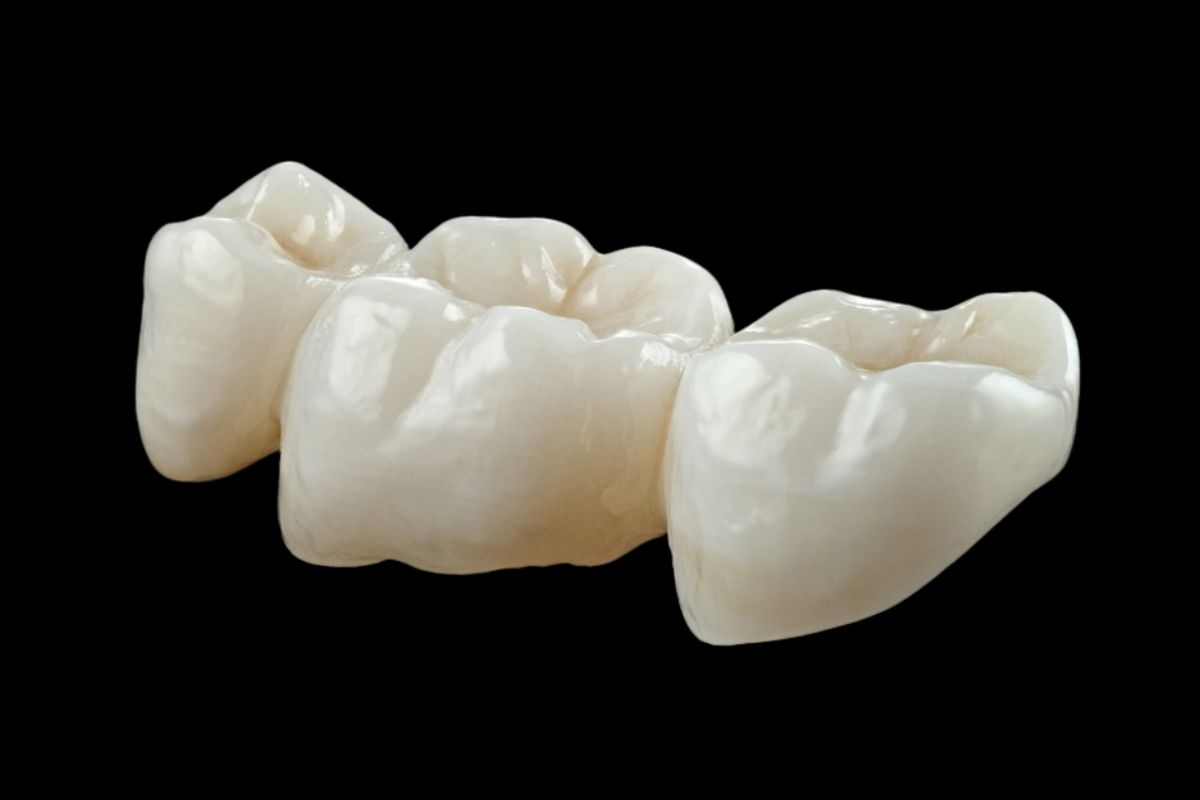
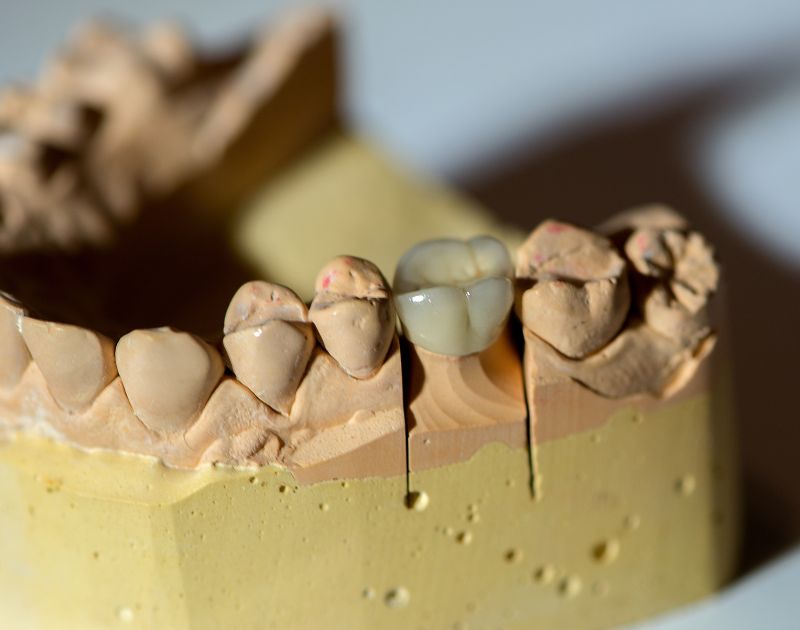
A well-made dental crown can last anywhere from 10 to 15 years, sometimes even longer with proper care. The lifespan of a crown depends on factors such as the crown’s material (porcelain, metal, or ceramic), your oral hygiene habits, and the amount of pressure your teeth experience when biting or grinding.
Even the most durable crowns eventually wear out. Recognizing the early signs of deterioration can help protect the tooth underneath and prevent the need for more extensive dental work in the future.
Common Signs That Your Dental Crown Needs to Be Replaced
1. Pain or Sensitivity Around the Crown
If you notice pain when biting or sensitivity to hot or cold foods, it may indicate that the crown no longer fits properly or that decay has developed beneath it. This is one of the most common early signs that your dental crown needs attention.
2. Visible Wear or Damage
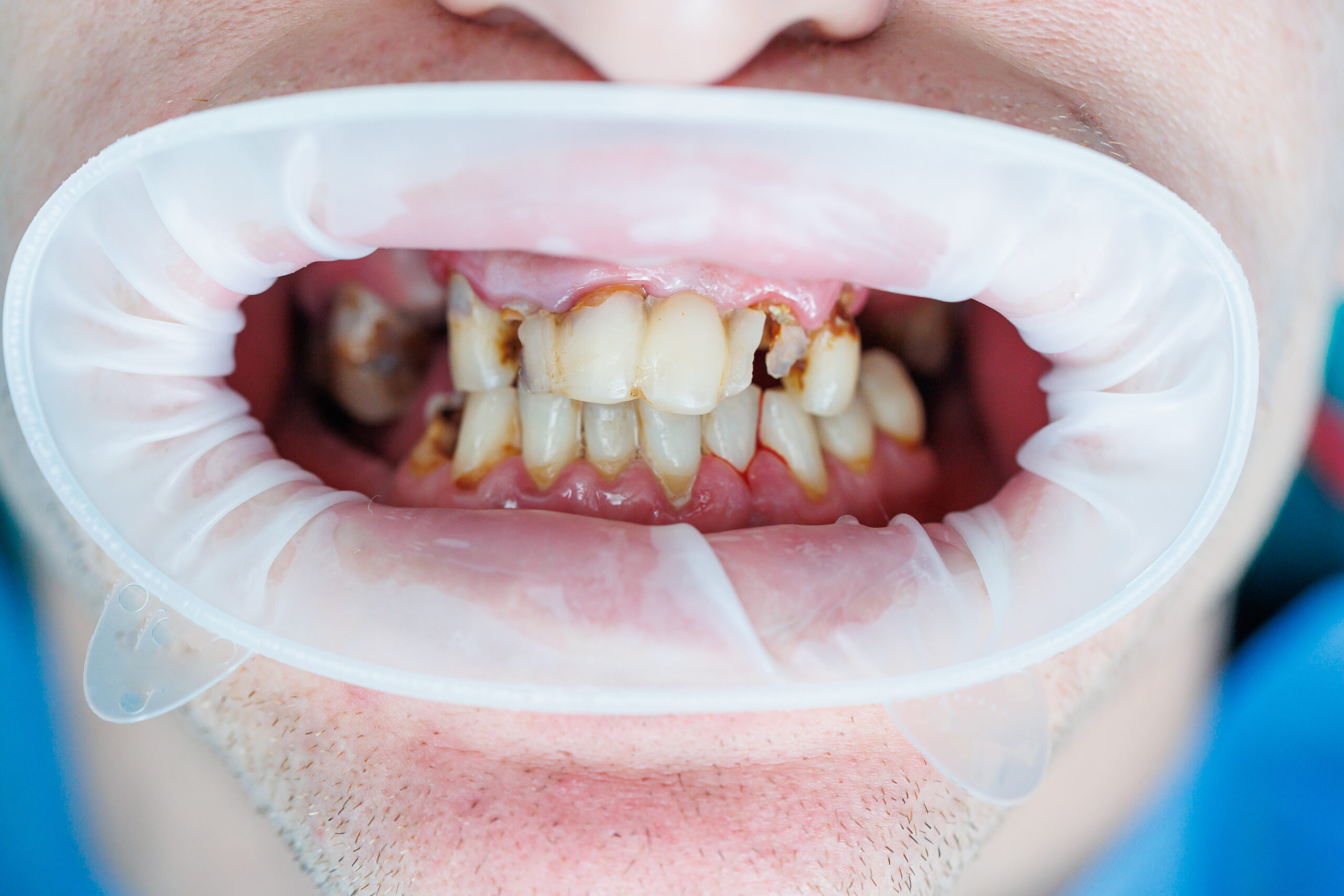
Crowns can chip, crack, or become rough over time, especially if you chew hard foods or grind your teeth. Visible damage weakens the crown’s protective seal, making the tooth vulnerable to further problems.
3. Receding Gums or a Dark Line Near the Gumline
A dark line or gap near the gums often signals that the crown’s edge has become exposed. This may be due to gum recession or an aging crown that no longer fits snugly on the tooth, allowing bacteria to enter.
4. Looseness or Movement of the Crown
If your crown feels loose or shifts when you chew, the dental cement holding it in place has likely worn away. A loose crown can lead to infection or even cause the crown to fall out.
5. Changes in Your Bite or Chewing Comfort
An uneven bite or discomfort while chewing can mean the crown has worn down or shifted. Ignoring this issue can lead to jaw pain or further tooth damage over time.
What Happens If You Don’t Replace a Worn Crown?
Delaying replacement may lead to serious issues. Bacteria can slip underneath a worn or loose crown, causing decay, infection, or damage to the underlying tooth. In some cases, neglecting a failing crown could result in the need for a root canal or extraction. Acting early can help preserve your natural tooth and prevent more complex treatments.
How Does Your Dentist Determine If a Replacement Is Needed?
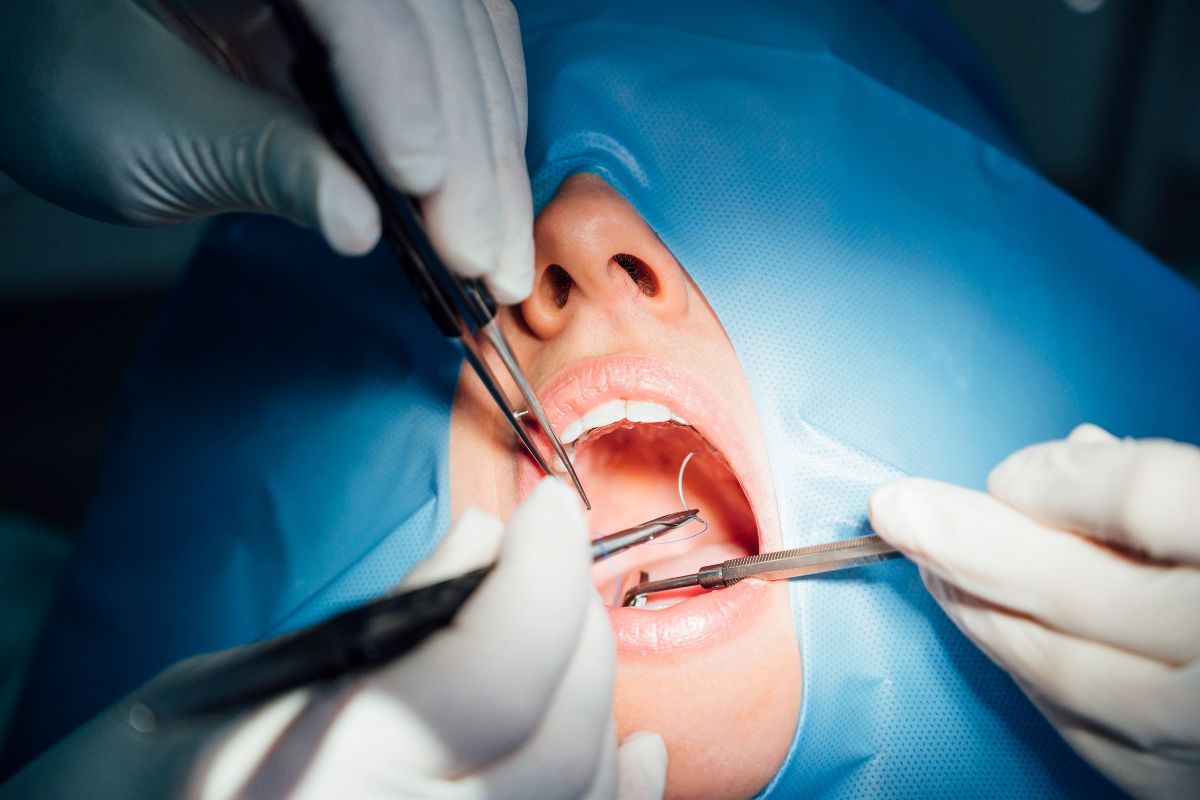
Your dentist will assess the crown’s condition through a visual exam and digital X-rays. They’ll check the crown’s margins, bite alignment, and any signs of decay beneath the surface. If a replacement is needed, your dentist will recommend a new crown designed to restore both comfort and function.
How to Care for Your New Dental Crown?
To make your new dental crown last, practice good daily habits:
- Brush and floss regularly, especially around the edges of the crown.
- Avoid chewing ice or using your teeth to open packages.
- Wear a nightguard if you grind your teeth.
- Schedule routine dental visits to monitor your crown’s condition.
Proper care helps extend the life of your restoration and keeps your smile healthy for years to come.
Keep Your Smile Strong with a Healthy Dental Crown – Visit Harborcreek Dental
If you’ve noticed discomfort, looseness, or other changes with your dental crown, don’t wait for the problem to worsen. The caring team at Harborcreek Dental is here to assess the condition of your crown and provide the right solution for your needs.
Request an appointment today to maintain a strong and healthy smile for years to come.