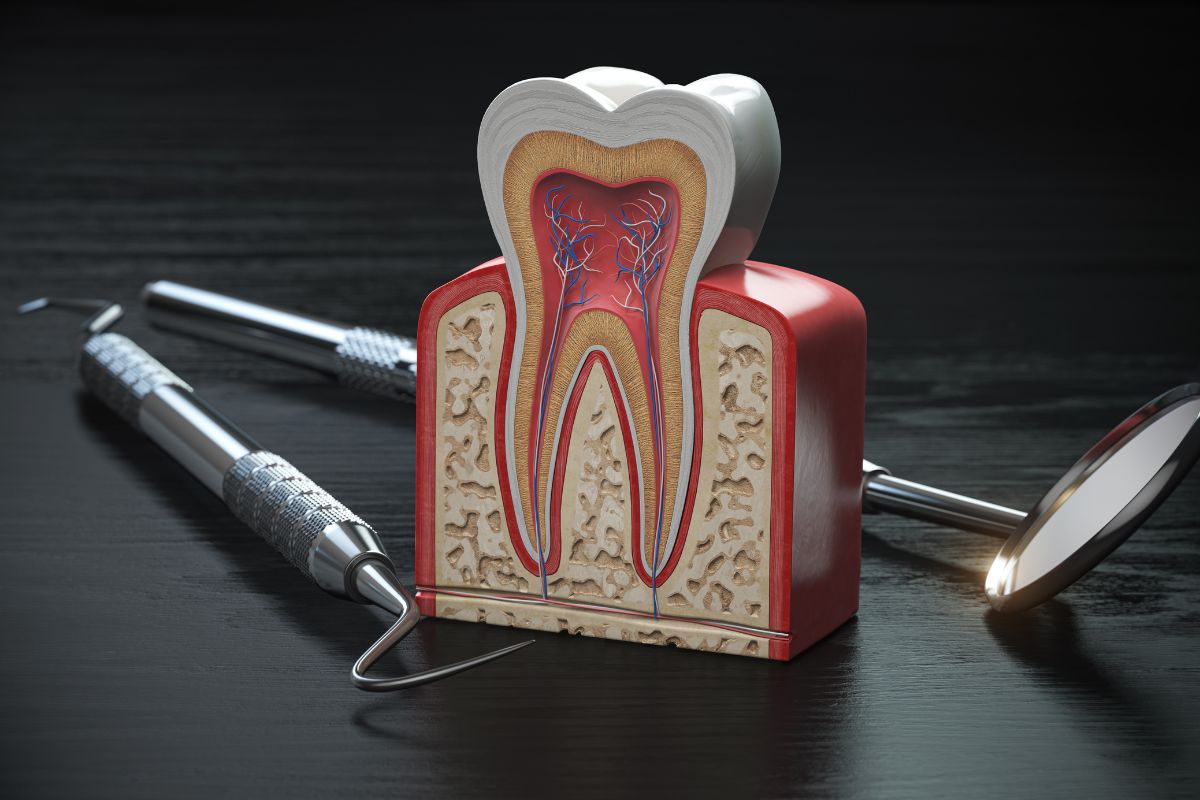


A root canal is meant to relieve dental pain, not cause it, but what if your tooth still hurts after the procedure? You might be concerned about lingering discomfort if you recently had root canal therapy. While some soreness is normal, knowing what pain level is expected and when it might signal a problem is essential.
Here’s what you should know about post-root canal pain, why it happens, and when to seek help.
What to Expect After a Root Canal?
Root canal therapy removes infected or inflamed pulp from the inside of a tooth. After the cleaning and disinfection, the space is filled and sealed, and a crown is often placed for protection. Despite being a standard and generally safe procedure, some discomfort afterward is typical, especially in the first few days.
Mild pain or sensitivity usually results from inflammation in the surrounding tissues. This can happen even though the nerve inside the tooth has been removed. The body needs time to heal, and the tissues around the root may still recover from infection or irritation caused during the procedure.
Common Causes of Pain After a Root Canal
1. Inflammation in the Surrounding Area
It’s normal for the tissues around the tooth to feel sore. During the procedure, your dentist works close to sensitive ligaments and bone, which can become inflamed. This inflammation typically resolves within a week.
2. Temporary Filling or Crown Issues
If a temporary filling or crown is too high or not correctly fitted, it may alter your bite and cause pain when chewing. A simple adjustment by your dentist can often resolve this issue quickly.
3. Residual Infection
Sometimes, a small portion of infected tissue remains or the tooth becomes re-infected. While rare, this can lead to continued pain and may require additional treatment or retreatment of the root canal.
4. Cracks or Fractures in the Tooth
If your tooth was severely decayed or damaged before the procedure, it may already have cracks that weren’t visible at first. These cracks can worsen over time and lead to discomfort even after the root canal.
5. Sinus Pressure
For upper teeth, the roots can be close to the sinus cavity. A root canal in these teeth can cause discomfort that mimics sinus pressure or headaches, especially during seasonal allergies or changes in barometric pressure.
How Long Should the Pain Last?
In most cases, discomfort fades within a few days. Over-the-counter medications like ibuprofen can help manage minor pain. However, you should contact your dentist if you’re experiencing severe pain, swelling, fever, or increasing sensitivity several days after the procedure. These may be signs of infection or other complications that need attention.
How to Prevent Post-Procedure Pain?
- Follow all aftercare instructions: Take any prescribed medications and avoid chewing on the treated tooth until it’s fully restored.
- Practice good oral hygiene: Brush and floss carefully around the area to prevent infection.
- Schedule your follow-up: Don’t skip your appointment to get the permanent crown or restoration—this step protects your tooth from further damage.
When to Contact Your Dentist?
If you’re in Erie and you’ve had a root canal but are still dealing with persistent pain or swelling, don’t ignore it. Your dentist can evaluate whether it’s routine healing or a sign of complications. Timely treatment can prevent more serious issues and save your tooth.
If you’re looking for root canal therapy or a second opinion, our experienced team is here to help ensure your comfort and peace of mind.
Don’t let post-root canal pain keep you guessing. Our Erie dental clinic offers comprehensive care and gentle follow-up to ensure your recovery goes smoothly. If you’re still experiencing discomfort, schedule an appointment and let us evaluate your symptoms.