

Imagine this: you sip of hot coffee and suddenly feel a sharp sting in your tooth. Instead of fading away, the discomfort lingers. Or maybe chewing on your favorite snack makes one tooth ache more than usual. For many people, these moments may feel small, but they can signal something more serious a root canal infection.
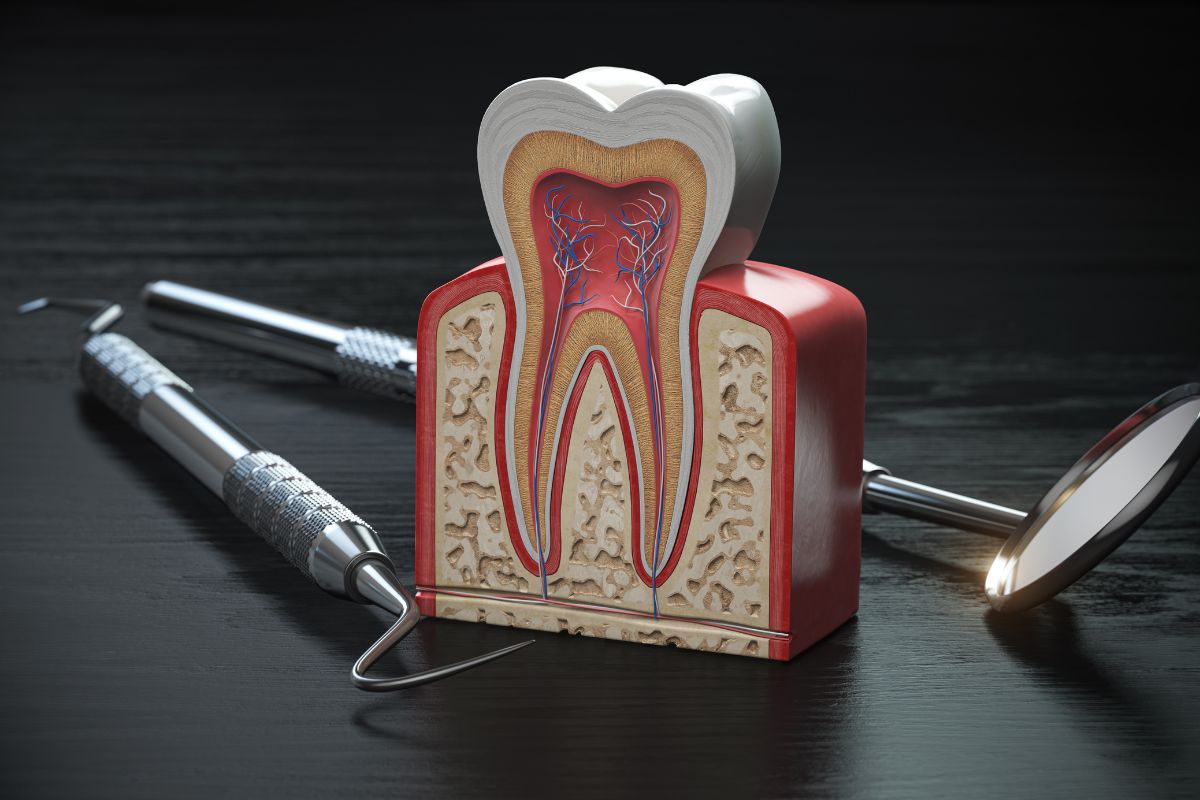
A root canal infection happens when bacteria reach your tooth’s inner pulp. The pulp houses nerves and blood vessels, and when it becomes infected, pain and other symptoms can follow. Left untreated, the infection can spread beyond the tooth, leading to bigger dental and health concerns. Knowing what to watch for is the first step in protecting your smile.
What Causes a Root Canal Infection?
Several factors can put your tooth at risk for infection, including:
- Deep decay: When a cavity isn’t treated in time, bacteria can reach the pulp.
- Cracks or chips: Even small breaks in a tooth can allow bacteria to enter.
- Repeated dental procedures: Multiple treatments on the same tooth may weaken its structure.
- Injury: Trauma to a tooth can affect the pulp even without visible damage.
Understanding the cause helps explain why root canal therapy is often the best solution. It removes the source of infection and saves the natural tooth.
Common Signs of a Root Canal Infection
Recognizing the symptoms early is key. Here are some of the most common warning signs:
Persistent Toothache
One of the clearest indicators is a deep, throbbing pain that doesn’t go away alone. The pain may get worse when you bite or chew.
Sensitivity to Hot or Cold
If sipping coffee or eating ice cream causes sharp pain that lingers long after, the pulp could be infected.
Swollen or Tender Gums
Swelling near the affected tooth, or even a small bump on the gums, can be a sign of infection.
Discoloration of the Tooth
An infected tooth may appear darker than the rest because of internal damage.
Bad Taste or odor
In some cases, infection can cause discharge, leaving a constant unpleasant taste or smell in your mouth.
When to Seek Treatment?
If these symptoms last more than a couple of days or seem to worsen, it’s time to see a dentist. In severe cases, untreated infections can cause swelling in the face, fever, or even spread to other areas of the body. Quick action is important; the earlier root canal therapy is performed, the better the chances of saving the tooth.
How Root Canal Therapy Helps?
Many people worry when they hear the term root canal therapy, but the procedure is designed to relieve pain, not cause it. During treatment, the infected pulp is removed, the inside of the tooth is carefully cleaned, and the space is sealed. Finally, a crown is often placed to restore strength and function.
By choosing treatment promptly, patients in Erie can keep their natural teeth while eliminating infection and avoiding more invasive procedures like extraction.
Preventing a Root Canal Infection
While not every case can be prevented, good habits reduce your risk:
- Brush and floss daily.
- Visit your dentist regularly for checkups and cleanings.
- Protect your teeth by avoiding chewing ice, hard candy, or using your teeth as tools.
- Wear a mouthguard if you play sports.
- Address cavities, cracks, or dental pain early before it worsens.
Conclusion
A root canal infection often starts with subtle signs like sensitivity or swelling, but it can quickly become serious if ignored. Knowing the symptoms helps you act before the infection spreads. If you’ve noticed any of these warning signals, don’t wait.
Request an appointment at Harborcreek Dental in Erie today and let our team help restore your comfort and protect your smile.