

Wondering whether that nagging tooth pain is something you can wait out or something that needs attention now? A tooth infection rarely resolves on its own, and waiting too long can turn a straightforward fix into a more involved procedure. Erie, PA winters make it even harder to tell a dental problem from ordinary sinus pressure. At Harborcreek Dental, Dr. Kevin Sambuchino sees patients delay care because early symptoms felt manageable. Here are seven signs of a tooth infection worth acting on right away.
What Causes a Tooth Infection?
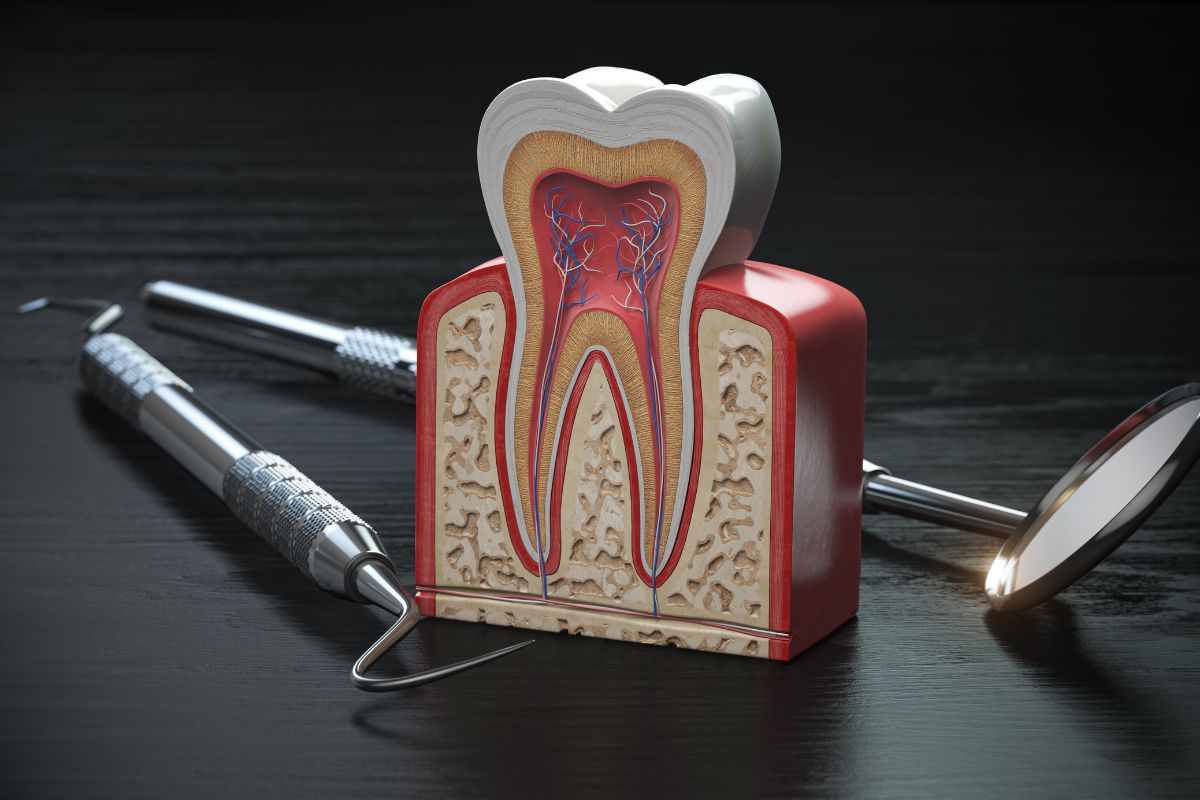
A tooth infection develops when bacteria reach the pulp, the soft tissue inside a tooth containing nerves and blood vessels. This usually happens through untreated decay, a cracked tooth, or advanced gum disease. Once bacteria reach the pulp, the body can’t clear the infection without treatment.
7 Signs of a Tooth Infection You Should Never Ignore
1. Persistent, Throbbing Pain
A toothache that lingers for more than a day or two, especially one that throbs or worsens with chewing, is one of the clearest signs of infection. Pain that radiates toward the jaw, ear, or neck often means the infection has spread beyond the tooth itself.
2. Swelling in the Face, Jaw, or Gums
Swelling near an infected tooth signals that bacteria have moved into surrounding tissue. The area often feels warm and tender to the touch. Swelling that spreads toward the eye or neck needs same-day evaluation.
3. A Pimple-Like Bump on the Gum
A small, pus-filled bump near the affected tooth, known as a fistula, is a sign the body is trying to drain the infection on its own. This bump may come and go, but its presence means active infection, even between flare-ups.
4. Fever or Feeling Generally Unwell
A low-grade fever alongside tooth pain suggests the immune system is responding to bacteria spreading beyond the tooth. Fatigue, chills, or body aches paired with dental pain shouldn’t be dismissed as a separate illness.
5. Persistent Bad Taste or Bad Breath
A sour or metallic taste that doesn’t improve with brushing often means an abscess is draining into the mouth. Mouthwash and mints only mask the odor temporarily, since the underlying infection is the actual source.
6. Lingering Sensitivity to Hot or Cold
Brief sensitivity to temperature is common and often harmless. Sensitivity that lingers for 30 seconds or longer after the hot or cold source is removed suggests the nerve inside the tooth is inflamed or infected.
7. Swollen Lymph Nodes or Difficulty Opening the Mouth
Tender, swollen lymph nodes under the jaw or in the neck mean the immune system is actively fighting an infection nearby. Difficulty fully opening the mouth or swallowing comfortably is a sign the infection may be affecting deeper tissue.
Tooth Infection or Sinus Pressure? Erie’s Winters Complicate the Picture
The roots of the upper back teeth sit close to the maxillary sinuses, so sinus pressure from a cold or seasonal allergies can mimic tooth pain. Erie’s lake-effect winters bring frequent sinus infections, which makes this mix-up common between November and March. Sinus-related pain usually affects several upper teeth at once and improves with decongestants, while a true tooth infection stays localized to one area and doesn’t respond to sinus treatment. When it’s unclear which one you’re dealing with, a dental exam rules out the tooth as the source.
When a Tooth Infection Becomes a Medical Emergency
Most tooth infections call for a prompt dental visit rather than a trip to the emergency room. That changes if swelling spreads rapidly, closes an eye, or reaches the neck, or if you have trouble breathing or swallowing. These symptoms mean the infection may be affecting the airway, which requires immediate emergency medical care before any dental treatment.
What Happens If a Tooth Infection Goes Untreated
Left alone, a tooth infection doesn’t stay contained. Bacteria can spread to the jawbone, surrounding teeth, or through the bloodstream to other parts of the body. Waiting also tends to shrink the range of treatment options, since a tooth that could have been saved earlier may eventually require extraction.
Can a Tooth Infection Go Away on Its Own?
No. Antibiotics can reduce the bacterial load and calm symptoms temporarily, but they don’t remove the source of the infection inside the tooth. Without treatment such as a root canal or extraction, the infection typically returns once antibiotics are finished.
What to Do While You Wait for Treatment
A few steps can ease discomfort until you’re seen, though none of them replace professional care.
- Rinse gently with warm salt water several times a day.
- Apply a cold compress to the outside of the cheek to reduce swelling.
- Take over-the-counter pain relief as directed on the label.
- Avoid placing aspirin directly on the gum, which can irritate tissue.
- Skip very hot or cold foods that trigger sensitivity.
How Tooth Infections Are Diagnosed and Treated
A dental exam combined with X-rays shows how far an infection has spread and whether the tooth can be saved. Root canal therapy removes infected pulp while preserving the natural tooth in most cases. When damage is too extensive, extraction followed by a replacement option, such as a dental implant, may be the better long-term path. Emergency dentistry visits are available for patients whose symptoms can’t wait for a routine appointment.
Getting Timely Care in Erie
A tooth infection rarely improves with time alone, and catching it early keeps treatment simpler. At Harborcreek Dental, Dr. Sambuchino and the team evaluate infection signs quickly and explain every option before moving forward. If you’re noticing any of these seven signs, schedule a visit with Harborcreek Dental so the source of the problem gets addressed rather than masked.
Frequently Asked Questions
How quickly does a tooth infection spread?
Progression varies, but symptoms can worsen over days rather than weeks once bacteria reach the pulp. Swelling or fever developing alongside tooth pain suggests the infection is advancing. A same-week evaluation is worthwhile if pain has lasted more than two days.
Can a tooth infection cause headaches?
Yes, pain from an infected upper tooth can radiate toward the temple or forehead, especially when the roots sit near the sinuses. A headache paired with localized tooth pain or sensitivity is worth mentioning at a dental visit. An exam can determine whether the tooth is the actual source.
Is it normal for tooth infection pain to come and go?
Pain that fades doesn’t always mean the infection is resolving. A draining abscess can relieve pressure temporarily, which reduces pain without eliminating the underlying problem. A dental evaluation is the only way to confirm whether the infection is still active.
Can antibiotics alone cure a tooth infection?
Antibiotics reduce bacteria and calm symptoms, but they don’t remove infected tissue inside the tooth. Most infections return once the antibiotic course ends unless followed by a root canal or extraction. A dental visit determines which treatment addresses the actual source.
Should children’s tooth infection symptoms be treated differently?
Children can develop tooth infections from untreated decay just like adults, and swelling or fever should be evaluated promptly given how quickly symptoms can progress in a smaller body. A pediatric-experienced dental team can assess baby and adult teeth differently, since treatment options vary by tooth type.