
Thinking about tooth implants but unsure if they’re safe? You’re not alone. While dental prosthetics offer a lasting, natural-looking solution for missing teeth, many people hesitate due to safety concerns. Are they reliable? What could go wrong? These are important questions, and it’s essential to address them before moving forward.
In this blog, we’ll focus on the facts—addressing common concerns and discussing the reliability of dental implants. Whether you’re considering artificial teeth for the first time or just need more clarity, this guide will help you out!
What Are Dental Implants?
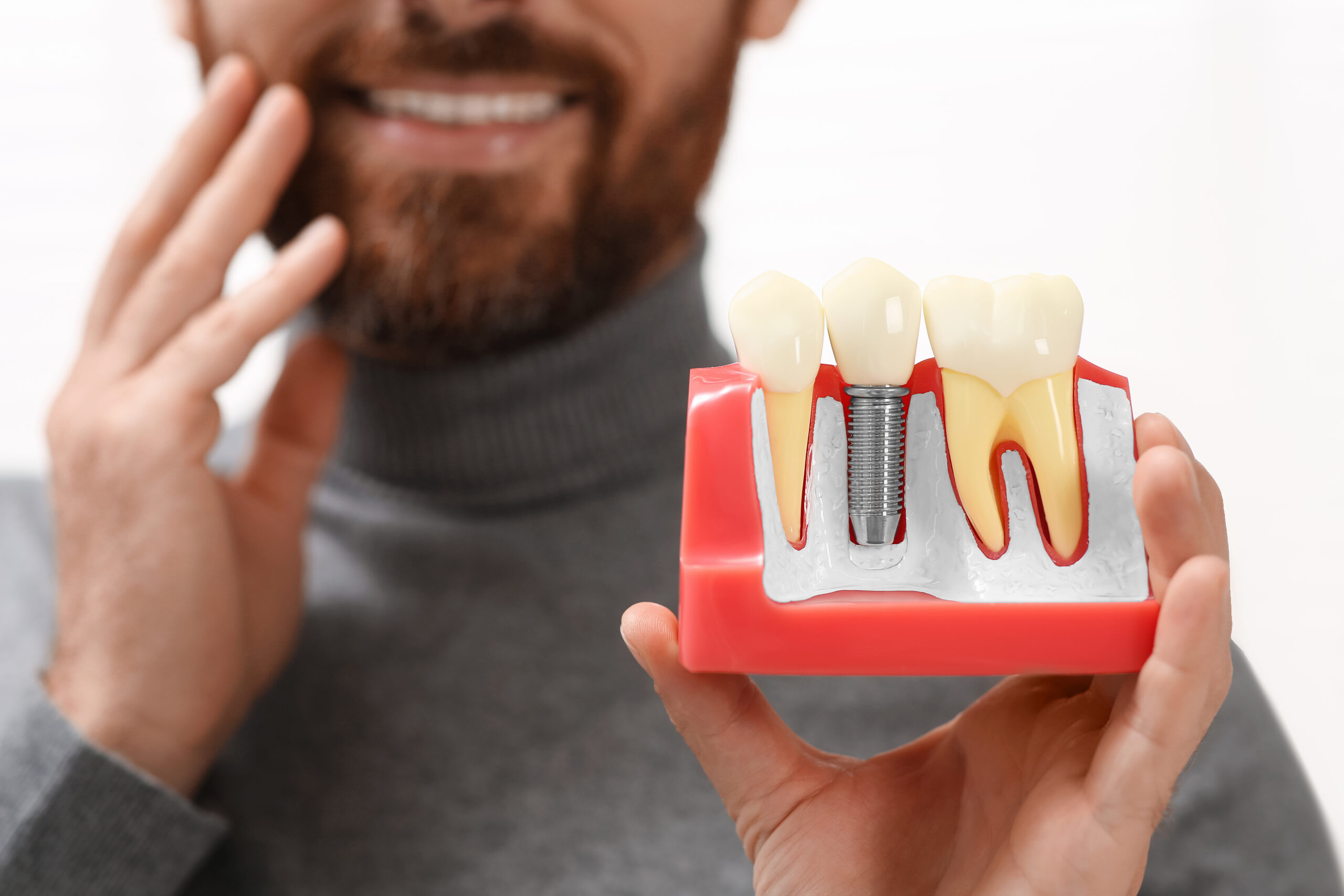
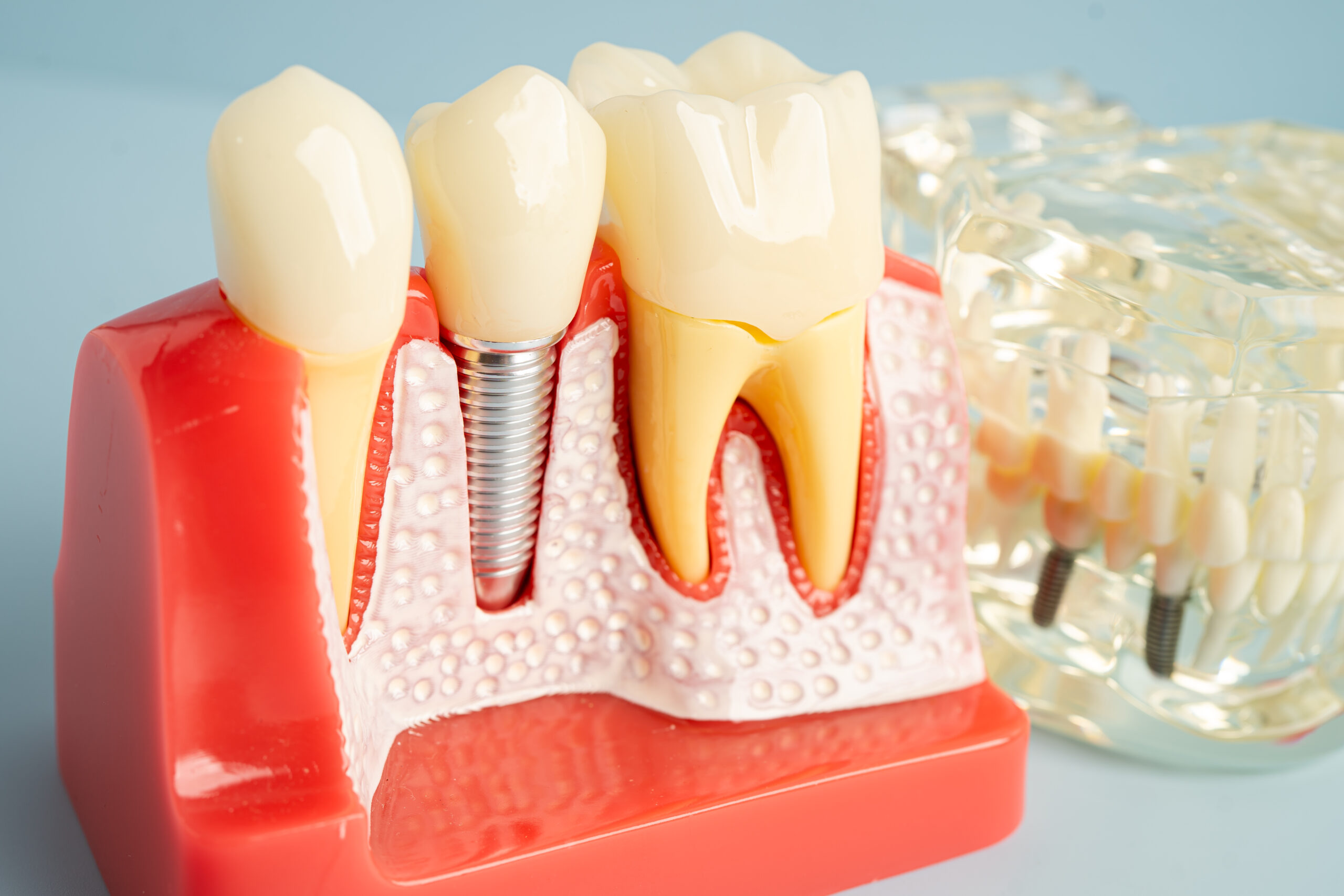
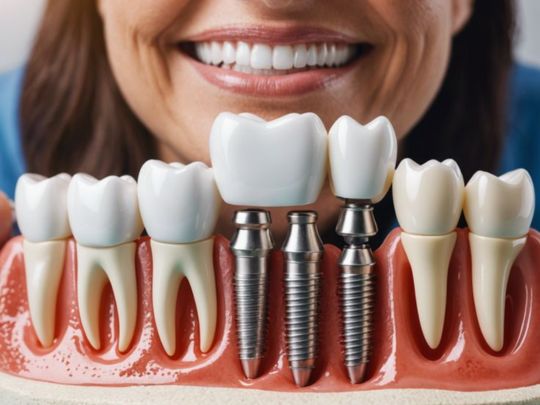
Dental implants are artificial titanium roots surgically placed into the jawbone. They act as anchors for crowns, bridges, or dentures, offering a stable, long-lasting replacement for missing teeth. Unlike dentures, prosthetics are fixed, meaning they won’t slip or move, providing improved comfort and function. Implants closely resemble real teeth, providing both aesthetic appeal and functional performance.
Are Dental Implants Safe?
Yes, implants are considered highly safe and effective when placed by a trained professional. The success rate of implant surgery is above 95%, making them one of the most reliable tooth replacement options available. These prosthetic devices have been used for decades, and their technology has continued to improve over time. In fact, they are often preferred over traditional dentures or bridges due to their durability and ability to prevent bone loss.
Dental procedures, including implants, carry inherent potential risks that patients should carefully consider and discuss with professionals. It’s essential to consult with a reliable dentist or oral surgeon to determine if implants are right for you. Factors such as overall health, bone density, and oral hygiene can impact the success of the procedure.
Common Concerns About Dental Implants
1. Pain and Discomfort
One of the most common concerns people have about implants is the pain associated with the surgical procedure. While the idea of surgery can be intimidating, most patients report minimal discomfort during the implant placement. Modern techniques and local anesthesia ensure the procedure is as painless as possible. After the surgery, there may be some swelling and discomfort, but this can usually be managed with over-the-counter pain relief and ice packs.
2. Implant Failure
Another concern is the possibility of failure with dental prosthetics. While this can happen, it’s rare. Factors like infection, insufficient bone density, or poor oral hygiene can increase such risks. Following post-operative care instructions and maintaining good oral hygiene are crucial for the success of your implants. Periodic dental examinations help track the proper integration and optimal functioning of recently placed prosthetics.
3. Aesthetic Concerns
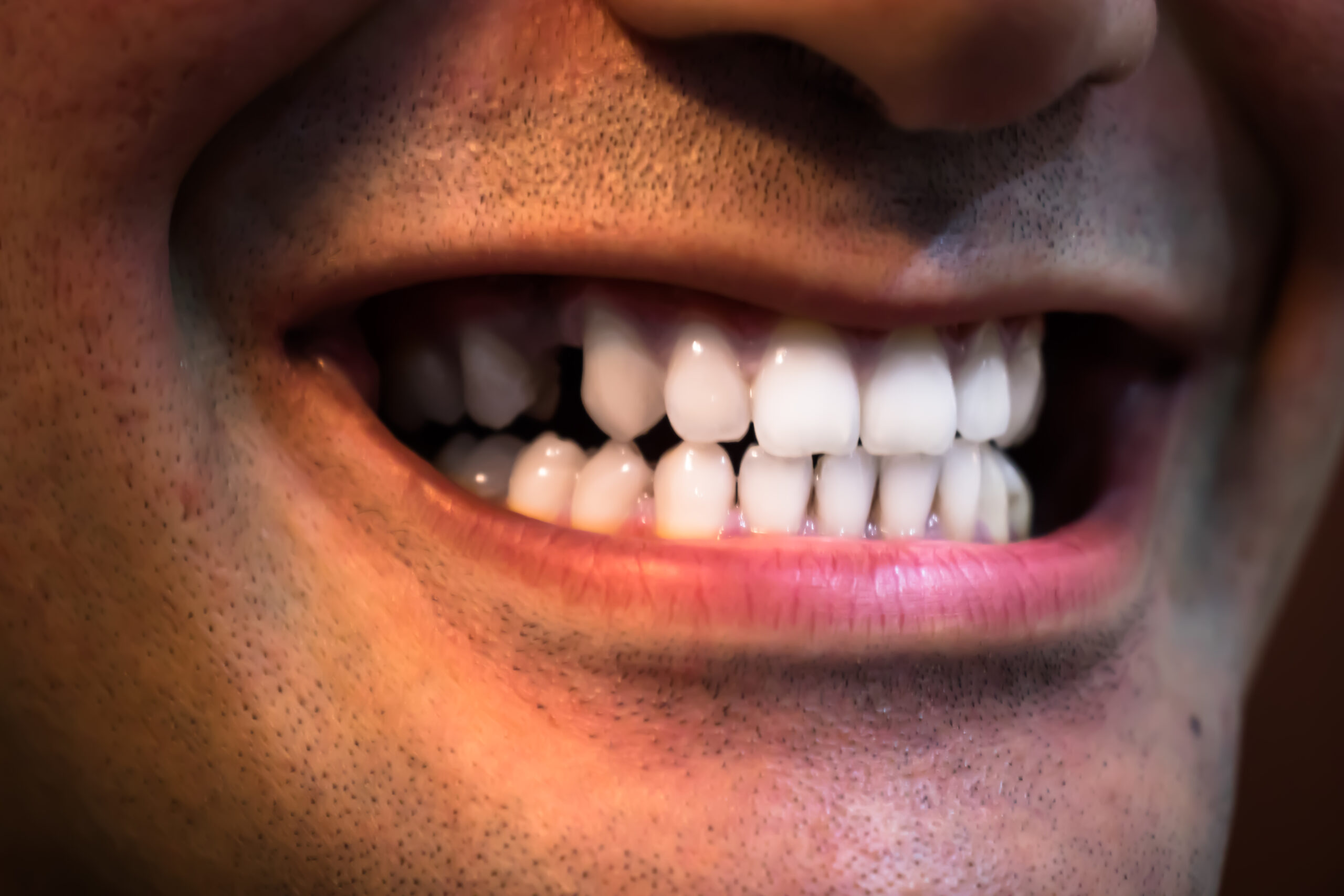
Some people worry about how artificial teeth will look once they’re in place. Fortunately, prosthetic devices are designed to blend seamlessly with natural teeth. The crowns that sit on top of the implants are custom-made to match the shape, color, and size of your existing teeth. This ensures a natural, attractive smile.
4. Bone Loss
Tooth loss can progressively lead to underlying bone deterioration in the jaw region over an extended period. This bone erosion can affect your facial structure and make it more difficult to place implant posts. However, they help stimulate the bone, preventing further loss and maintaining the integrity of the jaw. In cases where bone loss has already occurred, a bone graft may be required before the implant can be placed.
5. Implants vs. Other Tooth Replacement Options
Many individuals wonder how implants compare to other tooth replacement options, like bridges or dentures. Prosthetic teeth have a significant advantage because they provide permanent, stable results. Unlike bridges, which require the alteration of surrounding teeth, implants don’t affect the adjacent teeth. Dentures, on the other hand, can be uncomfortable and may require adhesives, while artificial teeth function just like real ones.
The Safety Aspect
Ensuring the safety of implants starts with a comprehensive evaluation of your oral health and jawbone density. If needed, bone grafting is performed to provide a secure foundation for the implant. The healing process, known as osseointegration, allows the implant to fuse with the bone. This careful approach minimizes risks, reduces complications, and ensures the implant’s stability and long-term success.
How to Ensure the Success of Your Implants?
To ensure the success and longevity of your dental prosthetics, follow these tips:
- Maintain good dental hygiene through consistent brushing and flossing.
- Schedule routine dental appointments to monitor implant condition and address potential concerns.
- Discontinue smoking, as tobacco use can significantly impede healing and cause post-implant complications.
- Eat a balanced diet to support gum health and bone density.
Dental implants are mostly preferred these days for replacing missing teeth. With a high success rate and numerous benefits, they offer a long-lasting option for improving both the function and appearance of your smile. While there are some risks and concerns associated with the procedure, they are relatively rare and can be minimized with proper care and attention.
If you’re considering implants, schedule your visit to Harborcreek Dental. Discuss your prosthetic options with our dentist and achieve a complete smile.