
Losing teeth can impact more than just your ability to eat or smile—it can also affect how you speak. That’s why many people in Erie exploring tooth replacement options ask if dental implants will affect my speech. It’s a valid concern. Clear speech plays a critical role in daily communication and confidence.
If you’re considering dental implants to restore missing teeth, it’s essential to understand how they may influence your ability to speak. The good news? In most cases, implants not only preserve speech clarity, but they may also improve it.
What Are Dental Implants?
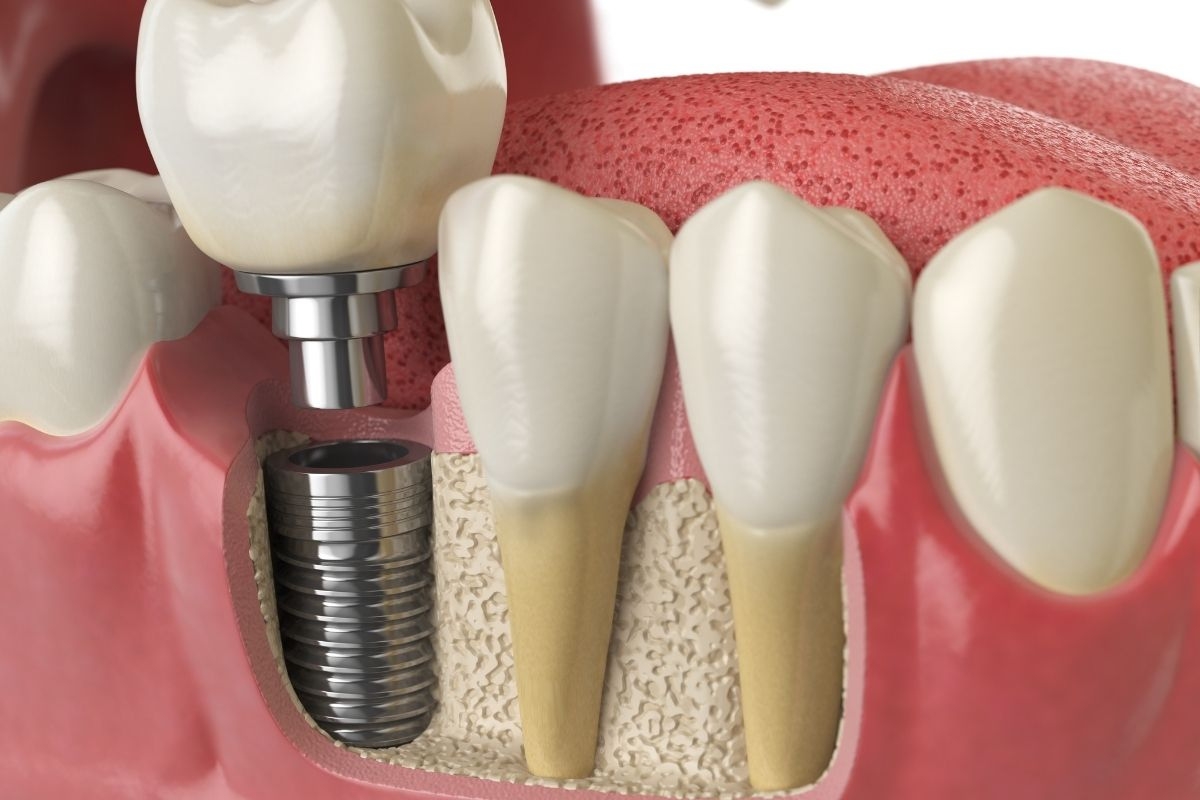
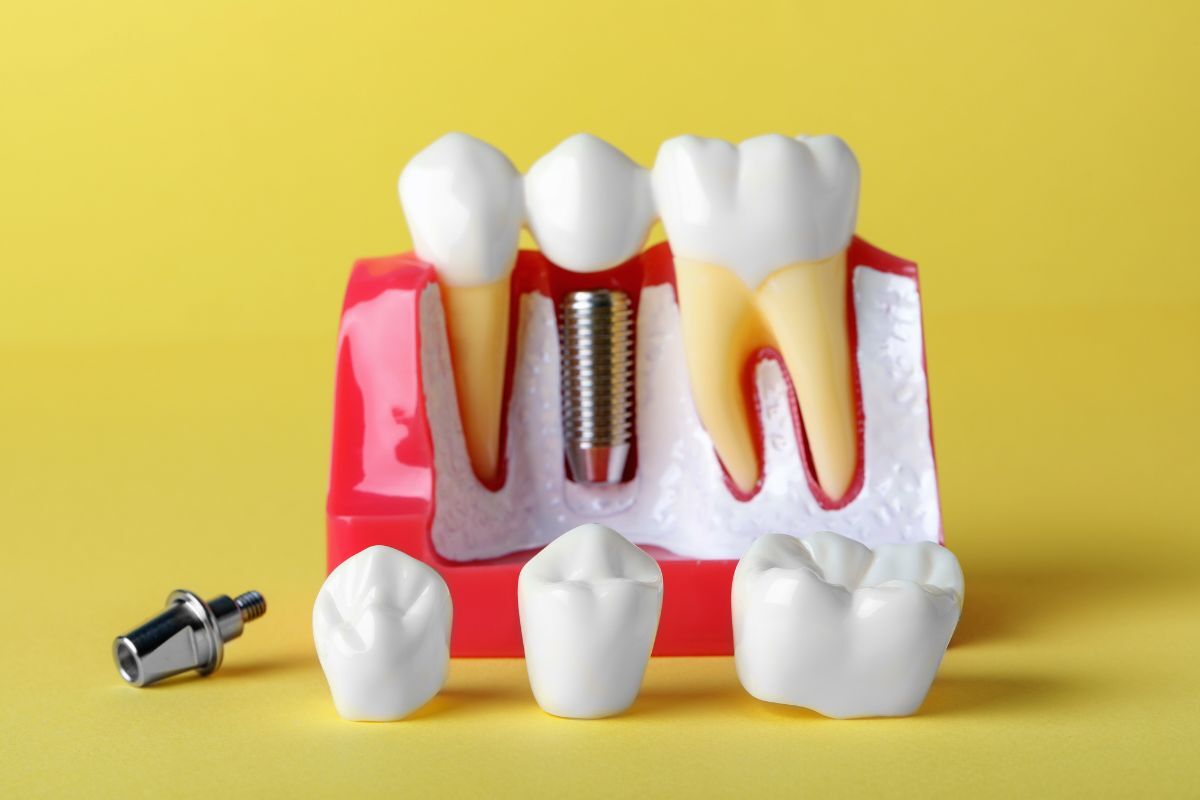
Dental implants are small, medical-grade titanium posts that act as artificial tooth roots. They are surgically placed into the jawbone and serve as a foundation for crowns, bridges, or dentures. Over time, the implant fuses with the bone, creating a stable base that mimics the natural function of a tooth.
Because they are anchored directly into the jaw, implants offer greater stability than traditional dentures. They don’t shift or move when you talk or eat, making them a highly functional and reliable solution for tooth replacement.
Will My Speech Change with Dental Implants?
Most patients experience little to no disruption in their speech after getting dental implants. In fact, for many, implants enhance articulation by replacing the gaps left by missing teeth, especially front teeth, which play a vital role in sound formation.
When teeth are missing, your tongue may not make proper contact with surfaces needed to pronounce certain sounds like “s,” “f,” or “th.” This can lead to slurred or unclear speech. Dentures, while helpful, can sometimes move out of place and cause speaking difficulties. By contrast, dental implants stay securely in place and restore the natural structure of your mouth.
If you’re getting a dental implant in Erie, you’ll find that local providers typically guide you through the entire adjustment process. Any initial discomfort or changes in your mouth’s feelings are usually temporary and disappear as you get used to the new implant.
Why Missing Teeth Impact the Way You Speak?
Missing teeth do more than leave a gap—alter how your lips, tongue, and airflow work together to form sounds. This can result in a lisp, a whistle, or difficulty enunciating certain words. These issues can be especially noticeable when teeth in the front of your mouth are missing.
Dental implants restore that lost structure. Once placed, they provide a fixed surface for the tongue and lips to interact with during speech. The result is often improved clarity and more confident communication.
Adapting to Dental Implants: What to Expect?
Although most people in Erie adjust quickly to dental implants, some may notice a slight difference in how their mouth feels when speaking for the first few days. This adjustment period is normal and short-lived.
Here are a few tips to make the transition smoother:
- Read aloud: Practice reading your favorite book or article out loud at home.
- Repeat challenging sounds: Focus on awkward words or phrases and repeat them slowly.
- Record yourself: Listening back can help you fine-tune any speech nuances.
The good news is that your mouth adapts quickly to daily speech use, and most people report that their speech feels even clearer than before.
Ready to Restore Your Smile and Confidence?
Choosing dental implants restores function and appearance and supports confident communication. Whether you’re replacing a single tooth or several, implants provide a secure, long-lasting solution.
If you’re concerned about how tooth loss affects your speaking ability, it’s time to take the next step. A dentist in Erie can evaluate your needs and help determine whether implants fit you.
At Harborcreek Dental, we provide comfortable, long-lasting solutions tailored to each patient. Our team is experienced in dental implants and committed to helping Erie residents speak, eat, and smile with confidence again.
Contact us today to schedule your consultation and take the first step toward restoring your smile and voice.