
When it comes to replacing missing teeth, two popular options stand out: dental implants and dentures. Both offer a solution for restoring your smile and improving oral function, but they differ in terms of cost, maintenance, and long-term benefits. Deciding between dental implants and dentures depends on several factors, including your budget, oral health, and personal preferences. In this blog, we’ll compare dental implants and dentures to help you determine which option might be the best fit for you.
What Are Dental Implants?
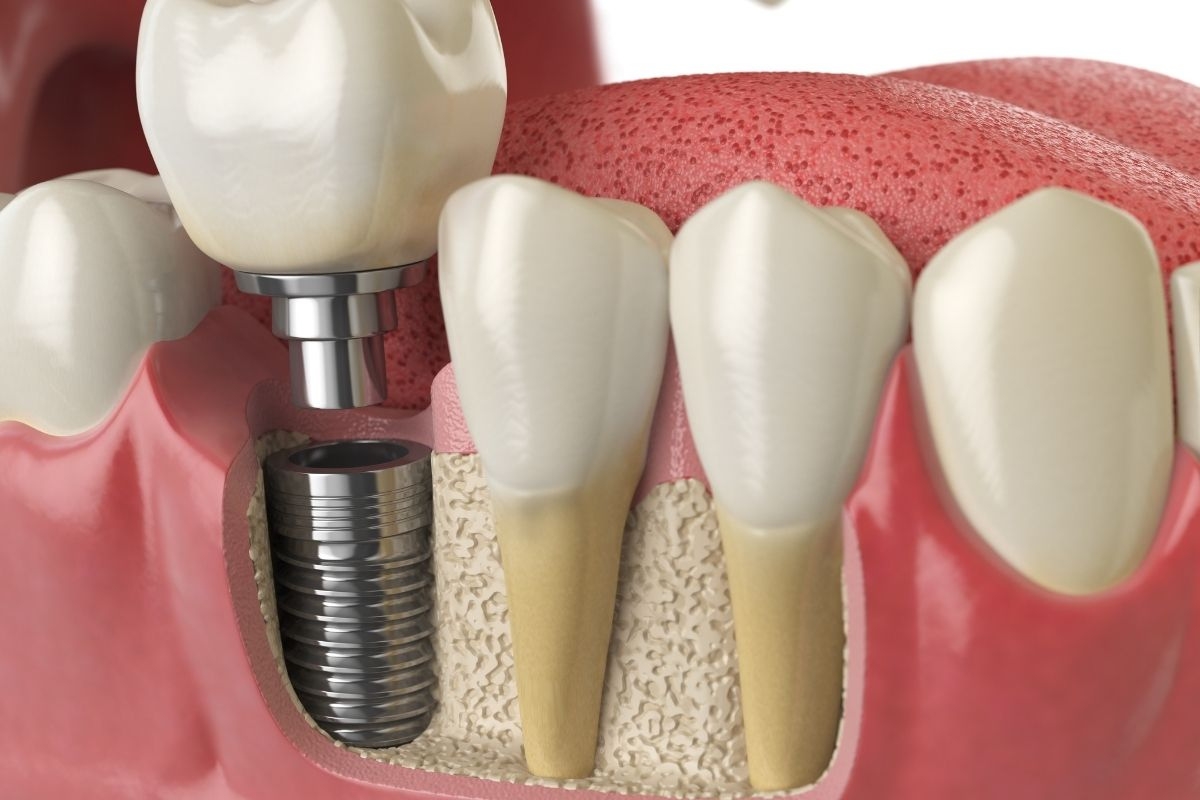
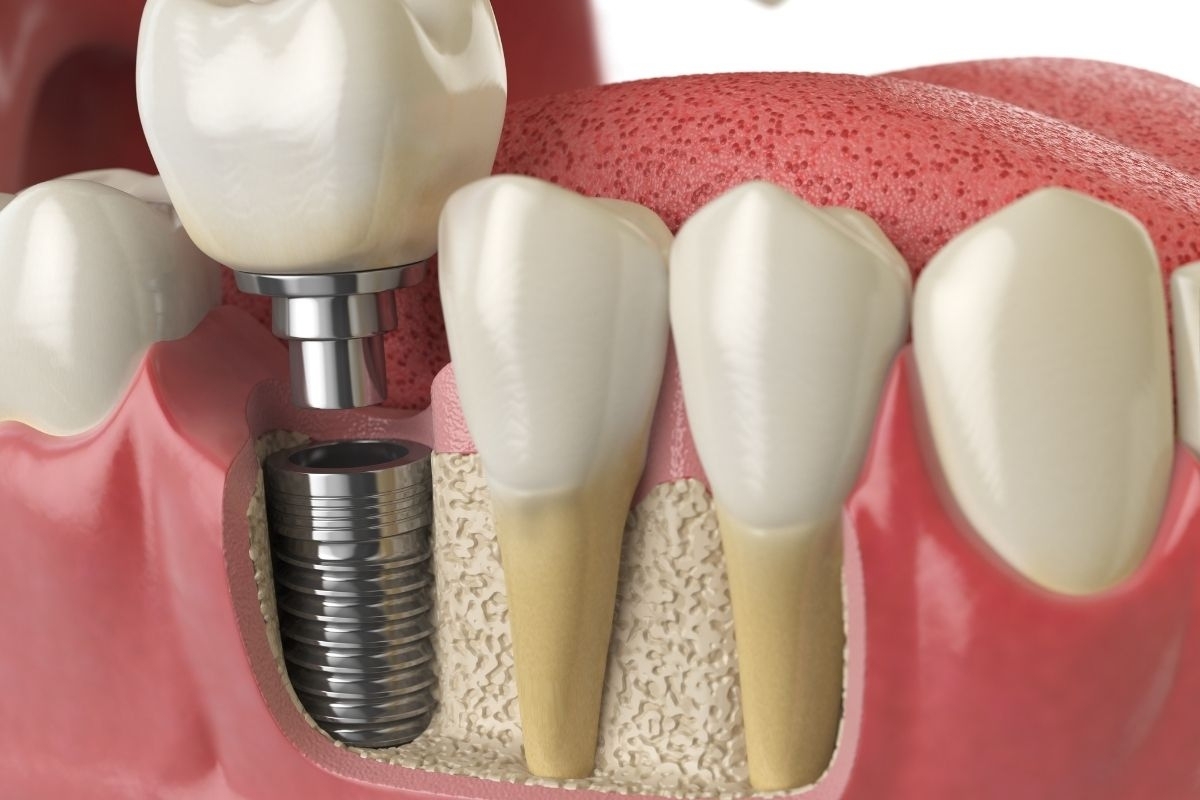
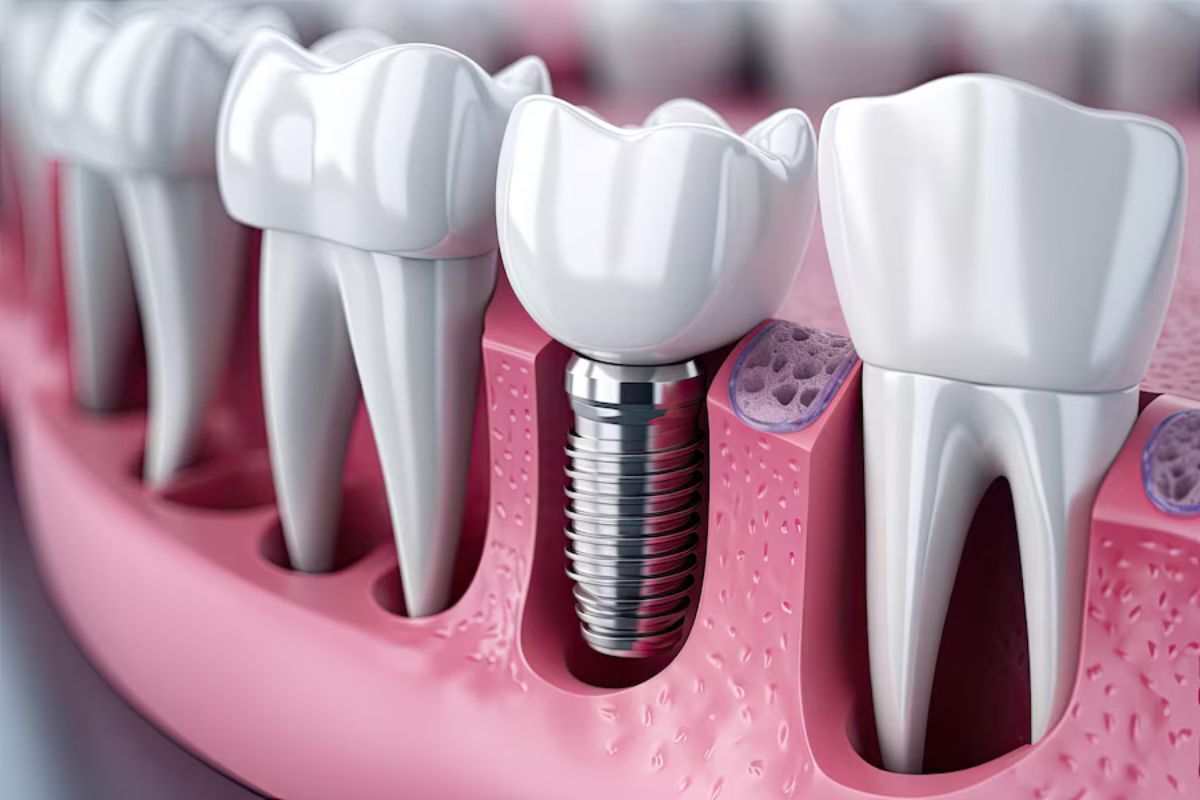
Dental implants are a permanent tooth replacement solution that involves surgically placing a titanium post into the jawbone. This post acts as a replacement for the tooth root, and once it has fused with the bone (a process called osseointegration), a crown is attached on top to create a natural-looking tooth.
Dental implants offer a long-lasting, durable option for replacing one or more missing teeth. They provide stability similar to natural teeth, allowing you to eat, speak, and smile confidently.
What Are Dentures?
Dentures are removable appliances that replace missing teeth and the surrounding tissues. They come in two main types: full dentures, which replace all of the teeth in either the upper or lower jaw, and partial dentures, which fill in gaps where some natural teeth remain.
Dentures are custom-made to fit your mouth, but because they rest on the gums rather than being anchored into the jaw, they can sometimes shift or feel less stable than dental implants.
Key Differences Between Dental Implants and Dentures
1. Appearance and Functionality
One of the most significant differences between dental implants and dentures is how they look and feel. Dental implants are designed to mimic natural teeth in both appearance and function. Because they are anchored into the jawbone, they provide a stable, secure fit that feels just like your natural teeth. You can eat, speak, and smile with confidence without worrying about your teeth shifting or coming loose.
Dentures, on the other hand, are removable and can sometimes slip or shift in the mouth, especially if they’re not properly fitted. While modern dentures can look quite natural, some wearers report that they don’t feel as secure or comfortable as dental implants.
2. Durability and Lifespan
Dental implants are known for their durability. When properly cared for, they can last a lifetime. The titanium post that serves as the root of the implant is designed to fuse with the jawbone, creating a permanent and stable foundation for the crown. The crown itself may need to be replaced after 10-15 years due to normal wear and tear, but the implant post remains intact.
Dentures, on the other hand, typically need to be replaced every 5-10 years as the shape of your mouth changes over time. Dentures can also wear down or become damaged, requiring adjustments or repairs.
3. Comfort and Fit
Because dental implants are fixed in place, they feel much more like natural teeth. There is no risk of them shifting or moving while eating or speaking, which can sometimes be an issue with dentures. Denture wearers may also experience sore spots or gum irritation due to friction or poor fit.
Dentures, while custom-made, rely on the shape of your gums and jaw to stay in place. Over time, as your bone structure changes, dentures may become loose, leading to discomfort and the need for adjustments.
4. Maintenance
Dental implants require the same care as natural teeth—regular brushing, flossing, and dental check-ups. Because they are permanent, there’s no need for special cleaning solutions or removal.
Dentures, on the other hand, need to be removed and cleaned daily. They should be soaked overnight in a cleaning solution to keep them free of bacteria and to maintain their shape. Denture wearers also need to clean their gums and any remaining natural teeth regularly.
5. Cost
One of the most important factors for many people when deciding between dental implants and dentures is cost. Dental implants are typically more expensive upfront than dentures. The cost of dental implants can vary based on the number of implants needed, the complexity of the procedure, and your geographical location. However, because they are a long-term solution, many people consider them a worthwhile investment.
Dentures, while more affordable initially, may require replacement and adjustments over time, which can add to their overall cost.
Which Option Is Right for You?
Choosing between dental implants and dentures depends on several factors, including your oral health, lifestyle, and budget. Here are a few things to consider:
- Bone health: If you have sufficient jawbone density, dental implants may be a better option. For those with significant bone loss, dentures might be more suitable, though bone grafting procedures can sometimes make implants possible.
- Long-term solution: If you’re looking for a permanent, durable solution, dental implants are the clear aligners. Dentures, while effective, may require more upkeep and replacement over time.
- Budget: If upfront cost is a concern, dentures are typically more affordable than dental implants. However, it’s worth considering the long-term cost of maintaining and replacing dentures.
Conclusion
Both dental implants and dentures offer solutions for replacing missing teeth, but they serve different needs and preferences. Dental implants are a permanent, stable, and natural-looking option that can last a lifetime with proper care. Dentures, while more affordable and non-invasive, may require more maintenance and replacement over time. Ultimately, the best option depends on your unique dental situation, and a consultation with your dentist will help you make an informed decision.