

Dental implants have revolutionized tooth replacement, offering a natural-looking, long-lasting solution for missing teeth. However, some people considering implants might wonder, “Can your body reject dental implants years later?” While rejection isn’t common, understanding the factors affecting implant success and potential complications is crucial. This blog post from Harborcreek Dental in Erie, PA, will address these concerns and guide you toward a confident smile.
Understanding Dental Implants and Their Biocompatibility
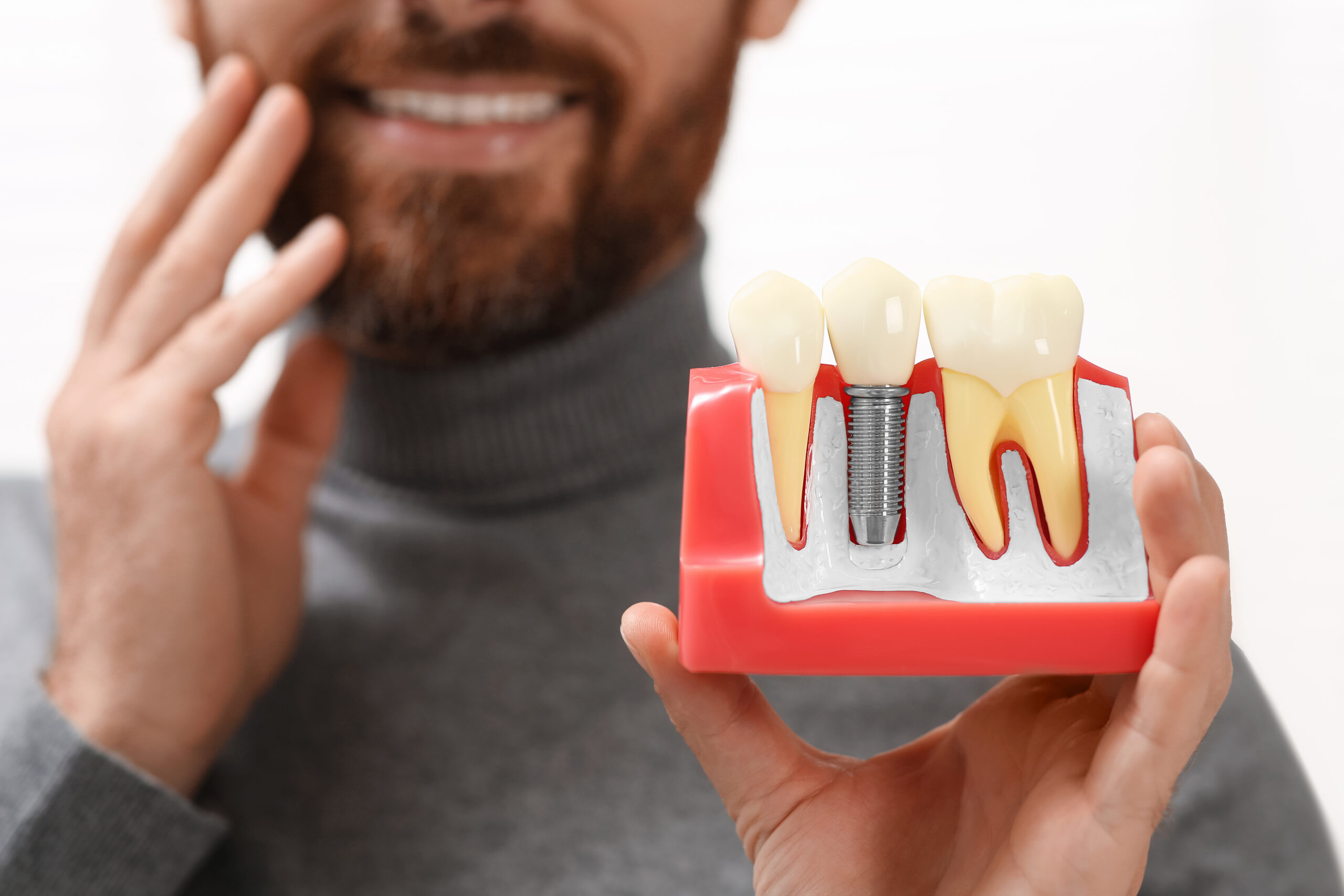
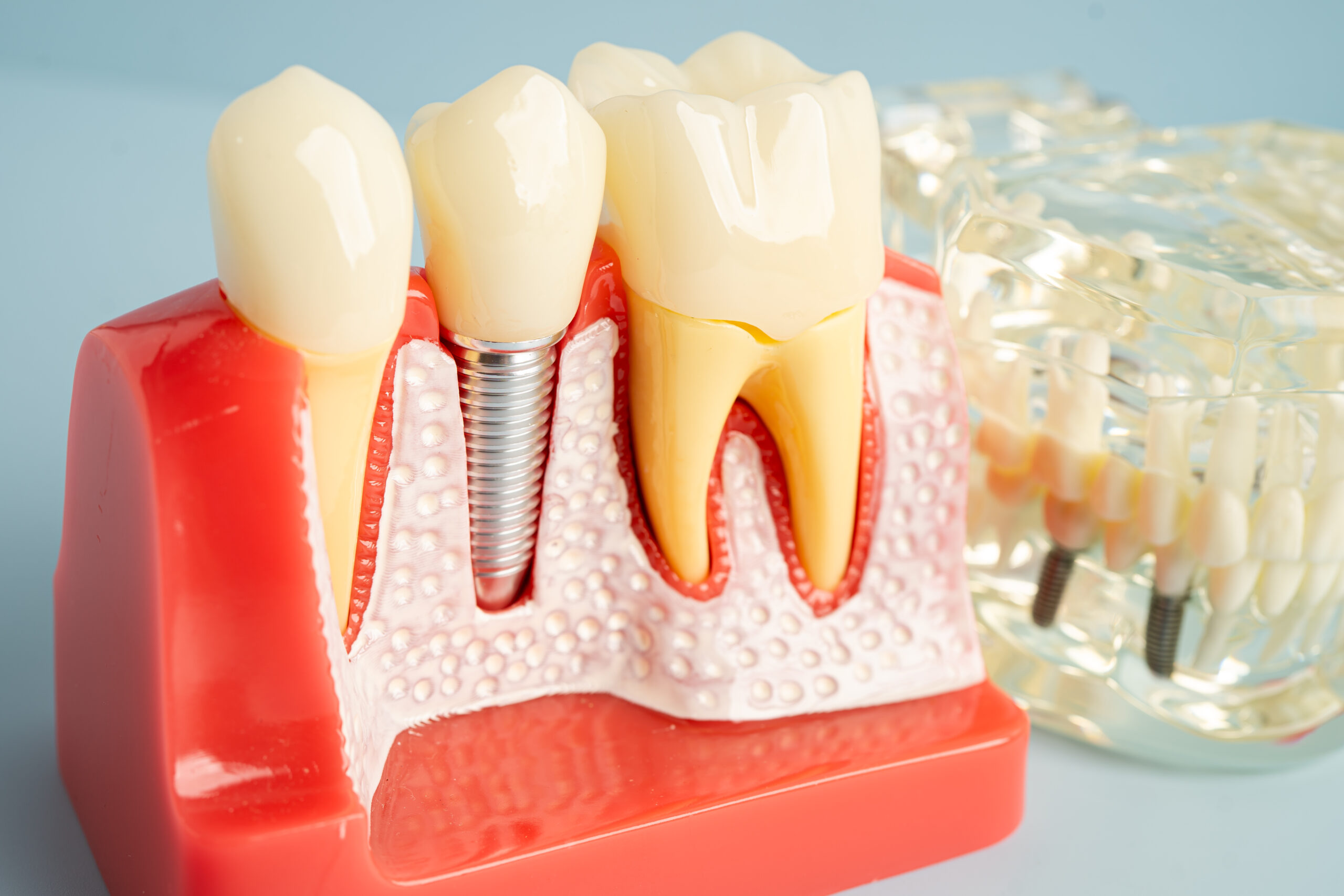
Dental implants consist of two parts:
- The Implant: A biocompatible titanium post surgically placed in your jawbone to act as an artificial tooth root.
- The Restoration is a crown, bridge, or denture securely attached to the implant that replicates the missing tooth structure.
Titanium is a biocompatible material, meaning it’s well-tolerated by the human body and unlikely to trigger an immune response. This exceptional biocompatibility is a key factor in the high success rate of dental implants.
Factors Influencing Implant Success and Potential Issues
While rejection is uncommon, several factors can influence the success and longevity of dental implants:
- Implant Placement and Surgery: Precise implant placement is critical for optimal osseointegration, where the jawbone fuses with the implant surface. An experienced dentist in Erie, PA, with expertise in implant surgery, minimizes the risk of complications.
- Underlying Medical Conditions: Certain medical conditions, like uncontrolled diabetes or autoimmune diseases, can affect healing and increase the risk of implant failure. Discussing your medical history with your dentist is essential.
- Oral Hygiene: Maintaining excellent oral hygiene practices, such as regular brushing, flossing, and professional dental cleanings, prevents gum disease, a significant threat to implant stability.
- Lifestyle Habits: Smoking and excessive alcohol consumption can negatively impact healing and bone health, potentially leading to implant failure.
While true rejection (where the body attacks the implant) is rare, peri-implantitis, an inflammation of the gum tissue around the implant, can occur. This condition can affect patients with dental implants in Erie, leading to implant loosening and possible bone loss around the implant. Early detection and treatment of peri-implantitis are crucial to preserve the implant.
Signs and Symptoms of Potential Implant Rejection
While rare, if you experience any of the following symptoms around your implant years after placement, it’s crucial to consult your dentist in Erie immediately:
- Increased mobility or looseness of the implant
- Persistent pain or discomfort around the implant site
- Swelling or redness of the gums surrounding the implant
- Pus drainage around the implant
- Gradual recession of the gum tissue around the implant
Key Steps for Longevity and success of dental implants
Here are some key takeaways to promote the longevity and success of your dental implants:
- Choose an Experienced Dentist: Opt for a dentist in Erie, PA, with extensive experience and expertise in dental implant surgery.
- Maintain Excellent Oral Hygiene: Meticulous oral hygiene practices are crucial for preventing peri-implantitis and safeguarding the health of your implants.
- Schedule Regular Dental Checkups: Regular dental checkups and cleanings allow your dentist to monitor the health of your implants and address any potential issues early on.
- Adopt Healthy Habits: Quit smoking, limit alcohol consumption, and maintain a healthy diet to promote optimal healing and overall oral health.
Conclusion
Dental implants offer a remarkable solution for replacing missing teeth and enhancing your smile. While rejection is uncommon, understanding the factors influencing implant success and adopting healthy habits are essential for long-lasting results. If you have concerns about dental implants or experience any potential issues, schedule a consultation with Harborcreek Dental. Our experienced team can assess your needs, address your concerns, and guide you towards a healthy and confident smile.