
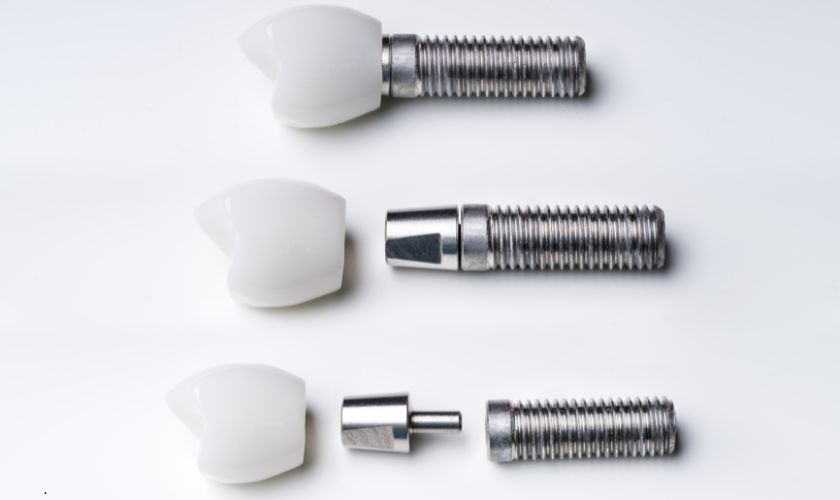
Dental implants have completely changed tooth restoration by providing a durable and aesthetically pleasing replacement for lost teeth. On the other hand, gum tissue issues and their relationship to implants are frequently seen. “Will my gums grow back after getting dental implants?” is one often asked concern.
This blog article discusses gum recession, its treatments, and the connection between gums and dental implants.
The Role of Healthy Gums for Dental Implants
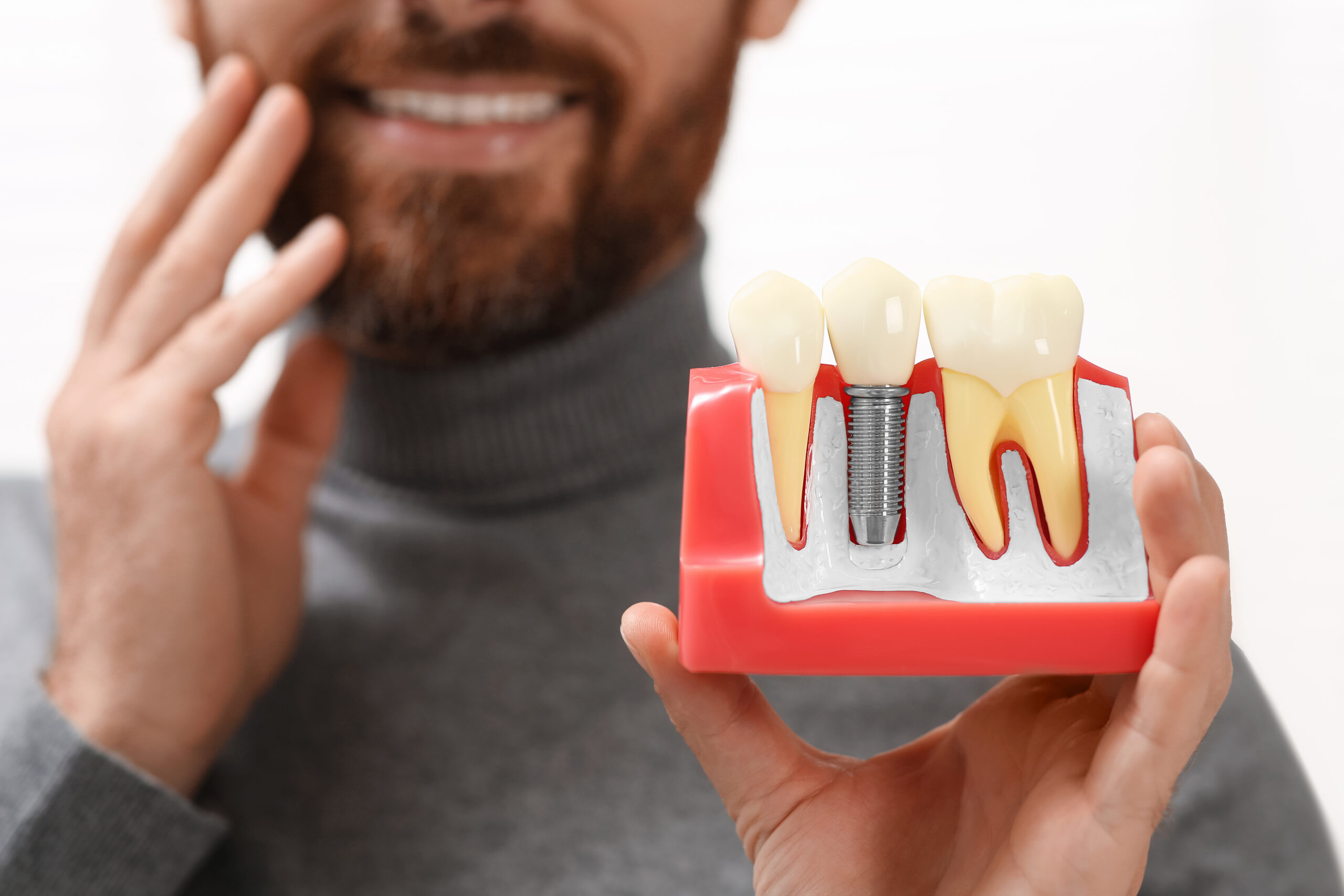
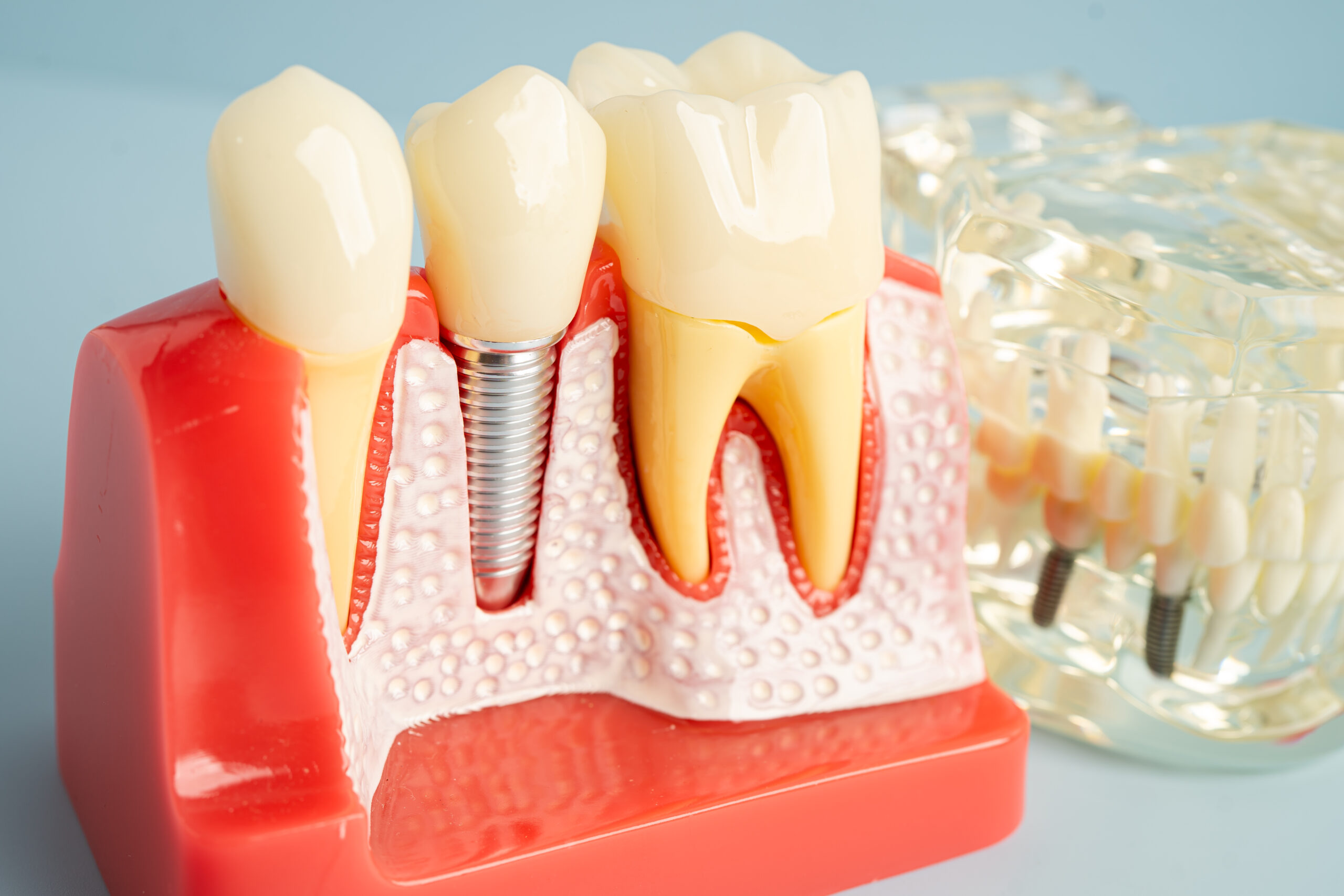
The lifetime and efficacy of dental implants significantly depend on the gums’ health. They serve as an organic barrier, preventing infection of the implant and the underlying bone. Here’s how strong gums support dental implants:
Provide Stability: The implant post is surrounded by healthy gum tissue, which forms a tight seal to keep germs out of the jawbone. This strong grasp guarantees the implant’s stability and functionality.
Prevent Infection: The first line of defense against gum disease, or periodontitis, which can result in implant failure, is a healthy set of gums.
Preserve Aesthetics: Healthy gum tissue influences a smile that seems natural. An appropriate gum covering around the implant post produces a smooth transition between the implant and neighboring teeth.
Gum Recession Around Dental Implants: Understanding the Causes
While gums don’t inherently “grow back” after the recession, they can be addressed through various treatments. Here’s a closer look at why gum recession can occur around dental implants.
Improper Implant Placement: If an implant is positioned too close to the gum line, it may not have adequate surrounding bone tissue for practical support. Over time, this may result in gum recession.
Bad Dental Hygiene: Plaque accumulating around the implant can aggravate the gums, causing recession and irritation. Good dental hygiene is essential for implant success and healthy gums.
Pre-Existing Gum Disease: If gum disease existed before the implant was inserted, it may worsen and impact the surrounding gum tissue.
Bruxism: Grinding or clenching teeth excessively can cause unnecessary stress on the implant and surrounding bone, possibly resulting in gum recession.
Treatment Options for Gum Recession Around Dental Implants in Erie
If you experience gum recession around your dental implants, seeking professional help from a dentist in Erie is crucial. Early intervention is key to prevent further complications and ensure implant longevity.
The following list of therapies is for gum recession around dental implants:
Scaling and Root Planing: This cleaning technique encourages gum healing by removing plaque and tartar accumulation from the implant surface and neighboring teeth.
Antibiotics: Antibiotics may be recommended to fight germs and encourage gum repair when an infection is present.
Gum Grafting: A dentist could suggest gum grafting techniques in cases of more severe gum recession. To cover the exposed implant surface and encourage regeneration, healthy gum tissue from another location of your mouth is transplanted.
Bone Grafting: In extreme situations when gum recession has coincided with bone loss, bone grafting treatments may be required to restore bone structure and create a foundation for gum tissue regeneration.
Preventing Gum Recession Around Dental Implants: Maintaining a Healthy Smile
The best approach to gum recession is prevention. Here are some practices to maintain healthy gums and ensure the success of your dental implants in Erie
Maintain Excellent Oral Hygiene: Brush twice daily and floss once daily, paying particular attention to the area around the implant. Consider using a soft-bristled toothbrush to avoid irritating the gum tissue.
Schedule Regular Dental Checkups and Cleanings: Regular professional cleanings remove plaque buildup that brushing and flossing alone might cause. These cleanings also allow your dentist to monitor your gum health and detect any concerns regarding gum recession early on.
Manage Pre-Existing Gum Disease: If you have pre-existing gum disease, it’s crucial to maintain proper oral hygiene and work with your dentist to control the condition. Well-managed gum disease can prevent further gum recession around your implants.
Quit Smoking: Smoking weakens the immune system and increases the risk of gum disease, which can negatively affect gum tissue around implants.
Conclusion: A Collaborative Effort for a Healthy Smile with Dental Implants in Erie
Dental implants provide a dependable and durable replacement for lost teeth. But the long-term health of your gums depends on preserving them. Knowing what causes gum recession and what treatments are available will enable you to collaborate with an Erie dentist to maintain your dental health and attain a confident smile.
Make an appointment for a consultation with a licensed dentist to discuss your needs in detail and learn more about gum health and dental implants.