
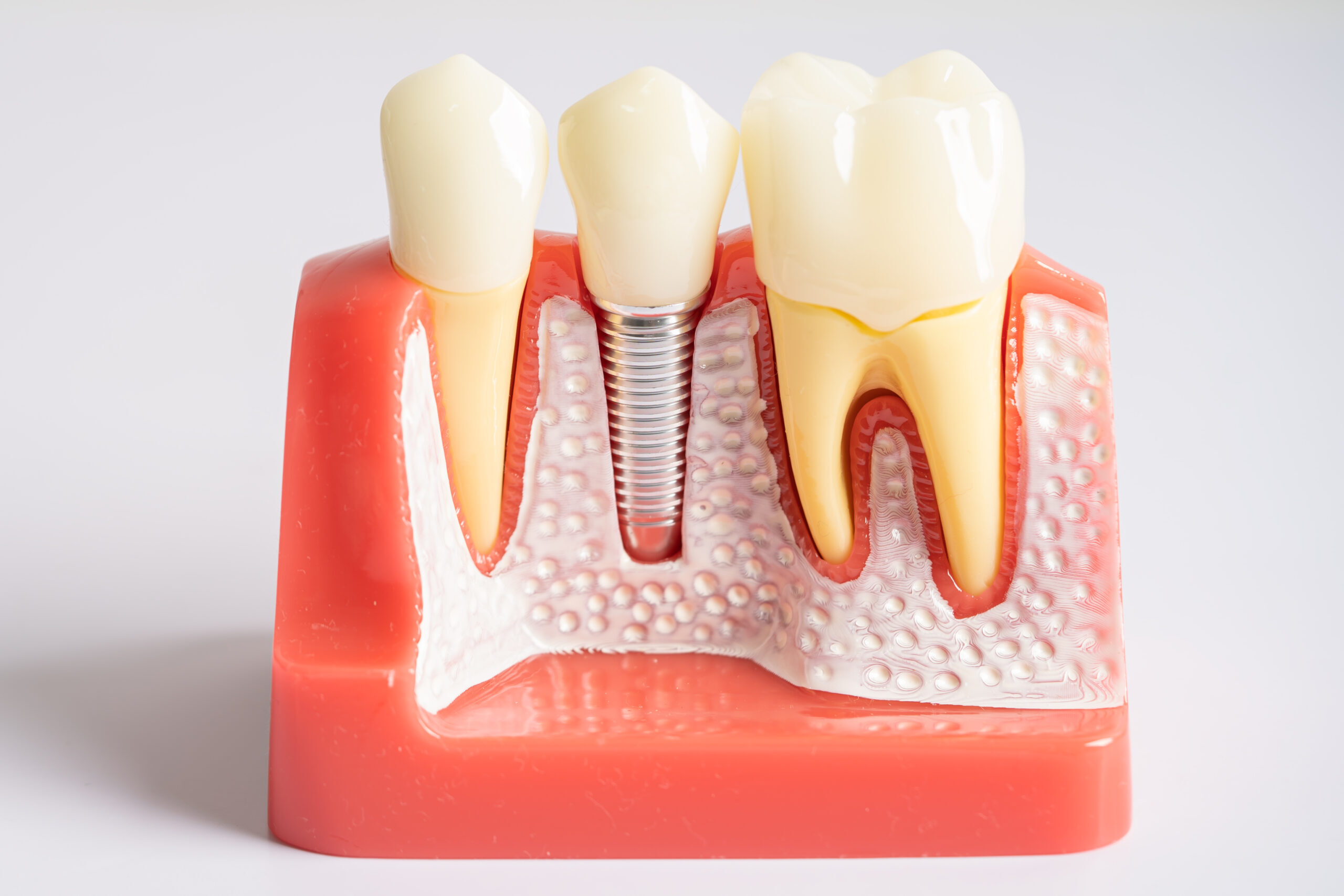
Dental implants are one of the most reliable and natural-looking solutions for replacing missing teeth. They restore not only your smile’s appearance but also your ability to chew and speak comfortably. However, not all dental implants are the same. There are different types designed to fit unique needs, bone structures, and oral health conditions.
In this blog, we’ll break down the three main types of dental implants, their benefits, and how you can determine which one is right for you.
1. Endosteal Implants
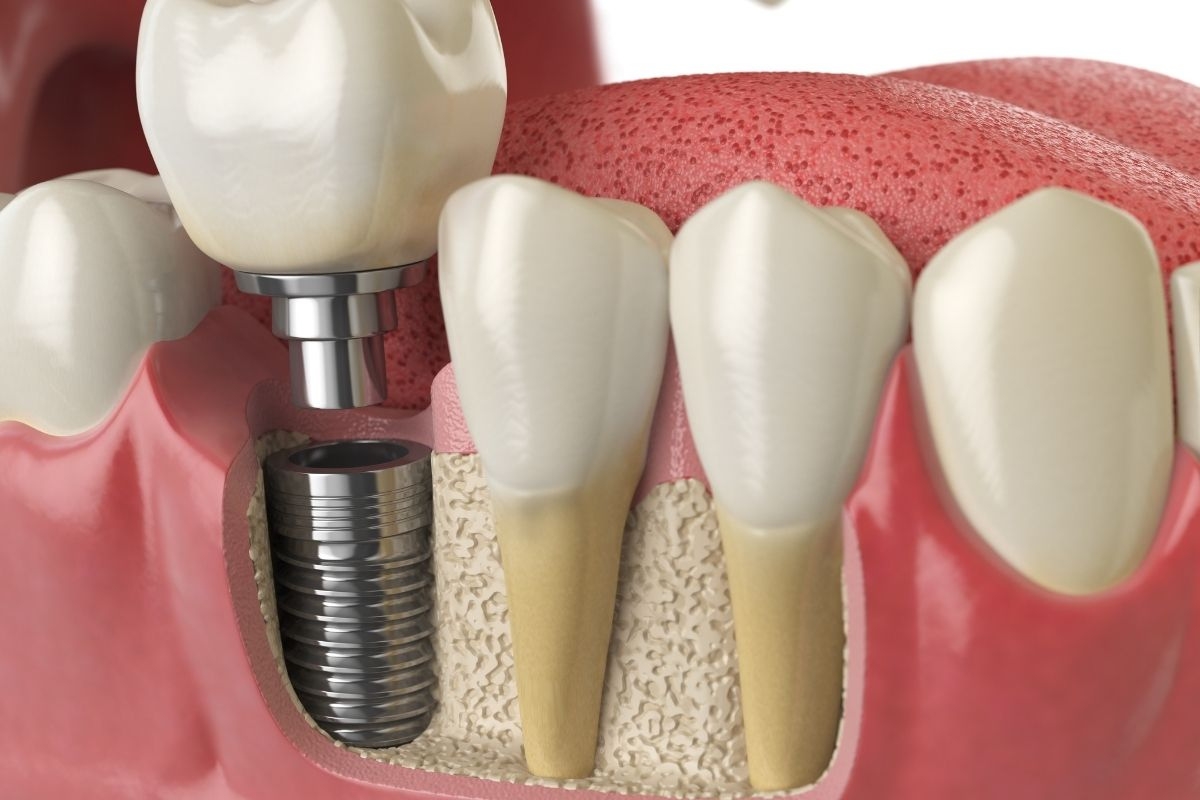
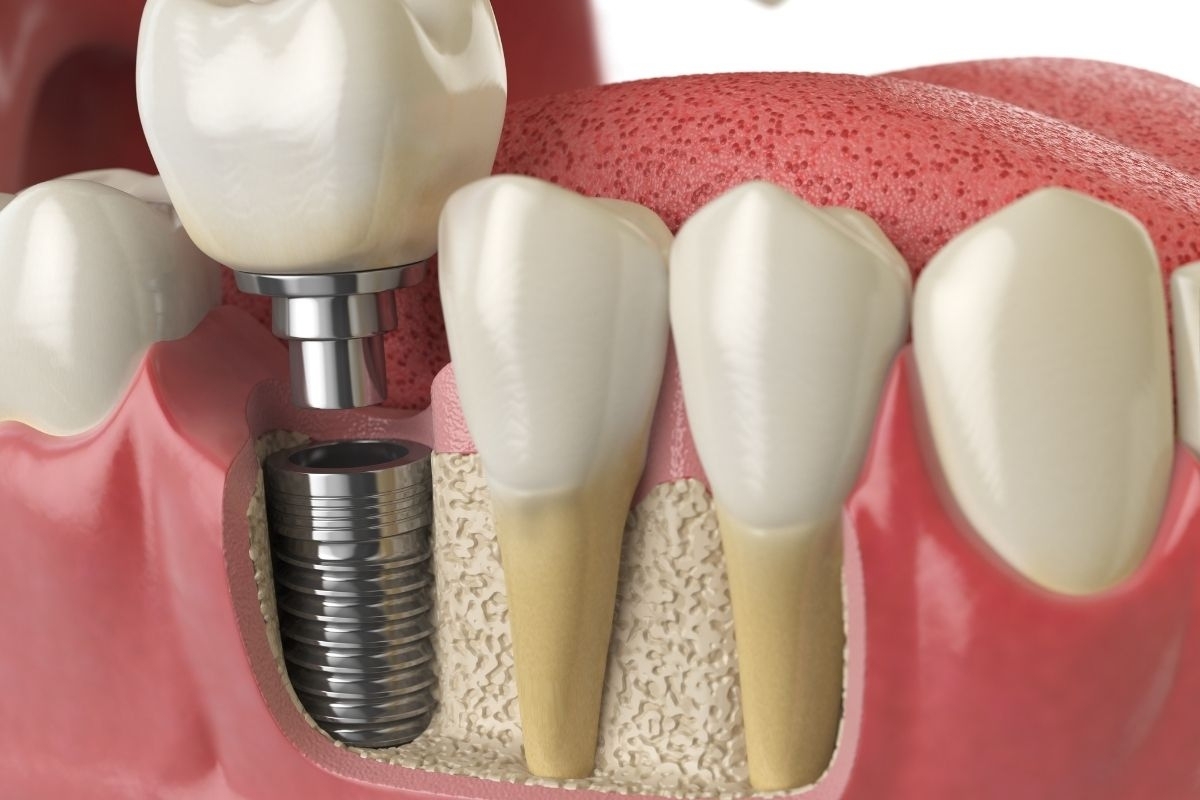
Endosteal implants are the most common type and are placed directly into the jawbone. They are typically made from titanium and shaped like small screws. Once the implant fuses with the bone (a process called osseointegration), a custom crown is attached, creating a strong, permanent tooth replacement.
Best suited for:
- Patients with sufficient jawbone density
- Those seeking a long-lasting and stable solution
- Individuals replacing one tooth, several teeth, or even a full arch
Advantages:
- High success rate
- Feels and functions like natural teeth
- Durable with proper care
Endosteal implants are often the preferred choice if you have healthy gums and adequate bone support.
2. Subperiosteal Implants
Subperiosteal implants are placed under the gum but above the jawbone. Instead of being inserted into the bone, they sit on top of it, supported by a metal framework that holds the replacement teeth in place.
Best suited for:
- Patients who don’t have enough healthy jawbone and prefer not to undergo bone grafting
- Those looking for a quicker treatment process
Advantages:
- Avoids the need for bone graft surgery
- Shorter healing time compared to endosteal implants
- It can be an option for patients with advanced bone loss
This type is less common today but still valuable for specific cases, especially when bone health is a concern.
3. Zygomatic Implants
Zygomatic implants are the least common but the most complex. Instead of anchoring into the jawbone, they are placed into the cheekbone (zygoma). This makes them an option for patients with severe bone loss in the upper jaw who are not candidates for traditional implants.
Best suited for:
- Patients with extreme upper jaw bone loss
- Individuals who want to avoid extensive bone grafting procedures
Advantages:
- Eliminates the need for bone grafts
- Can support a full arch of teeth
- Long-lasting and stable when placed by an experienced dentist
Because of their complexity, zygomatic implants require a specialist with advanced training.
How to Choose the Right Dental Implant?
The best implant type depends on your oral health, bone density, and treatment goals. Your dentist will evaluate your jawbone structure, review your medical history, and discuss your expectations before recommending a treatment plan.
For example, if you’re exploring dental implants in Erie to replace missing teeth, your dentist might suggest endosteal implants for their durability, or subperiosteal implants if you want to avoid bone grafting. In cases of severe bone loss, zygomatic implants might be the most suitable choice.
The Benefits of Dental Implants
Regardless of the type, dental implants offer significant benefits:
- Prevents bone loss and preserves facial structure
- Allows you to eat your favorite foods without worry
- Improves speech clarity
- Boosts confidence with a natural-looking smile
With proper care, dental implants can last for decades, making them a valuable investment in your oral health.
If you’re considering dental implants, our experienced team can help you determine the right solution for your needs. Request an appointment with us or visit our dental office to start your journey toward a confident, complete smile.