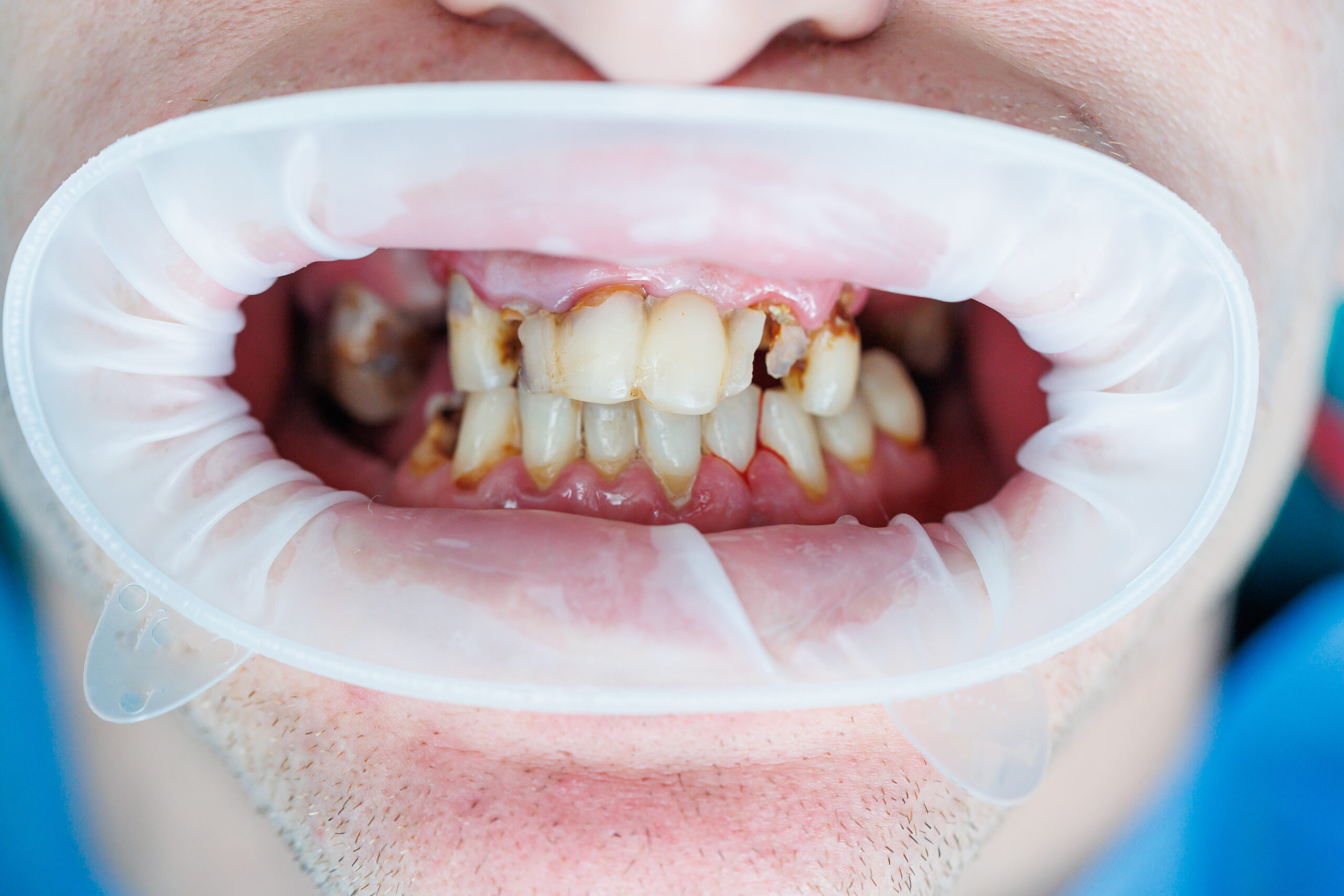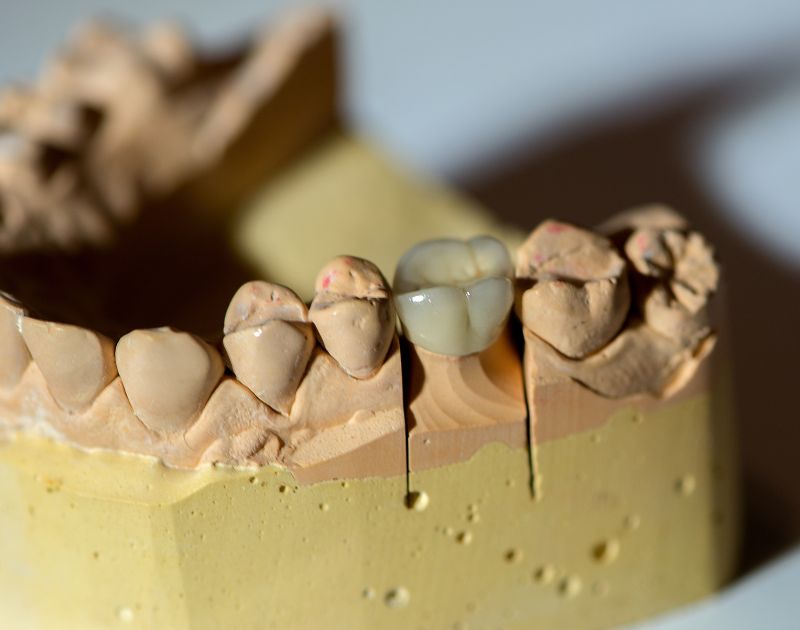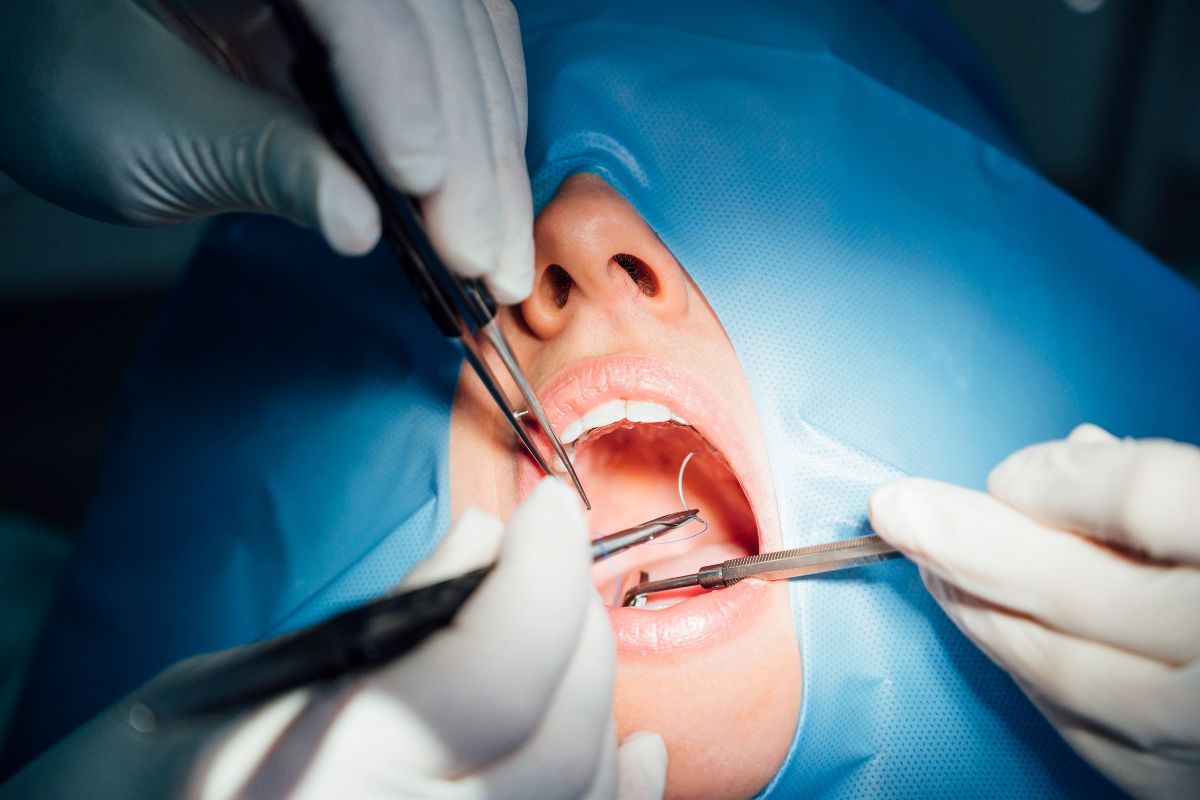

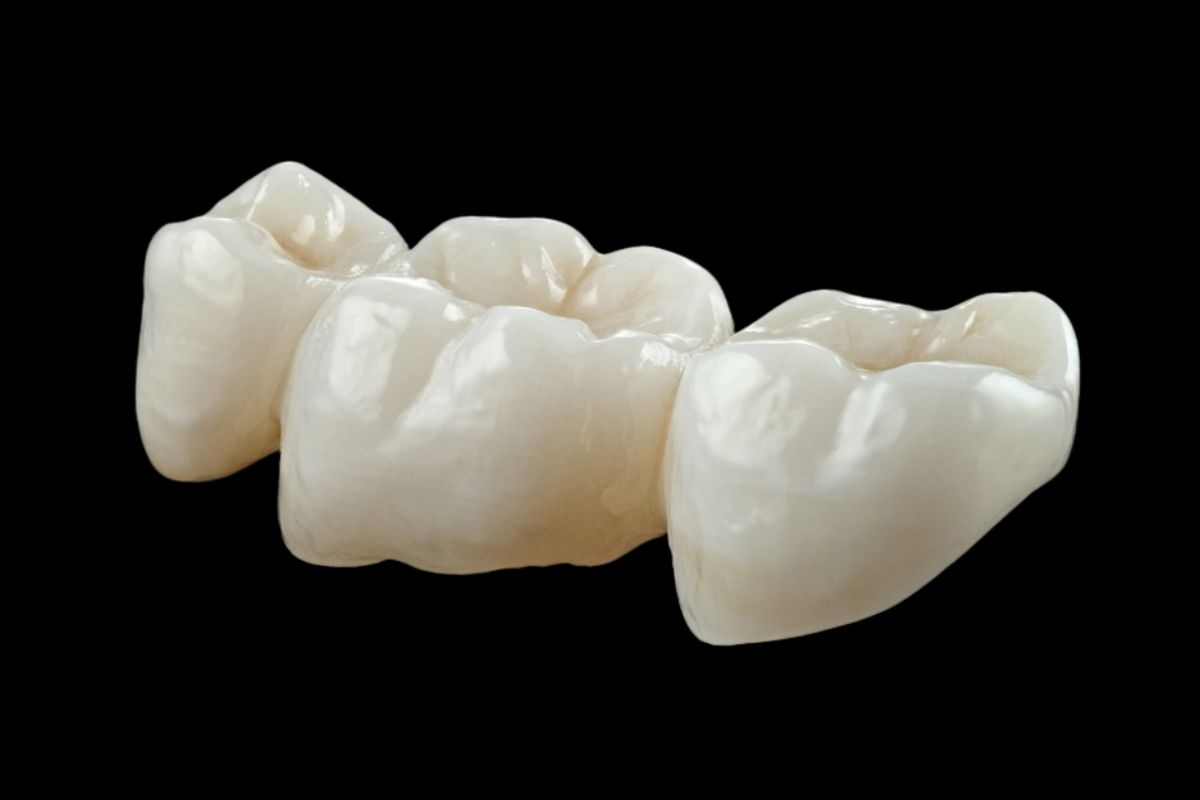
Dental crowns are made to last, but like any everyday item, they can wear down or break over time. If your crown cracks, chips, or suddenly feels loose, it’s completely normal to wonder whether it can be repaired or if you’ll need a full replacement. The good news is that not every damaged dental crown requires starting from scratch—some issues can be fixed quickly and safely.
Below, we’ll walk through when a crown can be repaired, when replacement is the better option, and what steps you should take if something goes wrong.
Why Dental Crowns Get Damaged?
Even strong materials can weaken under the right conditions. A dental crown might become damaged due to:
• Everyday wear – Constant chewing slowly wears down the surface.
• Biting something hard – Ice, popcorn kernels, and hard candies are common culprits.
• Tooth decay under the crown – If bacteria sneak in, they can weaken the tooth holding the crown.
• An improper fit – Older crowns or crowns that were not placed well may shift or loosen.
• Accidents or grinding – A fall or severe clenching can crack a dental crown.
Understanding what caused the damage helps determine whether repair is possible.
Can a Dental Crown Actually Be Repaired?
Yes—sometimes. The repairability depends on the type and extent of the problem.
A chipped dental crown made of porcelain can often be smoothed or bonded. A loose dental crown may only need to be recemented. Small cosmetic issues rarely require replacing the entire crown.
However, this only applies when the underlying tooth is still healthy, and the structure of the crown isn’t severely compromised.
Common Repair Options for Dental Crowns
1. Smoothing Minor Chips
If only the surface of the crown is damaged, your dentist may simply reshape or polish it. This is quick and pain-free.
2. Bonding Small Fractures
A porcelain dental crown with a light crack may be repaired using a bonding material that blends with the rest of the tooth.
3. Recementing a Loose Dental Crown
Sometimes the crown isn’t broken at all—it just needs to be reattached. This happens if the cement wears out or if food debris gets trapped underneath.
4. Treating Decay Beneath the Crown
If decay is present, the crown may be removed, the decay cleaned out, and the same crown may occasionally be reused—though this depends on the crown’s condition.
When a Replacement Is the Only Option?
Not all problems can be fixed. A new dental crown may be necessary if:
• The crown is cracked through the middle
• There’s significant damage to the tooth underneath
• The crown is very old and worn
• The material is too broken to hold a repair
In these cases, repairing the crown wouldn’t provide long-term stability or safety.
What to Do If Your Crown Breaks or Feels Loose
If your dental crown cracks, falls off, or suddenly moves, here’s what you should do:
1. Protect the crown.
If it comes off, keep it clean and store it in a safe place.
2. Avoid chewing on that side.
You don’t want to damage the exposed tooth.
3. Don’t use glue or DIY fixes.
Home adhesives can damage your tooth or crown.
4. Contact your dentist as soon as possible.
Prompt care increases the likelihood of repairing the crown rather than replacing it.
How to Prevent Future Crown Damage?
A few simple habits can extend the life of your dental crown:
• Brush and floss daily to keep the edges of the crown clean.
• Avoid chewing on complex objects like ice or pens.
• Wear a nightguard if you grind your teeth.
• Keep up with regular dental checkups so small problems can be caught early.
With proper care, a well-placed dental crown can last for many years.
Get Durable, Long-Lasting Dental Care – Visit Harborcreek Dental
If your dental crown is chipped, loose, or no longer comfortable, our team at Harborcreek Dental can help you find the best solution for your smile. Whether repair or replacement is needed, we’ll make sure your tooth stays protected and healthy. Request an appointment today to get your crown evaluated and keep your smile in great shape.