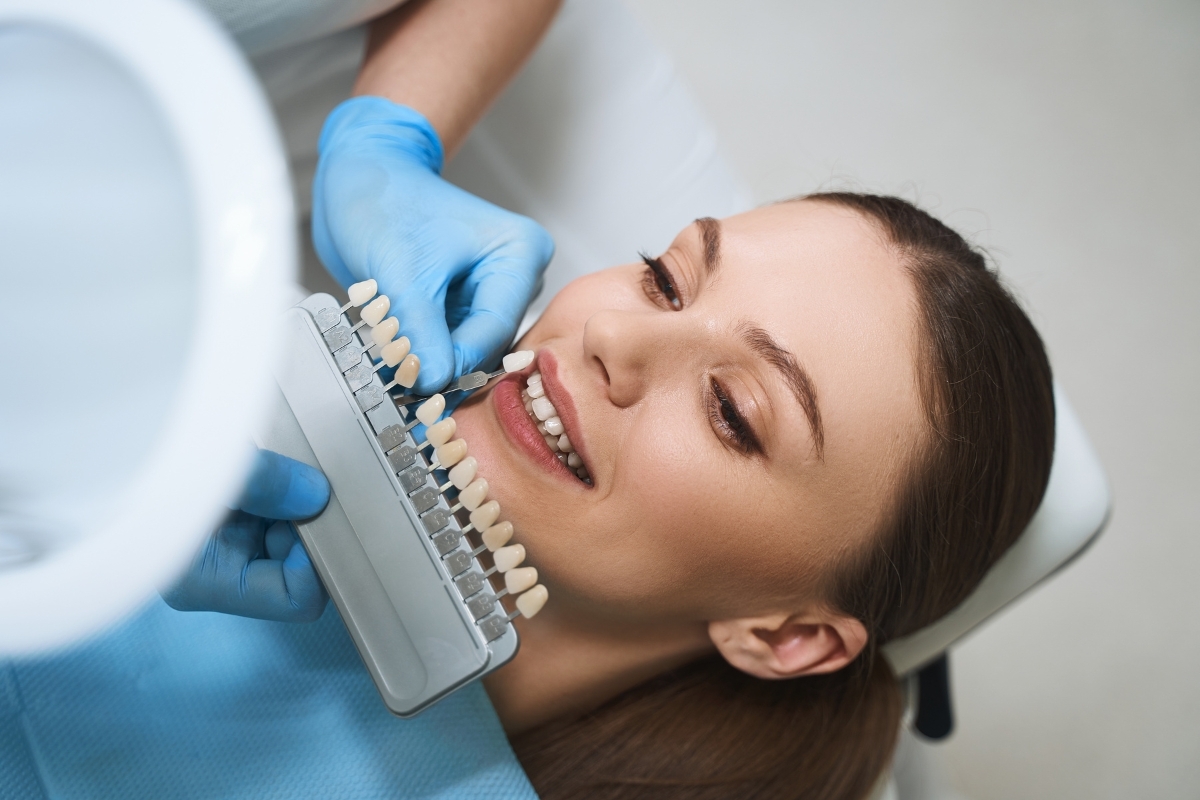


Many people are surprised when their teeth begin looking darker just a few months after whitening. They followed the instructions, avoided obvious mistakes, and invested in improving their smile. Yet the brightness they expected to enjoy for much longer seems to disappear sooner than anticipated.
The truth is that teeth whitening is not a one-size-fits-all treatment. The longevity of your results depends on several factors, including your enamel, oral hygiene habits, diet, age, and even your daily routine. Two people can receive the same whitening treatment on the same day and experience very different outcomes months later.
At Harborcreek Dental, we regularly help patients understand why whitening results vary and what can be done to keep smiles brighter for longer. Dr. Kevin Sambuchino and our team believe that informed patients achieve better long-term outcomes. If you have questions about whitening or would like a personalized assessment of your smile, visit our dental office and schedule an evaluation to learn which whitening approach may be right for you.
Why Do Some Whitening Results Fade Faster?
Whitening results fade faster when new stains accumulate quickly, enamel absorbs pigments more easily, or daily habits continually expose teeth to stain-causing substances.
Whitening treatments remove existing discoloration, but they do not make teeth stain-proof. After treatment, your teeth are still exposed to the foods, beverages, and habits that caused discoloration in the first place.
This explains why some people maintain a bright smile for a year or longer while others notice changes within a few months.
Common Reasons Whitening Results Fade
- Frequent coffee consumption
- Tea and red wine intake
- Tobacco use
- Poor plaque control
- Aging enamel
- Acidic beverages
- Certain medications
- Inconsistent dental cleanings
Does Enamel Affect How Long Whitening Lasts?
Yes. Enamel quality plays a significant role in how long whitening results remain visible.
Enamel is the outer protective layer of the tooth. While it appears smooth, it contains microscopic pores that can absorb pigments over time. Some people naturally have denser enamel, while others have enamel that is more porous and prone to staining.
As enamel becomes thinner with age, the darker dentin underneath becomes more visible. This natural process can make teeth appear less white even when new stains are not present.
In our experience at Harborcreek Dental, patients with healthier enamel and strong preventive habits often retain whitening results noticeably longer than those with significant enamel wear.
Can Dehydrated Teeth Look Whiter Than They Really Are?
Yes. Temporary dehydration immediately after whitening can make teeth appear brighter than their final shade.
Many patients do not realize that whitening temporarily reduces moisture within the tooth structure. This creates a brighter appearance immediately following treatment.
As the teeth naturally rehydrate over the next several days, a slight color rebound can occur. This is completely normal and should not be mistaken for treatment failure.
Understanding this process helps set realistic expectations and prevents unnecessary concern after whitening.
Which Foods and Drinks Cause Whitening Results to Fade?
Dark-colored foods and beverages are among the leading causes of recurring discoloration.
Residents often enjoy coffee during cold mornings near the lakefront or grab beverages while exploring the Bayfront District and Presque Isle. While these habits are part of everyday life, repeated exposure to dark pigments can gradually dull whitening results.
Why These Foods Cause Stains
Acidic beverages can temporarily soften the enamel surface. When dark pigments are introduced during this period, they may adhere more easily to the tooth structure and contribute to discoloration.
Rinsing with water after consuming these items can help reduce staining.
Are All Tooth Stains the Same?
No. Some stains occur on the surface of teeth, while others develop deeper within the tooth structure.
Understanding the difference helps explain why whitening results vary from person to person.
Extrinsic Stains
These stains form on the outer surface of teeth and commonly result from:
- Coffee
- Tea
- Tobacco
- Red wine
- Dark-colored foods
These stains generally respond well to professional whitening.
Intrinsic Stains
These stains develop inside the tooth and may result from:
- Dental trauma
- Certain medications
- Natural aging
- Developmental conditions
Intrinsic discoloration can be more difficult to treat and may require alternative cosmetic solutions.
Does Professional Whitening Last Longer Than Store-Bought Products?
In most cases, yes. Professional whitening treatments generally provide more consistent and longer-lasting results.
Over-the-counter products often contain lower concentrations of whitening ingredients and may not penetrate deeper stains effectively.
Professional Zoom Teeth Whitening at Harborcreek Dental is designed to address both surface and deeper discoloration while being monitored by a dental professional. This allows treatment to be customized based on the patient’s oral health and cosmetic goals.
Patients considering teeth whitening in Erie often choose professional treatment because of its ability to deliver noticeable results safely and predictably.
For additional information about our professional whitening options, patients can explore available treatment details and maintenance recommendations.
Can Poor Oral Hygiene Shorten the Duration of Whitening Results?
Absolutely. Plaque buildup creates an environment where stains can accumulate more quickly.
Even successful whitening results can appear dull if plaque and biofilm are allowed to remain on the teeth.
According to the National Institute of Dental and Craniofacial Research, daily plaque removal is an important component of maintaining both oral health and the appearance of natural teeth.
Habits That Help Maintain Whitening Results
- Brush twice daily
- Floss every day
- Attend routine dental cleanings
- Drink water throughout the day
- Limit tobacco use
- Follow post-whitening instructions
Why Do Some People Keep Their Results Longer?
Genetics can influence tooth color, enamel thickness, and how readily teeth absorb stains.
Some individuals naturally have enamel that resists discoloration more effectively than others.
This is why comparing your whitening results to a friend, spouse, or coworker is rarely helpful. Every smile responds differently based on biological factors and lifestyle habits.
How Can You Make Whitening Results Last Longer?
The best strategy combines professional treatment with ongoing maintenance.
Patients who maintain their whitening results successfully typically focus on prevention rather than correction.
Most Effective Practices for Long-Term Whitening
- Limit stain-causing beverages
- Use a straw when appropriate
- Rinse after consuming dark foods
- Maintain regular dental visits
- Schedule touch-ups when recommended
- Follow personalized maintenance instructions
Many patients seeking teeth whitening in Erie are surprised to learn that small daily habits often influence whitening longevity more than the treatment itself.
When Should You Consider Another Whitening Treatment?
If your smile has gradually lost brightness despite good oral hygiene, it may be time for a professional evaluation.
Discoloration can result from surface stains, intrinsic changes, enamel wear, or other oral health factors. Identifying the cause helps determine the most effective next step.
A comprehensive evaluation allows your dentist to assess your smile and recommend the most appropriate treatment based on your specific needs.
A Brighter Smile Starts with the Right Maintenance Plan
Whitening results do not fade at the same rate for everyone. Enamel quality, dietary choices, oral hygiene habits, age, and lifestyle factors all influence how long your smile stays bright.
If your whitening results disappeared sooner than expected, the issue may not be the treatment itself. A personalized assessment can identify the factors affecting your smile and help create a strategy designed specifically for you.
Book an appointment at Harborcreek Dental. A personalized diagnostic evaluation can help determine the factors affecting your whitening results and identify the most effective path toward achieving and maintaining your ideal smile.
Frequently Asked Questions
1. How long do professional teeth whitening results usually last?
Professional teeth whitening results can last anywhere from several months to a few years, depending on your habits. Diet, oral hygiene, tobacco use, and routine dental care all influence longevity.
2. Why do my teeth look yellow again after whitening?
New stains can develop from coffee, tea, red wine, tobacco, and other pigmented foods. In some cases, natural enamel aging and tooth dehydration after treatment can also affect appearance.
3. Does drinking coffee ruin teeth whitening results?
Coffee does not immediately ruin whitening results, but frequent consumption can contribute to gradual staining. Rinsing with water afterward may help reduce pigment buildup on teeth.
4. Is professional whitening better than store-bought whitening products?
Professional whitening treatments typically provide more noticeable and consistent results. They are customized to your smile and can address deeper stains more effectively than many retail products.
5. Can brushing my teeth more often keep them whiter?
Good brushing habits help remove plaque and surface stains before they accumulate. However, brushing alone cannot prevent all discoloration, especially from deeply pigmented foods and beverages.
6. Are some people naturally more likely to develop tooth stains?
Yes. Genetics, enamel thickness, saliva composition, and natural tooth structure can influence how easily teeth absorb pigments and develop discoloration over time.
7. When should I consider another whitening treatment?
If your smile has gradually lost brightness despite maintaining good oral hygiene, a dental evaluation may be beneficial. Your dentist can determine whether another whitening treatment is appropriate or if another cause is contributing to discoloration.
8. Does whitening work on all types of tooth discoloration?
No. Whitening is generally most effective for surface stains caused by foods, drinks, and tobacco. Internal discoloration resulting from trauma, medications, or aging may require alternative cosmetic treatments.