
Choosing between two smile enhancement options can feel confusing when both can refine tooth shape, shade, and symmetry. The right choice depends on how many teeth you want to update, the type of change you want, and how long you want the result to last. One approach uses tooth-colored resin placed and sculpted directly on enamel. The other uses thin porcelain shells created to cover the visible surfaces of selected teeth.
At Harborcreek Dental, Dr. Sambuchino evaluates tooth health, gums, bite alignment, facial balance, and personal goals before recommending a cosmetic dentistry treatment. Photos and digital records can also clarify how color, contour, spacing, and proportions will work together across your smile. If you are comparing bonding vs veneers, this guide explains how each option works and what may influence your decision.
What Is Dental Bonding?
Cosmetic dental bonding is a conservative procedure that uses tooth-colored composite resin to refine a tooth’s appearance. The resin is applied directly to the tooth, carefully shaped, cured with a curing light, and polished.
A cosmetic dentist may recommend it for:
- Small chips or minor enamel irregularities
- Narrow spaces between teeth
- Slightly uneven tooth edges
- Isolated areas of discoloration
- Teeth that appear shorter than neighboring teeth
This cosmetic dentistry treatment is often completed in one visit. It allows precise changes without requiring a dental laboratory. The resin shade is selected to blend with the surrounding enamel and support a natural-looking smile.
What Are Dental Veneers?
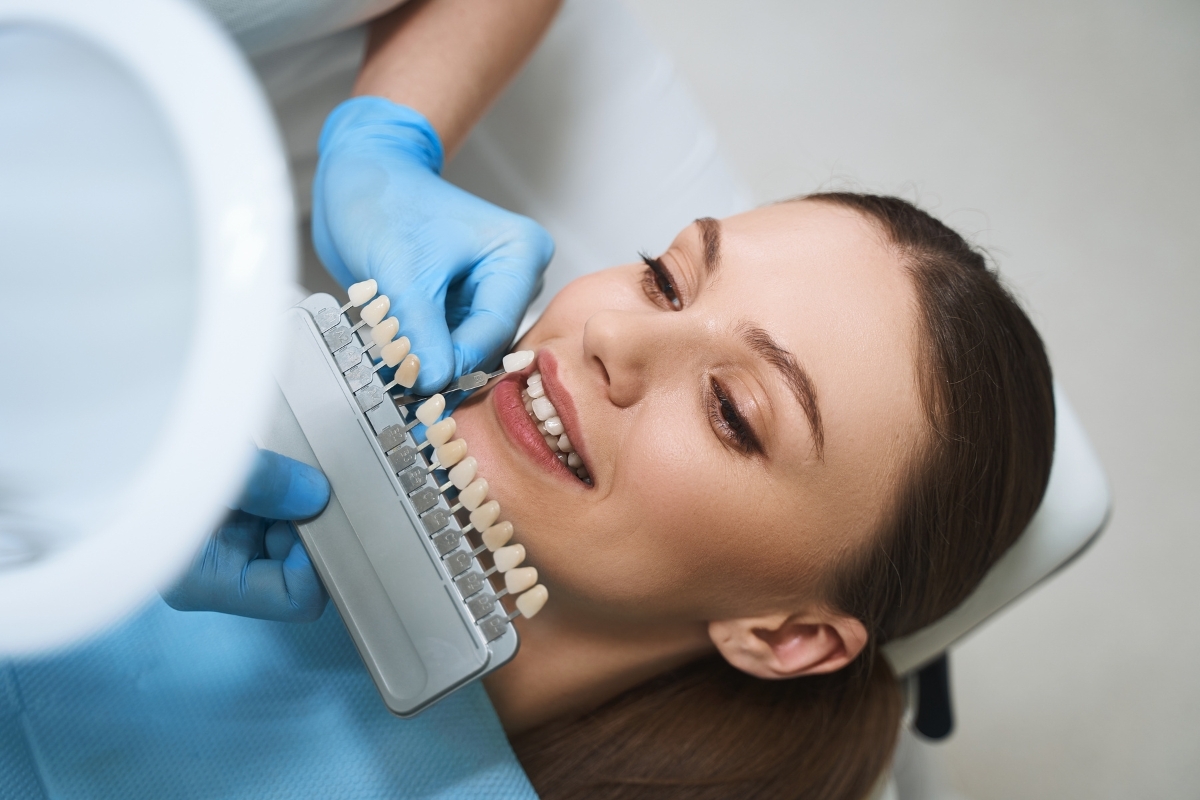
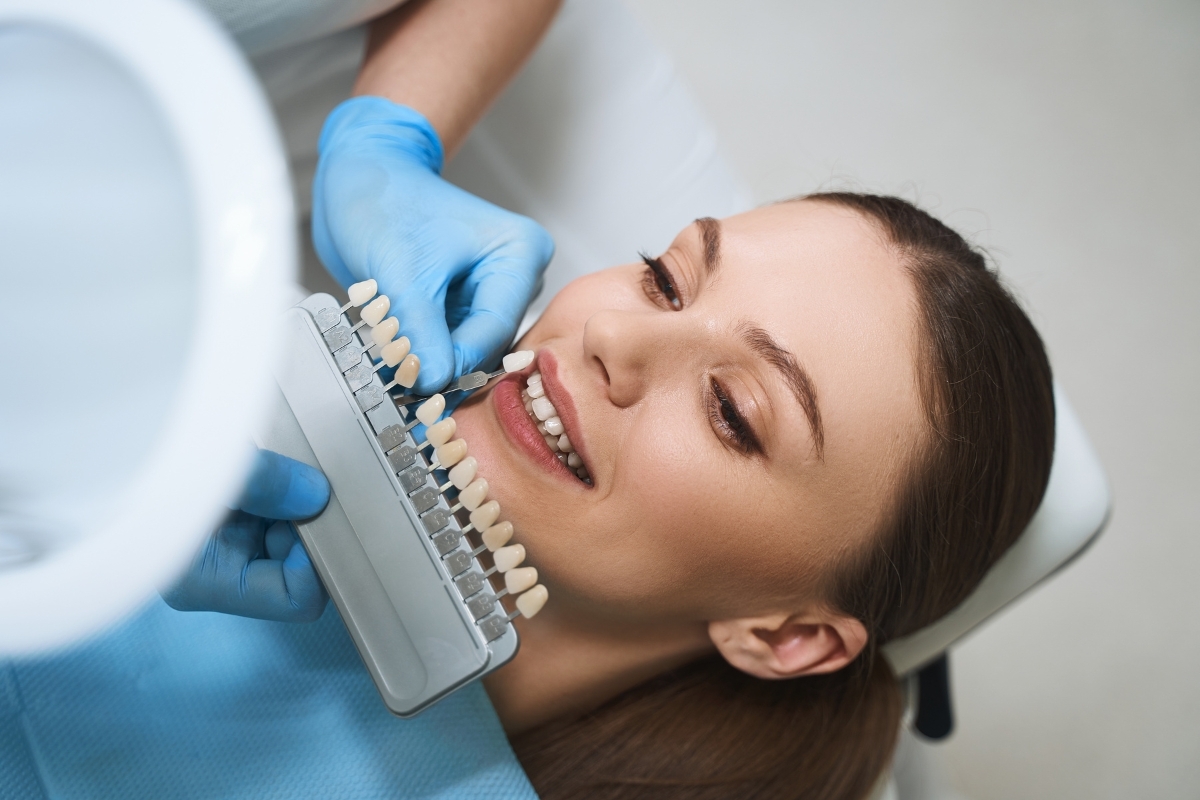
Dental veneers are thin shells placed over the front surfaces of teeth. Porcelain is commonly selected because it can reproduce the color, translucency, and light-reflecting qualities of natural enamel.
They may enhance:
- Persistent tooth discoloration
- Worn or irregular tooth edges
- Small spaces between teeth
- Mild differences in tooth size or shape
- Several visible teeth that need a more uniform appearance
According to the American Dental Association, placing porcelain shells generally involves removing a small amount of enamel, taking an impression or digital scan of the tooth, and checking the final restoration’s fit before it is bonded.
Dental Bonding or Dental Veneers: A Comparison Chart
| Feature | Dental Bonding | Dental Veneers |
| Material | Tooth-colored composite resin | Custom-made porcelain |
| Treatment scope | Focused refinements to selected areas | Coordinated changes across one or more visible teeth |
| Appointment process | Often completed during one visit | Usually involves planning, preparation, and final placement |
| Enamel preparation | Usually minimal | A small amount may be removed |
| Stain resistance | Maintained through polishing and daily care | Porcelain offers strong resistance to surface staining |
| Design potential | Useful for localized corrections | Offers detailed control over shade, length, contour, and symmetry |
| Maintenance | May need polishing or repair over time | Requires routine hygiene and regular dental examinations |
| Reversibility | Often more conservative | Considered an irreversible procedure because of tooth preparation |
How Do You Choose Between These Options?
The bonding vs veneers decision should be based on clinical findings rather than appearance alone. A cosmetic dentist must first confirm that your teeth and gums are healthy enough for elective care.
Consider the Number of Teeth Involved
Composite resin can be useful when one or two teeth need focused refinement. Dental veneers may create greater visual consistency when several teeth across the smile line need coordinated changes.
Think About the Desired Change
Resin can reshape a chipped corner, smooth an irregular edge, or close a narrow space. Porcelain can address multiple concerns together, including color, proportions, spacing, and symmetry. This makes it a versatile cosmetic dentistry care for a broader smile transformation.
Review Your Bite and Oral Habits
The way your teeth meet influences treatment planning. Clenching, grinding, nail biting, and chewing ice can place added pressure on cosmetic materials. A bite assessment helps determine appropriate materials and whether protective measures, such as a nightguard, should be discussed.
Decide How Much Planning You Prefer
Direct resin work allows the material to be shaped chairside. Porcelain restorations involve detailed smile planning, shade selection, tooth preparation, and laboratory fabrication. This process gives the cosmetic dentist substantial control over the final contours and overall balance.
Why Is a Cosmetic Consultation Important?
Online photos cannot reveal decay, weakened enamel, gum inflammation, bite imbalance, or tooth fractures. These conditions may need attention before beginning a cosmetic dentistry treatment.
During a consultation, your dental team can:
- Examine the condition of each tooth
- Review your gum health and bite
- Discuss the number of teeth visible when you smile
- Compare resin and porcelain materials
- Explain tooth preparation and aftercare
- Develop a plan that supports natural-looking proportions
You can visit our dental office to discuss your priorities, review realistic options, and understand why one approach may better suit your smile goals.
How Should You Care for Your New Smile?
Both options benefit from consistent home care. Brush twice daily with fluoride toothpaste, clean between your teeth, and attend routine examinations. Avoid using your teeth to open packages or bite hard objects.
Patients with dental veneers should also report any change in their bite. Regular evaluations allow the dental team to monitor the restorations, supporting teeth, and gumline. Porcelain restorations can provide many years of service when they are planned carefully and maintained consistently.
Explore Porcelain Veneers in Erie, PA
The final choice between bonding and veneers depends on your enamel, bite, treatment area, and vision for your smile. Both procedures can produce attractive results, but porcelain offers extensive control over tooth color, shape, length, and overall harmony.
Harborcreek Dental provides individualized evaluations for patients considering dental veneers in Erie. If you want a refined, cohesive smile transformation, book an appointment to find out whether porcelain restorations are the right cosmetic dentistry treatment for you.
Frequently Asked Questions
1. Do porcelain veneers look like natural teeth?
Yes. Porcelain reflects light in a way that closely resembles natural enamel. The shade, shape, length, and translucency can be planned around your surrounding teeth and facial features for a balanced appearance.
2. Can veneers correct several cosmetic concerns at once?
Porcelain shells can address visible discoloration, worn edges, small spaces, uneven proportions, and mild shape differences together. This makes them useful for patients seeking a coordinated change across several teeth.
3. How long do porcelain veneers last?
Their lifespan varies with bite force, oral hygiene, material, and personal habits. Routine examinations, careful brushing, interdental cleaning, and protection from grinding can help preserve the restorations for many years.
4. Do I need healthy teeth before receiving veneers?
Yes. Your dentist should evaluate enamel, decay, gum health, and bite function before treatment. Addressing active oral health concerns first creates a healthier foundation for long-lasting porcelain restorations.
5. Can porcelain veneers resist coffee and tea stains?
Porcelain is highly resistant to staining from common foods and beverages. However, surrounding natural teeth can still change color, so daily cleaning and regular professional care remain important.
6. Are veneers suitable for chipped or uneven front teeth?
They can be considered for chips, worn edges, uneven shapes, and differences in tooth length. A clinical examination determines whether porcelain coverage can provide the strength, proportions, and appearance you want.