
Hearing the words “you need a root canal” can make anyone nervous, but modern dentistry has made this procedure far more comfortable and practical than most people imagine. A root canal is a standard treatment designed to save a severely infected or damaged tooth. If you’re preparing for one, knowing what to expect can ease your anxiety and help you feel more confident in your treatment.
What Is a Root Canal?
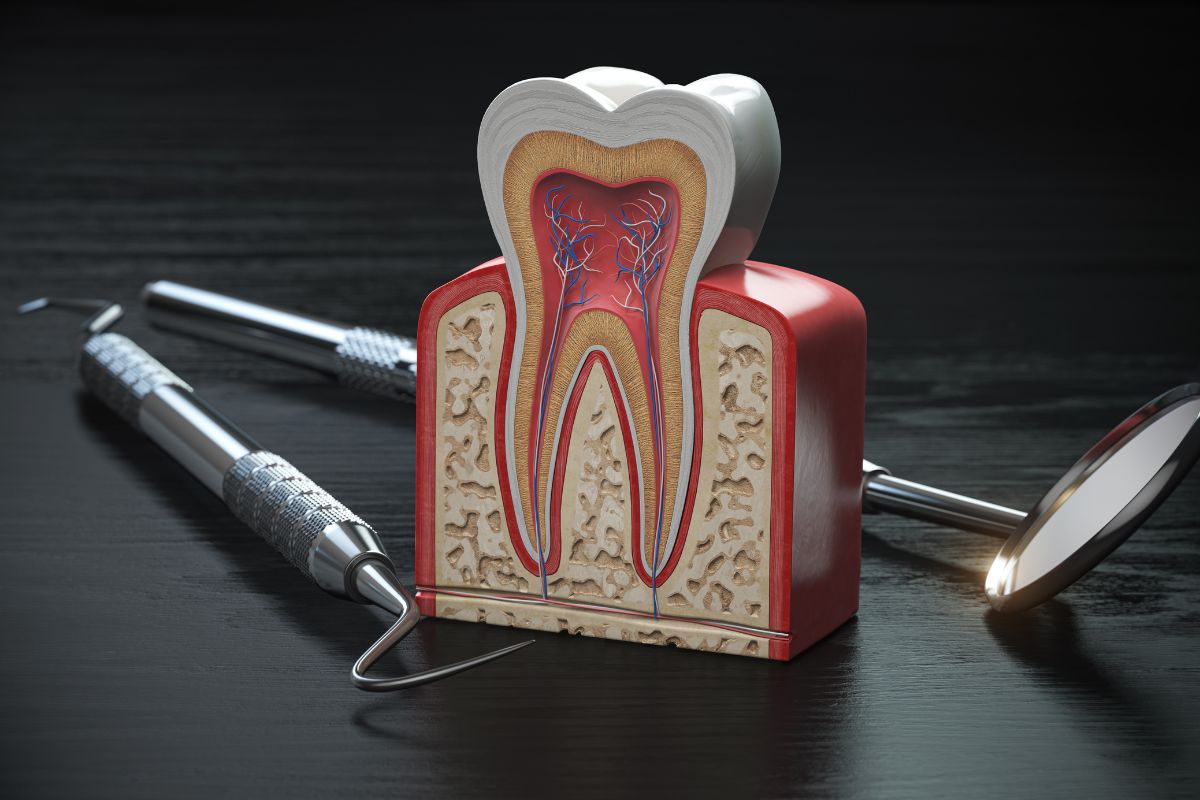
A root canal is a dental procedure used to remove infected or inflamed pulp—the soft tissue inside your tooth that contains nerves and blood vessels. When this pulp becomes damaged due to decay, trauma, or a deep cavity, it can cause intense pain and even lead to abscesses or tooth loss if left untreated.
The goal of a root canal is to clean out the infection, disinfect the interior of the tooth, and seal it to prevent future problems. This not only preserves your natural tooth but also restores its function and appearance.
Before the Procedure
Your dentist will begin with an examination and X-rays to assess the extent of the infection and plan the treatment. You’ll be given a local anesthetic to numb the area around the tooth, ensuring you remain comfortable throughout the process. In some cases, sedation may be offered if you experience dental anxiety or if the procedure is particularly complex.
The Root Canal Process Step-by-Step
Isolation of the Tooth
A small protective sheet called a dental dam is placed over your mouth to keep the tooth dry and free from saliva during the procedure.
Accessing the Pulp
Your dentist will make a small opening in the crown (top) of the tooth to access the pulp chamber and root canals.
Cleaning and Shaping
Using specialized tools, the infected pulp is removed. The inside of the canals is then cleaned and shaped to prepare for filling.
Disinfection
The empty canals are disinfected with antimicrobial solutions to eliminate any remaining bacteria and reduce the risk of reinfection.
Filling the Canals
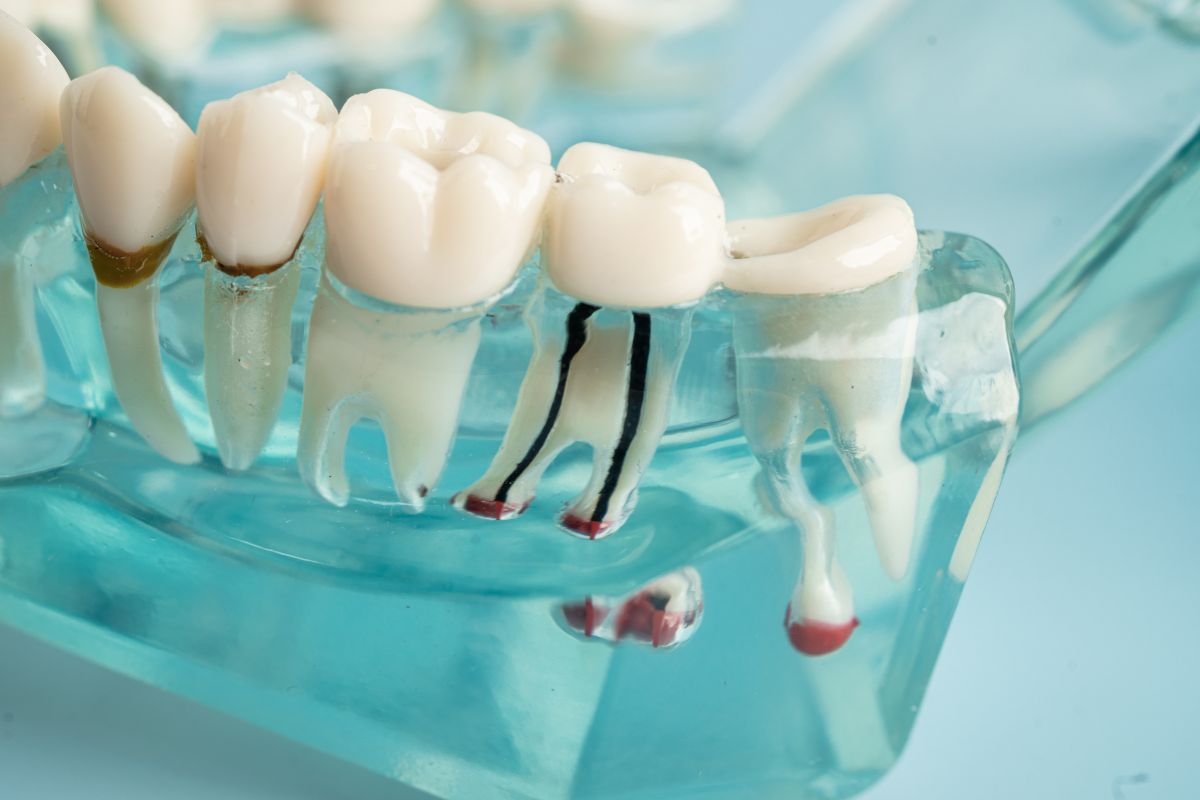
After cleaning, the canals are filled with a rubber-like material called gutta-percha. This seals the space and prevents bacteria from re-entering.
Sealing and Restoration
A temporary or permanent filling is placed on the tooth. In most cases, you’ll return for a crown placement, which strengthens and protects the treated tooth.
This process is typically completed in one or two visits, depending on the complexity of the tooth and the extent of the infection.
Recovery and Aftercare
After a root canal, it’s normal to experience some tenderness or mild discomfort for a few days. Over-the-counter pain relievers are usually sufficient to manage any discomfort. Avoid chewing on the treated side until your tooth has been fully restored with a crown.
Practicing good oral hygiene—brushing, flossing, and regular dental check-ups—will help keep your treated tooth and surrounding teeth healthy.
Midway through your treatment journey, you might hear about root canal therapy Erie as a term used to describe this exact process in your area. Regardless of your location, the steps and care involved remain relatively consistent.
Is a Root Canal Worth It?
Absolutely. A root canal allows you to preserve your natural tooth, maintain proper chewing function, and avoid more invasive procedures like extractions or implants. With proper care, a tooth treated with a root canal can last a lifetime.
Let Us Help You Feel Comfortable
If you’ve been told you need a root canal or you’re experiencing severe tooth pain, don’t put off treatment. At Harborcreek Dental, we prioritize your comfort and dental health. Our experienced team utilizes the latest techniques to ensure your root canal experience is as smooth and pain-free as possible. Let us help you protect your smile—schedule your consultation today.