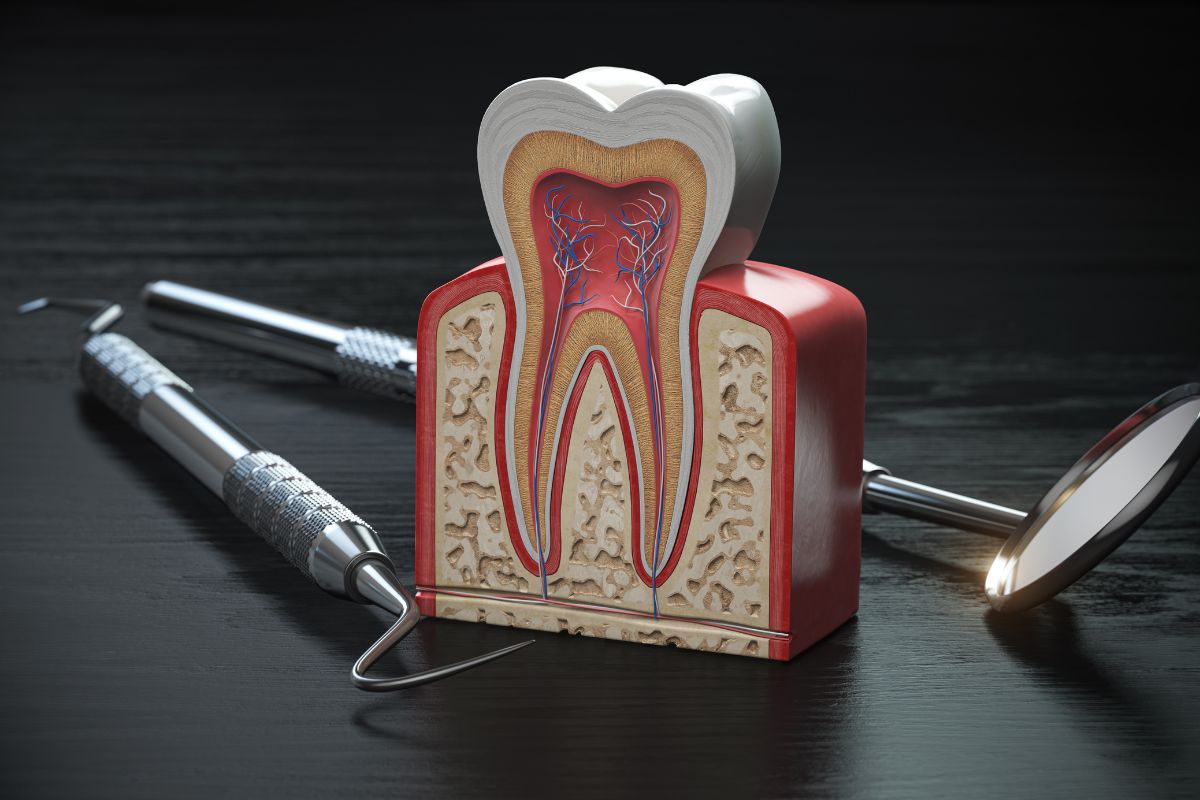


Understanding dental terminology may be likened to understanding a foreign language, mainly when concepts appear interchangeable. Is a root canal and root canal therapy in Erie the same thing? Even though these phrases are frequently used synonymously, knowing the slight differences between them can help you make more educated decisions about the health of your mouth.
Understanding Terminology: Root Canal vs. Therapy
Root canal: This statement describes the internal anatomical anatomy of the tooth. It contains the pulp, a soft tissue in teeth that is responsible for growth and feeling. The pulp comprises connective tissue, blood vessels, and nerves.
The dental technique called “root canal therapy” treats problems inside the root canal. To prevent future infection and protect the tooth, it entails extracting the inflamed or damaged pulp, cleaning and sanitizing the canal, and sealing it.
Thus, root canal therapy refers to the procedure used to treat the interior chamber of the tooth. Maintaining open lines of communication and preventing misunderstandings with your Erie requires that you comprehend this distinction.
Understanding the Need for Root Canal Therapy
For several reasons, the people of Erie may require root canal therapy.
Deep tooth decay: When decay reaches the pulp and produces inflammation or infection, root canal therapy is usually necessary to prevent the disease from worsening and possibly resulting in tooth loss.
Dental injury: If a cracked or fractured tooth exposes the pulp and is infected, root canal therapy can be necessary to preserve the tooth.
Severe toothache: If a chronic toothache indicates pulp inflammation or infection, a root canal treatment may be required to reduce pain and prevent further problems.
The Root Canal Therapy Process: What to Anticipate
If your Erie dentist advises root canal therapy, knowing what to expect will help ease your fears:
Diagnosis and consultation: At the initial appointment, your dentist will perform tests and thoroughly examine your teeth to confirm the diagnosis and choose the best course of action. X-rays may be taken to determine the tooth’s anatomy and the degree of the infection.
Anesthetic: To provide a pleasant operation, local anesthetic is used to numb the region surrounding the tooth.
Getting to the pulp: A tiny hole is meticulously made in the tooth’s crown to reach the affected pulp.
Extracting the pulp: Using specialized equipment, the dentist gently extracts the diseased or inflammatory pulp tissue from the root canal.
Cleaning and disinfection: The root canals are carefully cleansed and sanitized to eradicate leftover bacteria and prevent further illness.
Sealing and filling: To prevent further issues, the canals are cleansed, sterilized, and filled with a biocompatible substance.
Restoration: A crown or other restoration is usually placed on a tooth to restore its structure, function, and appearance.
Following a root canal in Erie, you may have some soreness, but this is treatable with medicine and good hygiene. Your dentist will give you thorough instructions on promoting healing and avoiding issues.
Beyond Terminology: The Importance of Early Intervention
Even though root canal therapy in Erie is a successful treatment for saving teeth, it’s critical to stress the value of preventative dental care. Routine dental checkups and cleanings, along with good oral hygiene habits like brushing and flossing, can help avoid the need for root canals by spotting and treating such issues early on.
Conclusion: Knowledge Empowers Choice
It allows you to make well-informed decisions about your dental health when you know the difference between a root canal and a root canal treatment and the rationale for this operation. For a diagnosis and treatment plan, make an appointment as soon as possible with your Erie dentist if you encounter any symptoms, such as sensitivity or toothache, that point to a potential issue. You can guarantee a confident and healthy smile for the rest of your life with proactive maintenance and good communication with your dentist.