

Tooth decay doesn’t happen overnight, but it can quickly escalate into a serious dental problem once it sets in. Rotten teeth not only affect your appearance but can also impact your overall health if left untreated. Fortunately, several ways exist to save rotten teeth and restore them to a healthy, functional state.
This guide will explore the causes of rotten teeth, the signs you shouldn’t ignore, and how dentists can help you avoid extractions through procedures like root canal therapy.
What Are Rotten Teeth?
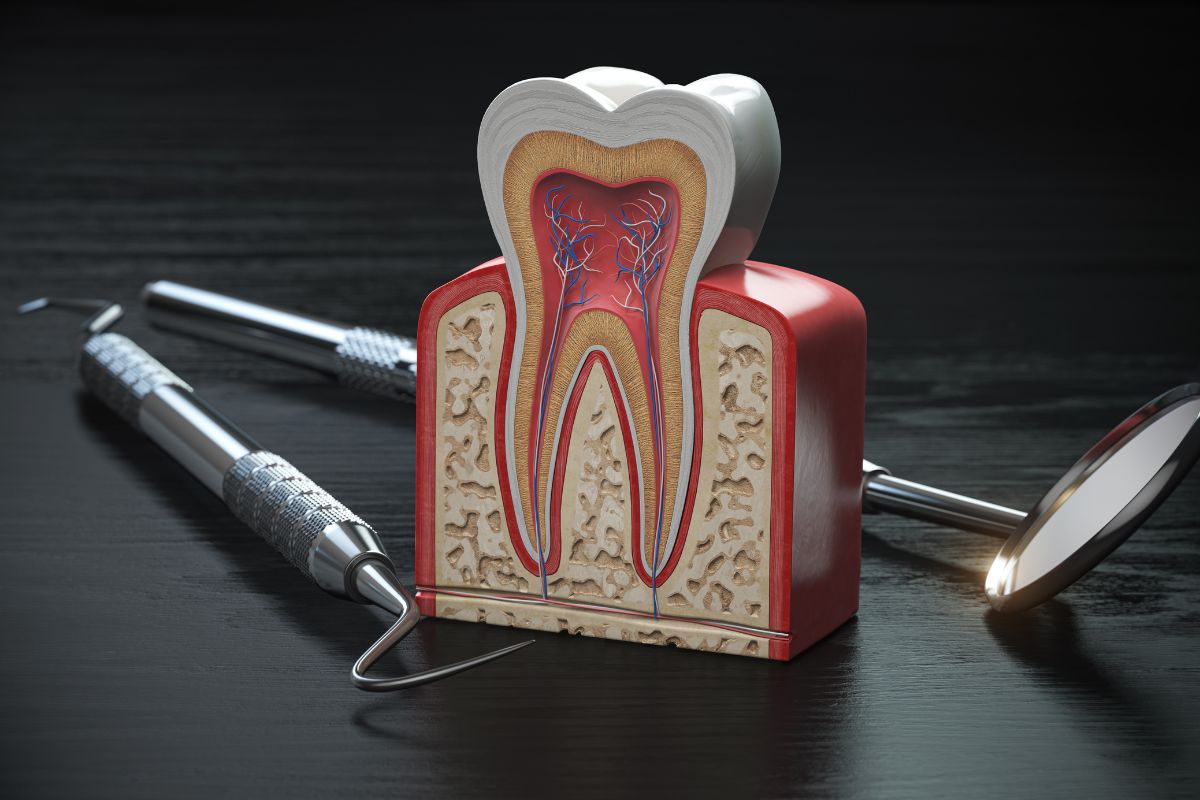
Rotten teeth are teeth that have suffered significant decay due to the buildup of plaque and bacteria. This decay weakens the tooth structure and can eventually lead to infection in the pulp (the innermost layer of the tooth containing nerves and blood vessels).
Some common signs of tooth decay include:
- Persistent toothache or sensitivity
- Discoloration or black spots on the tooth
- Bad breath or an unpleasant taste
- Swelling or pus around the gums
- Cracks or visible holes in the tooth
If any of these symptoms sound familiar, seeking dental care right away is important. Early intervention is key to saving the tooth.
How Dentists Can Save Rotten Teeth?
Dentists have a variety of techniques to treat and preserve decayed teeth, depending on the severity of the condition.
1. Fillings
When caught early, cavities can be treated with dental fillings. The decayed portion of the tooth is removed, and the hole is filled with a durable material such as composite resin or amalgam to restore its shape and function.
2. Inlays and Onlays
For moderate decay that’s too extensive for a simple filling but doesn’t require a full crown, dentists may use inlays or onlays. These custom-made restorations fit into or over the affected part of the tooth and offer a strong, long-lasting solution.
3. Root Canal Therapy
When decay reaches the pulp of the tooth, a filling or onlay is no longer sufficient. In these cases, root canal therapy is often the best way to save the tooth.
During a root canal, the dentist:
- Removes the infected pulp
- Cleans and disinfects the root canals.
- Fills and seals the space with biocompatible material
- Places a crown to protect the tooth from further damage
Despite its reputation, root canal therapy is a safe, relatively painless procedure that can save a tooth that would otherwise need to be extracted.
4. Crowns
If the tooth is significantly weakened or cracked, a dental crown can be placed over it to restore strength and function. Crowns are often used after root canal treatment to protect the remaining structure and prevent future damage.
What Happens If Rotten Teeth Are Not Treated?
Neglecting rotten teeth can lead to:
- Severe infections
- Abscesses
- Tooth loss
- Bone loss in the jaw
- Spread of infection to other parts of the body
Delaying treatment may make restorative procedures more complicated, costly, and ineffective. That’s why seeing your dentist at the first sign of trouble is essential.
Prevention Is Always the Best Medicine
While modern dental techniques make saving even severely decayed teeth possible, prevention is still the best approach. Here are a few tips to keep your teeth healthy:
- Brush and floss daily
- Limit sugary foods and drinks.
- Visit your dentist twice a year.
- Don’t ignore tooth pain or sensitivity.
If you’re dealing with tooth decay or suspect a rotten tooth, don’t wait until it’s too late. Our dental team is here to help you restore your smile with safe, effective treatment options—including root canal therapy, crowns, and more.
Request an appointment today and take the first step toward saving your teeth and protecting your oral health.