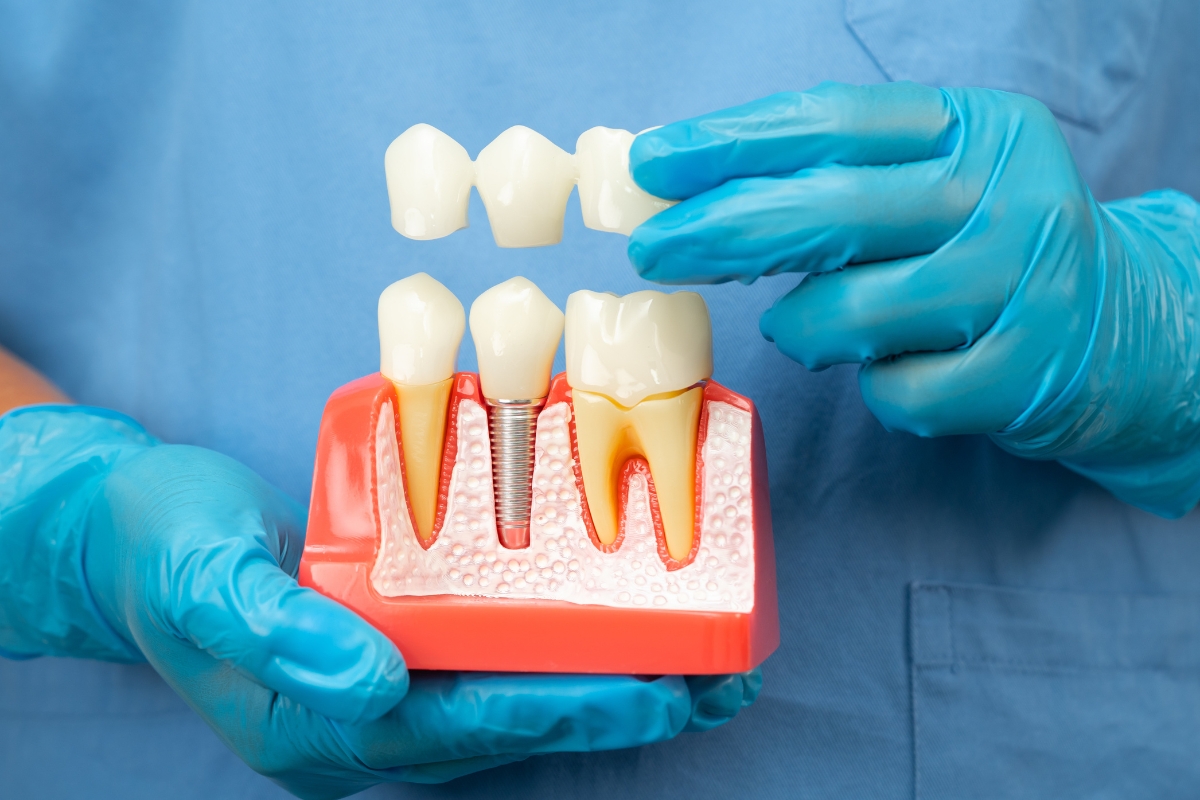


Missing teeth can affect your ability to chew, speak clearly, and smile confidently. If you’re considering a long-term solution, dental implants may be the ideal choice. Unlike dentures or bridges, implants offer a permanent and natural-looking restoration. However, not everyone is a candidate for this treatment. This blog will walk you through the important factors to help you decide if dental implants are right for you.
What Makes Dental Implants a Popular Choice?
Dental implants closely mimic natural teeth in both appearance and function. They integrate with your jawbone, provide excellent stability, and don’t rely on neighboring teeth for support, making them one of the most reliable and durable options for tooth replacement.
1. Assessing Your Oral Health
Your overall oral health plays a major role in determining whether you qualify for dental implants. Healthy gums and a disease-free mouth are essential for the success of implant placement. If you suffer from gum disease, infections, or untreated cavities, these issues must be addressed before considering implant surgery.
A thorough dental evaluation will help your provider assess the condition of your teeth and gums. Early treatment of any underlying conditions can increase your eligibility for implants.
2. Jawbone Density and Structure
Dental implants are surgically inserted into the jawbone, so adequate bone density is required to support them. If your jawbone has deteriorated due to prolonged tooth loss or injury, you may need a bone grafting procedure to rebuild the structure.
In cases where bone loss is severe, your dentist might suggest alternatives, but many patients with moderate loss can still be eligible for dental implants in Erie after preparatory procedures.
3. Commitment to Oral Hygiene
Implants may look and feel like natural teeth, but they still require dedicated care. Good oral hygiene practices are crucial for maintaining implant health. This includes:
-
Brushing twice daily
-
Flossing around the implant area
-
Regular professional cleanings and check-ups
Poor oral hygiene can lead to gum inflammation, infection, and even implant failure.
4. Your Lifestyle and Habits Matter
Certain habits can affect the longevity and success of your implants. Smoking, for example, reduces blood flow and slows healing, increasing the risk of complications. Other habits, like teeth grinding (bruxism) or clenching, can put undue stress on your implants and may require special precautions or treatment.
Be open with your dentist about your habits so they can provide the best guidance and care plan for your situation.
5. Understanding Cost and Insurance Coverage
Dental implants are a long-term investment in your oral health and overall well-being. While they tend to have higher upfront costs than dentures or bridges, they often last significantly longer and provide superior function and comfort.
Insurance coverage for implants varies, but many providers now offer partial benefits or flexible payment options. Be sure to check with your insurance company and ask your dental provider about financing solutions that fit your budget.
6. Personal Goals and Preferences
Your lifestyle, expectations, and aesthetic goals should all influence your decision. Dental implants provide unmatched stability, appearance, and confidence. If you’re looking for a permanent, natural-looking solution and are willing to commit to proper care, implants may be your best choice. For those seeking a non-surgical or temporary fix, traditional dentures or bridges might be preferable.
Conclusion: Ready to Take the Next Step?
Dental implants offer a safe, effective, and long-lasting solution for missing teeth—but they’re not for everyone. By evaluating your oral health, bone density, lifestyle, and personal preferences, you can determine whether implants are the right path for your smile.
At Harborcreek Dental, our team is here to guide you every step of the way—from consultation to aftercare. Request an appointment today and find out if dental implants are right for you.