

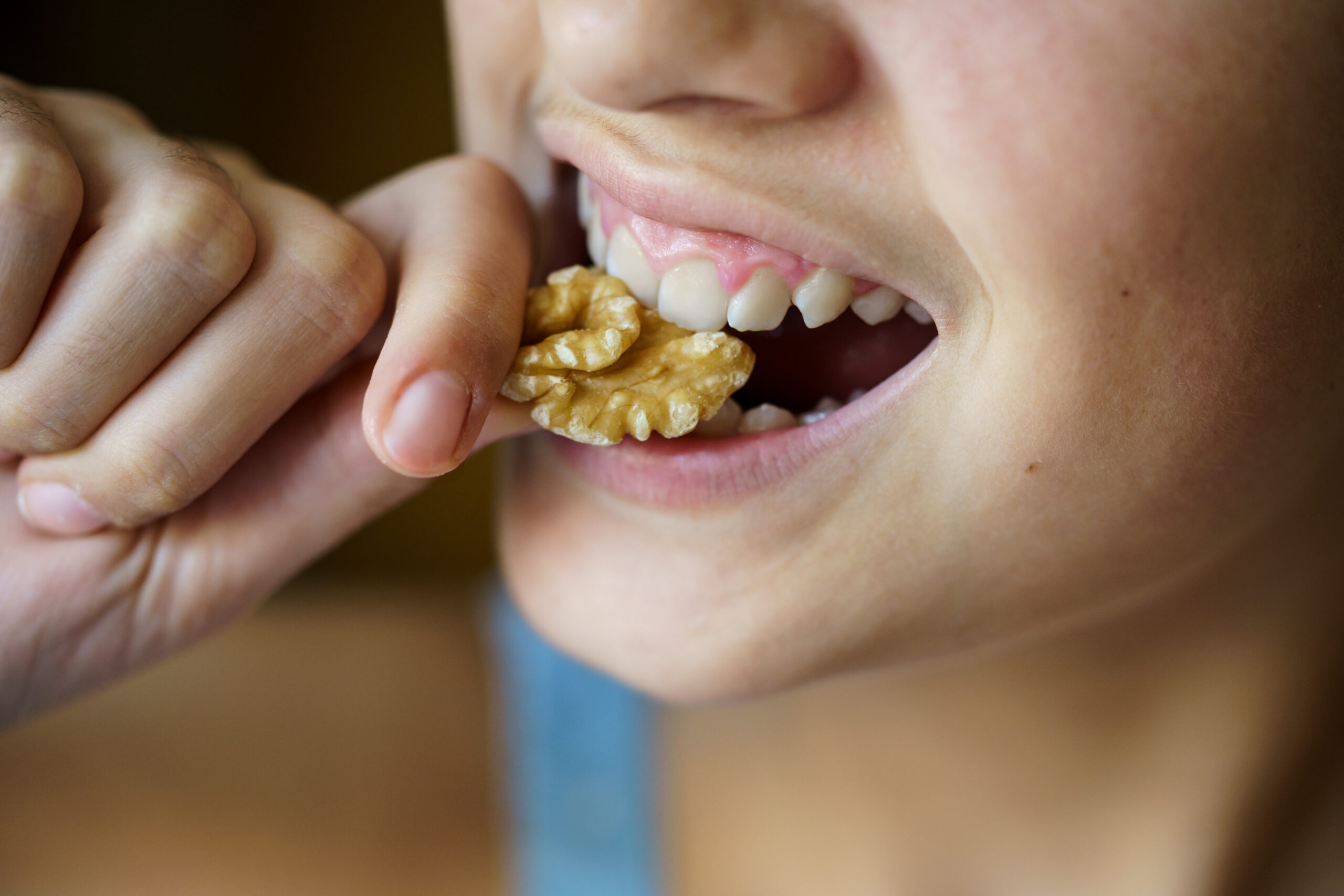
It’s something many people experience but rarely think much about. You finish a meal and feel a small piece of food lodged between your teeth. You might try to ignore it, hoping it will come out on its own, or quickly pick at it and move on with your day. Parents often notice their kids dealing with the same thing after snacks or dinner but assume it’s harmless.
In reality, this small, everyday issue can sometimes point to something more. It’s a concern dentists hear about often during routine visits, even when patients don’t think it’s important to mention. For families living in Erie or nearby areas like Harborcreek, Millcreek, Wesleyville, and Lawrence Park, paying attention to these small changes can help prevent bigger dental issues over time. If you’ve ever wondered whether it’s worth addressing, you’re not alone—and it’s a good question to ask any dentist in Erie.
Small concerns like food getting stuck can also affect how comfortable people feel during routine dental visits, especially if they already deal with sensitivity or flossing challenges.
Here’s how one patient described their experience:
I had to find a new dentist since my insurance changed. I’m a new patient at Harborcreek Dental. I have sensitive teeth and dread getting my teeth cleaned. I hate to floss and had plaque build up (took over six months to get an appointment). Carolyn was my hygienist and she was excellent! I did not experience any discomfort and Dr. Johnson was thorough. I am glad I chose this dental practice.
Why Food Getting Stuck Between Teeth Shouldn’t Be Ignored
Food getting stuck occasionally can happen to anyone. But when it starts happening often, especially in the same spot, it can be a sign that something has changed.
This could be related to the way your teeth fit together, the health of your gums, or even wear and tear over time. These small changes aren’t always noticeable right away, but trapped food can be one of the first clues.
Paying attention early helps prevent more complicated issues later, especially for busy families in the Erie area who may not always have time to address dental concerns right away.
What Causes Food to Get Trapped Between Teeth
There are several common reasons why food may start getting stuck more frequently:
- Gaps between teeth: Even slight spacing can allow food particles to lodge easily
- Gum recession: As gums pull back, small pockets can form where food collects
- Tooth wear or shifting: Over time, teeth naturally shift or wear down, changing how they contact each other
- Old dental work: Fillings, crowns, or other restorations may no longer fit as precisely as they once did
These changes can happen gradually, which is why many people don’t notice them until discomfort starts.
How Trapped Food Can Affect Your Oral Health
When food remains stuck between teeth, it creates an ideal environment for bacteria to grow. Over time, this can lead to:
- Bacteria buildup: Leading to plaque accumulation
- Gum irritation: Causing redness, tenderness, or swelling
- Bad breath: Persistent odor due to trapped debris
- Increased cavity risk: Especially between teeth where brushing may not reach
What starts as a minor annoyance can slowly develop into a more significant concern if left unaddressed.
Signs That It’s More Than Just Food Stuck
It’s helpful to know when trapped food might indicate something beyond a simple inconvenience. Watch for:
- Pain or pressure in a specific area
- Gums that bleed when flossing or eating
- A persistent bad taste that doesn’t go away
- Food repeatedly getting stuck in the same spot
These are signs that your teeth or gums may need closer attention.
Why This Is Important for Children and Families
For children, this issue can be easy to miss. Kids may not always explain discomfort clearly, or they may simply ignore it.
With frequent snacking, school lunches, and busy routines, food getting stuck between teeth can happen often. Over time, this may affect gum health or lead to cavities between teeth—areas that are harder to clean.
For families in Erie and nearby areas like Harborcreek, building awareness around these small signs can make a meaningful difference in long-term oral health.
How Dentists Identify and Treat Areas Where Food Gets Stuck
When a patient mentions food getting trapped, a dentist takes a closer look at several factors.
First, the spacing between teeth and the condition of the gums are evaluated. Even subtle changes can explain why food is getting caught more often.
Next, existing dental work such as fillings or crowns is checked to ensure everything still fits properly. Sometimes, minor adjustments can improve how teeth come together.
Dentists may also recommend specific flossing tools or techniques, especially for areas that are harder to reach. In some cases, preventive corrections can help reduce the likelihood of food trapping in the future.
The goal is always to understand the cause and guide patients toward simple, practical solutions.
Paying Attention to Small Changes in Your Mouth
It’s easy to overlook something like food stuck between your teeth, especially during a busy day. But noticing patterns—like discomfort in the same area or frequent buildup—can help you stay ahead of potential problems.
If you’ve been experiencing this regularly or have questions about what you’re noticing, it may be helpful to talk it through. You can visit our Erie dental office to have the area checked and better understand what might be causing it.
FAQs
Is food getting stuck between teeth a sign of a problem?
It can be. Occasional food trapping is normal, but frequent or repeated issues in the same area may indicate changes in your teeth or gums.
Can trapped food cause cavities?
Yes. When food stays between teeth, it allows bacteria to grow, increasing the risk of cavities—especially in areas that are harder to clean.
What should I do if food keeps getting stuck in the same place?
It’s a good idea to have it evaluated. A dentist can determine if spacing, gum health, or dental work is contributing to the issue.
Are there tools that help remove trapped food safely?
Yes. Floss, interdental brushes, and water flossers can help remove debris gently without harming your gums.
Should children be checked for this issue?
Yes. Since children may not always communicate discomfort clearly, regular dental visits can help identify and address these concerns early.