

For many families, daily routines move quickly. Between work schedules, school activities, and weekend plans around the Lake Erie shoreline, it can be easy for oral health habits to become rushed or inconsistent. Parents often remind children to brush before school, and adults frequently ask during appointments whether they’re doing enough to keep their teeth healthy.
In conversations with patients, one guideline often helps simplify preventive care: the 2-2-2 rule. It’s a straightforward routine many dental professionals recommend to help people maintain healthy teeth and gums without overcomplicating daily habits. Patients who visit a local dental office serving the Eriecommunity for routine dental care often hear this guideline because it’s easy to remember and supports long-term oral health.
What Is the 2-2-2 Rule for Oral Health?
The 2-2-2 rule is a simple approach to maintaining oral health:
- Brush two times each day
- Brush for two minutes each time
- Visit the dentist two times per year
These three steps form the foundation of preventive dental care. Rather than focusing on complicated routines, the rule encourages consistency. Brushing removes plaque that builds up during the day and overnight, while regular dental visits allow professionals to monitor oral health and address concerns early.
For many adults and families, following this guideline provides a reliable structure that helps prevent cavities, gum inflammation, and other common dental concerns.
Why Brushing Twice a Day Matters
Plaque begins forming on teeth shortly after eating or drinking. If it remains on the teeth for long periods, it can contribute to cavities and gum irritation.
Brushing in the morning helps remove plaque that accumulates overnight. It also refreshes the mouth and prepares the teeth for meals and beverages throughout the day.
Brushing again before bedtime is equally important. During sleep, saliva production decreases, which means bacteria can grow more easily in the mouth. Cleaning the teeth before bed removes food particles and plaque that could otherwise remain on the teeth for hours.
For patients balancing busy work commutes, school mornings, and evening routines, simply staying consistent with twice-daily brushing can make a meaningful difference in long-term oral health.
Why Two Minutes of Brushing Makes a Difference
Many people brush regularly but do so quickly. Rushing through brushing often means certain areas are missed, especially the back teeth and gumline.
Spending two full minutes brushing allows time to clean all surfaces of the teeth:
- Front surfaces
- Back surfaces
- Chewing surfaces
- Along the gumline
- Hard-to-reach molars
Dentists often see patients who brush daily but still develop plaque buildup because brushing time is too short. A two-minute routine encourages slower, more thorough cleaning and allows fluoride toothpaste to interact with the enamel effectively.
Using a timer, an electric toothbrush with a built-in timer, or dividing the mouth into sections can help make the two-minute habit easier to maintain.
Why Visiting the Dentist Twice a Year Supports Long-Term Oral Health
Even with consistent brushing and flossing, professional care remains an important part of oral health.
Routine dental visits typically include:
- Professional cleanings that remove hardened plaque (tartar)
- Early identification of cavities
- Monitoring gum health
- Evaluating changes in the teeth and bite
- Preventive guidance tailored to the patient
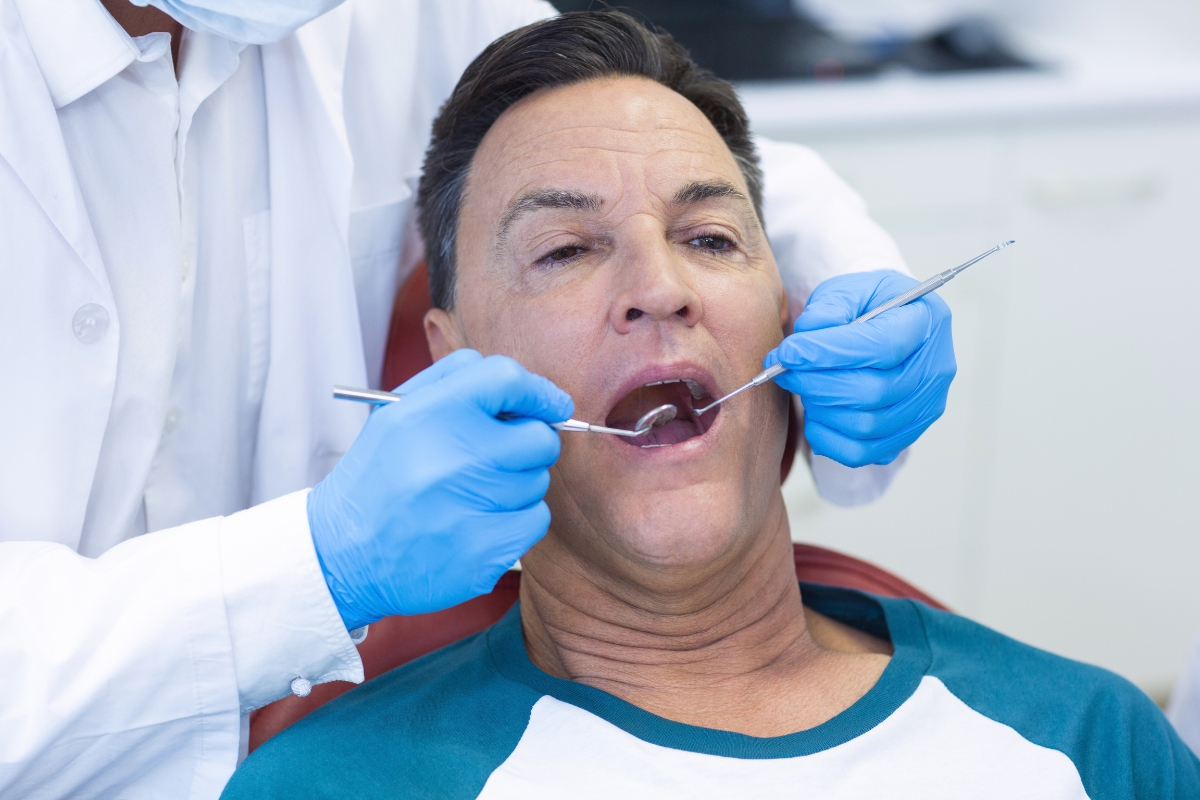
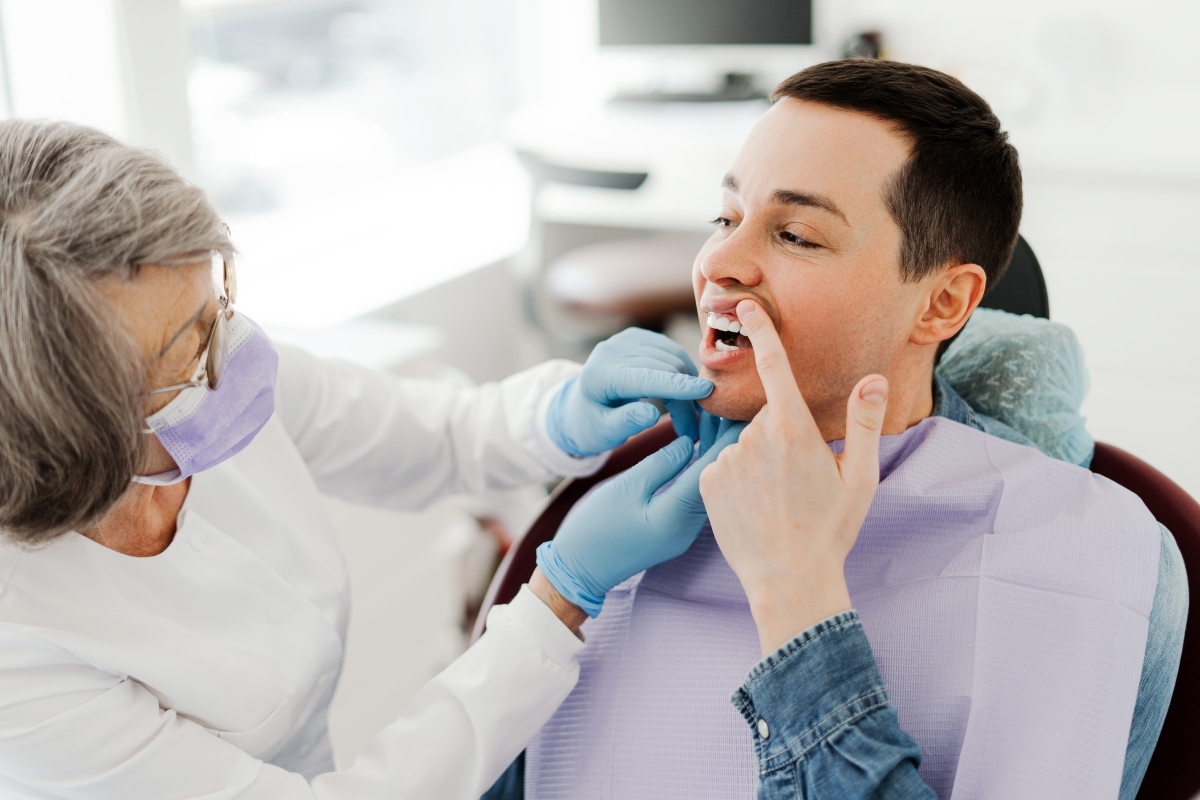
These visits also allow dentists to identify small concerns before they become more complex problems. For many individuals and families in communities like Harborcreek or Millcreek, maintaining twice-yearly visits helps support steady, preventive care.
Small Daily Habits That Strengthen the 2-2-2 Rule
While the 2-2-2 rule forms the foundation of good oral hygiene, a few additional habits can further support healthy teeth and gums.
Floss regularly
Flossing removes plaque and food particles between teeth where toothbrush bristles cannot reach.
Use fluoride toothpaste
Fluoride strengthens enamel and helps reduce the risk of cavities.
Drink water after meals
Water helps rinse away food debris and neutralize acids.
Limit sugary snacks and drinks
Frequent sugar exposure increases the risk of tooth decay.
Replace toothbrushes regularly
A toothbrush should generally be replaced every three to four months, or sooner if the bristles appear worn.
These small daily practices often work best when paired with the consistent routine encouraged by the 2-2-2 rule.
How Dentists Support Preventive Oral Health
Preventive dental care focuses on identifying potential issues early and helping patients maintain healthy habits over time.
During routine visits, dentists often:
- Monitor changes in teeth and gum health
- Identify early signs of cavities or enamel wear
- Evaluate bite alignment and jaw function
- Offer personalized guidance for home care routines
- Develop preventive care plans based on individual needs
Because every patient’s oral health history is different, these evaluations help ensure that preventive strategies remain effective and tailored to each person’s lifestyle and health goals.
Supporting Long-Term Oral Health Through Consistent Care
Maintaining oral health often comes down to steady habits rather than complicated routines. The 2-2-2 rule offers a simple structure that helps many individuals and families stay consistent with daily care and preventive visits.
If you have questions about your oral hygiene routine or want guidance on maintaining healthy habits, you’re always welcome to visit our dental practice in Erie to learn more about preventive care and speak with a dental professional about maintaining healthy teeth and gums over time.
FAQs
Is brushing twice a day really enough to prevent cavities?
Brushing twice daily removes much of the plaque that forms on teeth. When combined with flossing and regular dental visits, it significantly lowers the risk of cavities and gum disease.
Why do dentists recommend brushing for two minutes?
Two minutes allows enough time to clean every surface of the teeth thoroughly. Shorter brushing sessions often leave plaque behind, especially around the molars and gumline.
What happens if I skip regular dental checkups?
Without routine checkups, small issues such as early cavities or gum inflammation may go unnoticed. Identifying concerns early often helps prevent more complex dental problems.
Can children follow the 2-2-2 rule too?
Yes. The 2-2-2 rule is helpful for children as well as adults. Parents can guide younger children during brushing to ensure they reach all areas of the mouth.
What if I already brush twice a day but still get cavities?
Several factors can contribute to cavities, including diet, brushing technique, genetics, and plaque buildup between teeth. A dentist can help evaluate your routine and suggest adjustments to improve protection against decay.