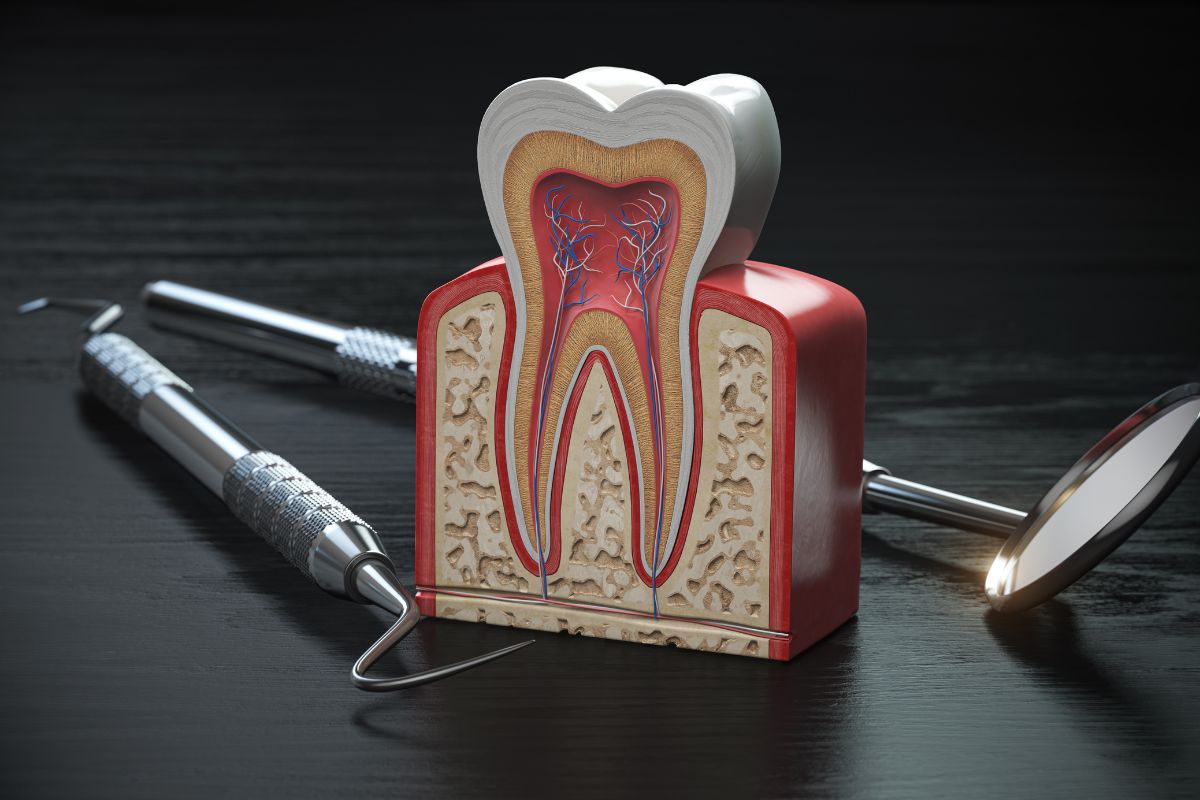


Root canal therapy is an immensely popular and effective dental procedure that saves teeth from severe decay. Cavities damage teeth from the root; with this therapy, the dentist removes all the infected pulp from the tooth. This is how a dentist can save the infected tooth from further damage.
The procedure is mostly the same but can differ from tooth to tooth. The treatment will be effective whether the procedure is performed on the front or back teeth, but the process will vary. In this blog, we will discuss the differences in the treatment procedures, so let’s find out.
Front vs. Molar Teeth Anatomy
The success rate of root canal treatments is generally high, reaching around 92%. Compared to molars, front teeth have a more straightforward structure. Treatment is simpler because front teeth only have one root and one canal. Molars, in contrast, have several roots, each of which has one or more canals. This intricacy may affect the procedure’s duration, method, and equipment.
Procedure Complexity
Because molars have several canals, treating them frequently takes longer. Dental practitioners must carefully detect and clean each canal to ensure that no infection is left behind. The additional canals also increase the possibility of complex tasks, including negotiating curved or small areas.
Access and Visibility
Because they are situated near the front of the mouth, front teeth are more straightforward to reach. This makes them easier to work with and frequently eliminates the need for sophisticated tools or images. Because they are located at the back of the mouth, molars are more difficult to reach and require more dexterity.
Pain and Recovery
After the treatment, molars and front teeth may feel discomfort, although front teeth often recover more quickly. Less tissue is impacted because the process is less intrusive when performed on a single root. When several roots and canals are involved, molar healing times may be slightly longer.
Restoration After the Procedure
A tooth must be restored after receiving a root canal to protect it and continue functioning. Because they are not as frequently bitten, front teeth may only require a simple crown or filling. Since they can withstand strong chewing forces, molars often need a more resilient crown to avoid fractures in the future.
Protect Your Teeth from Tooth Decay With Us
Are you having severe cavity issues in your teeth? Whether it’s your molar or front teeth, both procedures have a high success rate. However, a dental crown is recommended to protect the exposed root for the molar or back teeth. There is no difference in the cavity removal procedure’s longevity or effectiveness in front and back teeth. At Harborcreek Dental, we provide compassionate care and hazard-free methods to protect the infected tooth. Book an appointment with our dentist in Erie for the best root canal therapy.