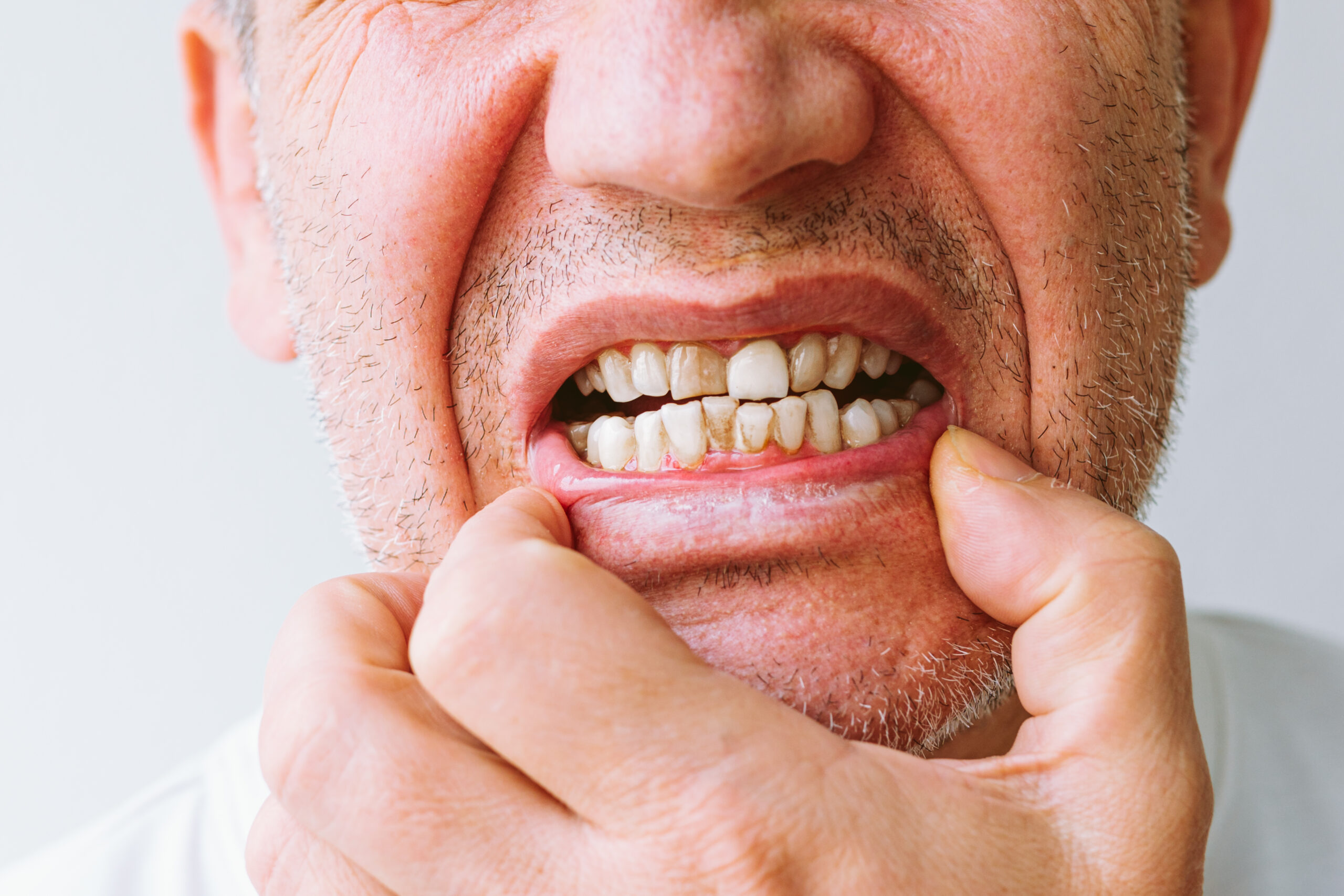


A bright, radiant smile can make a powerful first impression, but keeping your teeth white doesn’t end after your professional whitening treatment. In fact, what you eat and drink plays a major role in how long your results last. Your diet can either help preserve your new pearly whites or cause them to stain and fade faster than you might expect.
Understanding the connection between diet and teeth whitening will help you protect your investment in your smile and maintain the confidence that comes with it.
How do Certain Foods and Drinks Affect Teeth Color?
The surface of your teeth, called enamel, is porous and can absorb pigments from foods and beverages. These pigments, known as chromogens, attach to the enamel and cause discoloration over time.
Here are some common culprits:
- Dark-colored drinks: Coffee, tea, red wine, and cola are some of the most notorious stain-causing beverages.
- Highly pigmented foods: Berries, beets, soy sauce, and tomato-based sauces can leave lingering stains.
- Acidic foods and drinks: Citrus fruits, soda, and vinegar-based dressings can weaken enamel, making it easier for stains to penetrate.
Even though these foods and drinks are common, moderation and proper oral care can help prevent long-term discoloration.
Foods That Support a Whiter Smile
Not all foods are bad for your teeth. Some can actually help you maintain your whitening results.
- Crunchy fruits and vegetables like apples, celery, and carrots help scrub away plaque and surface stains.
- Dairy products such as milk, cheese, and yogurt contain calcium and phosphorus, which strengthen enamel.
- Water is one of your best allies, as it rinses away food particles and helps maintain saliva production, which protects teeth.
By incorporating more smile-friendly foods into your diet, you can extend the life of your whitening treatment.
Post-Whitening Diet Tips
After professional whitening, your teeth are slightly more porous for the first 48 hours, making them more vulnerable to stains. During this time, dentists often recommend a “white diet,” which includes foods like:
- Chicken, turkey, or white fish
- Rice, pasta, or bread without heavy sauces
- Potatoes, cauliflower, or bananas
Avoiding dark-colored or acidic foods during this period can help lock in your whitening results.
The Role of a Dental Professional
While daily habits are key, professional guidance is essential for a bright and healthy smile. For example, if you’re searching for a trusted cosmetic dentist in Erie for teeth whitening and maintenance advice, they can help create a customized plan that fits your lifestyle and goals. This includes both whitening treatments and diet recommendations tailored to your needs.
Long-Term Maintenance
Teeth whitening isn’t a one-time solution; it’s part of an ongoing routine. Here are a few maintenance tips:
- Use a straw for dark drinks to minimize contact with your teeth.
- Rinse or brush shortly after consuming stain-causing foods.
- Schedule regular dental cleanings to remove surface stains and tartar.
- Consider touch-up whitening treatments every 6–12 months, depending on your habits.
With consistent care, you can enjoy a white smile for years.
Your smile deserves lasting brightness, starting with the right habits after whitening.
Request an appointment with Harborcreek Dental today or visit our dental office to learn more about protecting your smile and keeping it brilliantly white.