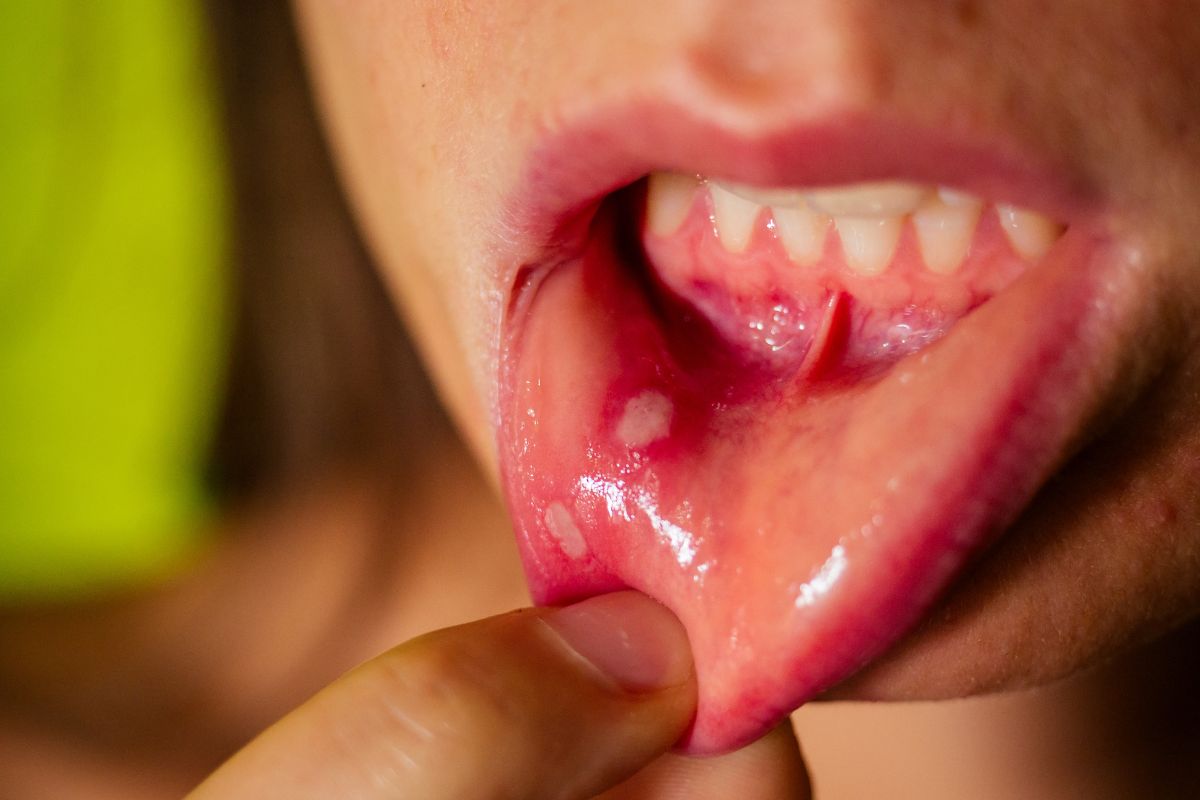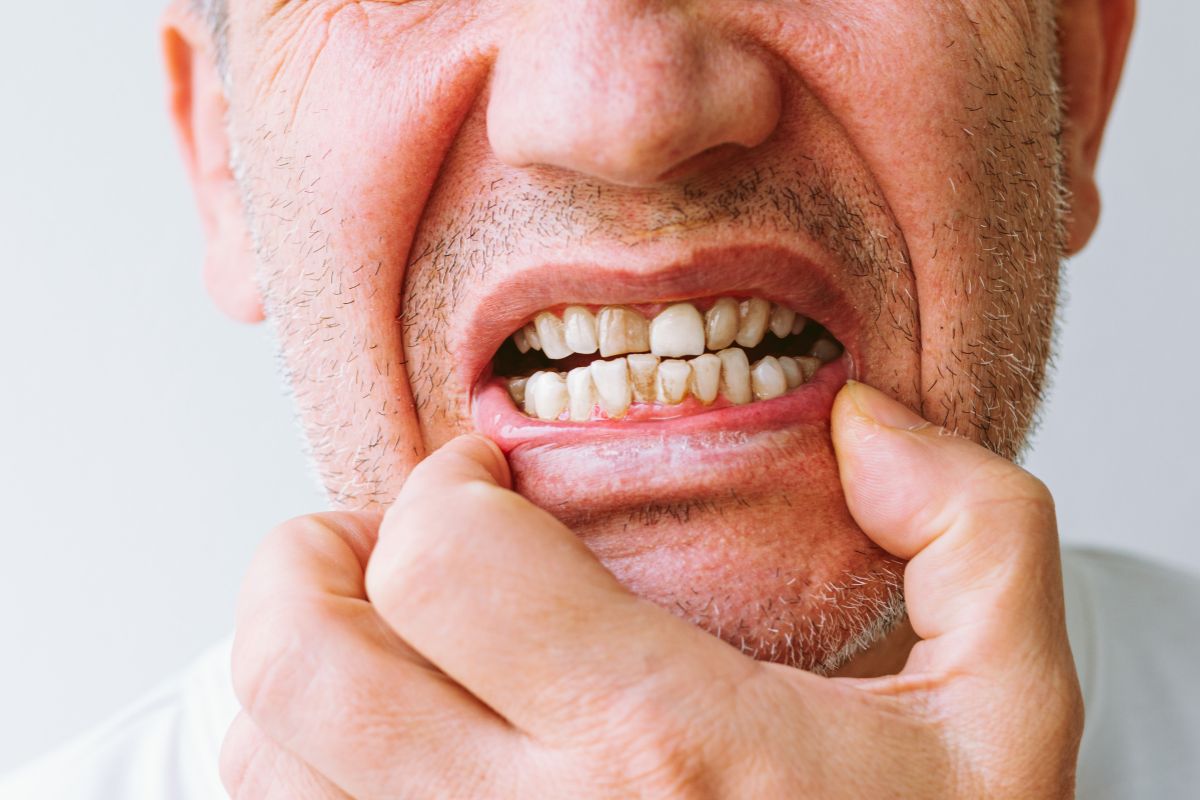


You rinse and spit, and the sink turns pink. Sound familiar, right?
Bleeding gums are something many people in Erie experience, but not enough people take them seriously. It is easy to brush it off as normal, but it is actually one of the earliest signs that something is wrong with your gum health. The good news is that, in most cases, improving your daily oral care routine and getting the right dental support can make a real difference.
Many people in Erie slow down on brushing, skip flossing, or put off their dental visits, especially during the cold Pennsylvania winters when staying home just feels easier. But those habits catch up with you. Neglecting oral care is one of the leading causes of gum disease.
At Harborcreek Dental, Dr. Sambuchino and the team see this happen regularly. Patients come in with bleeding, swollen gums that could have been managed much earlier with consistent oral hygiene and timely care. This blog breaks down what causes gum bleeding, why you should not ignore it, and how you can take control of your gum health starting today.
Why Do Gums Bleed When You Brush?
Many people wonder why gums bleed when they are simply brushing their teeth, and assume the brushing itself is the problem. But that thinking leads to a common and harmful mistake- brushing less.
Your gums bleed because they are inflamed. When plaque, a sticky film of bacteria, builds up along the gumline, it irritates the surrounding tissue. The gums respond by becoming red, swollen, and sensitive. When a toothbrush touches inflamed tissue, it bleeds easily. The brushing did not cause the problem; the plaque did.
Reducing or stopping brushing only allows more plaque to build up, which worsens inflammation over time. Brushing more consistently, using the right technique, and flossing regularly are what actually help reduce bleeding.
Common Reasons Gums Start to Bleed
- Plaque buildup along the gumline from infrequent or incomplete brushing
- Skipping flossing and plaque between teeth goes unremoved
- Using a hard-bristled toothbrush that damages delicate gum tissue
- Going too long between dental cleaning
- Smoking or using tobacco, which weakens gum tissue
- Certain medications that affect gum sensitivity or blood flow
- Hormonal changes, particularly in women during pregnancy
Is It Normal for Gums to Bleed When Brushing?
This is one of the most common questions dentists hear. The short answer is no. Is it normal for gums to bleed when brushing? Healthy gums should not bleed during normal brushing or flossing. They should be firm, pale pink, and not tender.
Occasional light bleeding once in a while is not always a crisis, but if you notice it regularly, that is your mouth telling you something needs attention. Do not wait until it becomes a bigger issue. The earlier you identify it, the easier it is to treat.
How Ignoring Oral Hygiene Leads to Gum Disease
Life in Erie stays busy. Between work, family, the drive down Buffalo Road, and everything in between, dental care sometimes falls to the bottom of the list. But here is what happens when oral hygiene gets neglected over time.
When plaque is not removed with daily brushing and flossing, it hardens into tartar, a solid deposit that sticks firmly to the tooth surface. Tartar cannot be removed with a toothbrush at home. Only a professional cleaning can take it off. As tartar builds up, it pushes deeper below the gumline and keeps irritating the tissue.
Gingivitis is the earliest stage of periodontal disease. The gums become red and inflamed, and they bleed when you touch them. At this stage, the damage is still reversible. But if gingivitis goes untreated, it can progress to periodontitis, a more serious infection that affects the bone and tissue that hold your teeth in place.
Periodontitis Can Lead To:
- Persistent bad breath that does not go away with brushing
- Gums pulling away from the teeth
- Teeth becoming loose or shifting
- Tooth loss in advanced cases
This is why oral hygiene for gum health matters every single day, not just when your mouth hurts.
How Poor Oral Hygiene Habits Add Up Over Time
People often think gum disease happens suddenly. It does not. It develops slowly, over months or years, from small daily habits that get skipped. Here is a realistic picture of how it often unfolds:
- Brushing drops once a day or less
- Flossing stops altogether
- Plaque turns to tartar along the gumline
- Gums become inflamed and start bleeding
- Dental visits get skipped because “nothing hurts yet.”
- Infection deepens below the gumline
- Bone and tissue begin to break down
The tricky part is that gum disease often does not hurt in the early stages. So people keep putting off care. By the time they feel pain or notice their teeth shifting, the disease has already progressed significantly.
How to Stop Bleeding Gums at Home
If your gums are bleeding and you want to know how to stop bleeding gums, here are steps that actually work when followed consistently:
- Brush twice a day using a soft-bristled toothbrush. Use gentle, circular motions along the gumline.
- Floss once a day. Yes, every day. Flossing reaches the spaces your toothbrush cannot.
- Rinse with an antimicrobial mouthwash to help reduce bacteria in hard-to-reach areas.
- Drink plenty of water throughout the day. Erie residents are used to cold winters, and indoor heating dries out mouths quickly, which can worsen gum irritation.
- Eat a balanced diet. Foods high in sugar and processed carbohydrates feed the bacteria that cause plaque.
- Quit smoking or using tobacco products. Tobacco is one of the biggest risk factors for gum disease.
These steps help control bleeding and inflammation, but they are not a substitute for professional care. If your gums have been bleeding for more than a couple of weeks, it is time to see a dentist.
What Professional Gum Disease Treatment Involves
Home care is important, but some situations require professional treatment. If tartar has built up below the gumline, or if the infection has progressed beyond gingivitis, a dentist needs to step in.
Professional gum disease treatment in Erie typically begins with a thorough examination of your gum tissue, including measuring pocket depths around each tooth. This tells the dentist how far the inflammation has spread.
From There, Treatment May Include:
- Professional cleaning and scaling to remove plaque and tartar from above and below the gumline
- Root planing to smooth the root surfaces so the gums can reattach properly
- Ongoing monitoring to track how the gum tissue heals over time
- Guidance on home care techniques to prevent the problem from recurring
The goal of gum disease treatment is to stop the infection, reduce inflammation, and protect the bone and tissue that support your teeth. With the right care and consistent follow-up, many patients see significant improvement.
Do Not Wait — Book an Appointment Today
If you have been noticing bleeding gums, swollen tissue, or bad breath that won’t go away, your gums are asking for help. The longer you wait, the harder it becomes to treat. Many residents in Erie and the surrounding areas of Harborcreek, Lawrence Park, and Wesleyville have found that taking action early makes all the difference.
At Harborcreek Dental, Dr. Kevin Sambuchino and the team are ready to help you get your gum health back on track. You can explore our services to find the treatment option that’s right for you.
Do not let bleeding gums go untreated. Visit our dental office at 4820 Buffalo Rd, Erie, PA 16510. Call us to schedule your visit today. Your gum health is worth it.
Frequently Asked Questions (FAQs)
Q1: Can bleeding gums go away on their own without treatment?
In the very early stages, improving your brushing and flossing routine may reduce bleeding. However, if it continues for more than a couple of weeks, a dental evaluation is strongly recommended to rule out gum disease.
Q2: How often should I see a dentist if my gums bleed?
Most people benefit from dental visits every six months. If you have active gum disease or inflammation, the dentist may recommend more frequent visits to monitor healing and prevent further progression.
Q3: Can gum disease affect more than just my mouth?
Research has linked gum disease to systemic health concerns, including heart disease and diabetes. Keeping your gums healthy is an important part of your overall health, not just your dental health.
Q4: Is gum disease treatment painful?
Most patients find that professional cleaning and scaling is manageable, especially with local anesthesia when needed. Discomfort is usually mild and temporary, and most people feel significant relief once the infection is under control.
Q5: What is the difference between gingivitis and periodontitis?
Gingivitis is the early, milder stage of gum disease, characterized by gum inflammation that is still reversible with proper care. Periodontitis is more advanced and affects the bone and connective tissue, making professional treatment essential to prevent tooth loss.
Q6: Can I brush normally if my gums are bleeding?
Yes, and you should. Using a soft-bristled toothbrush with gentle technique is safe and helps reduce the inflammation that causes the bleeding. Stopping or reducing brushing only allows more plaque to accumulate and worsens the problem.