
“One tooth just looks different.”
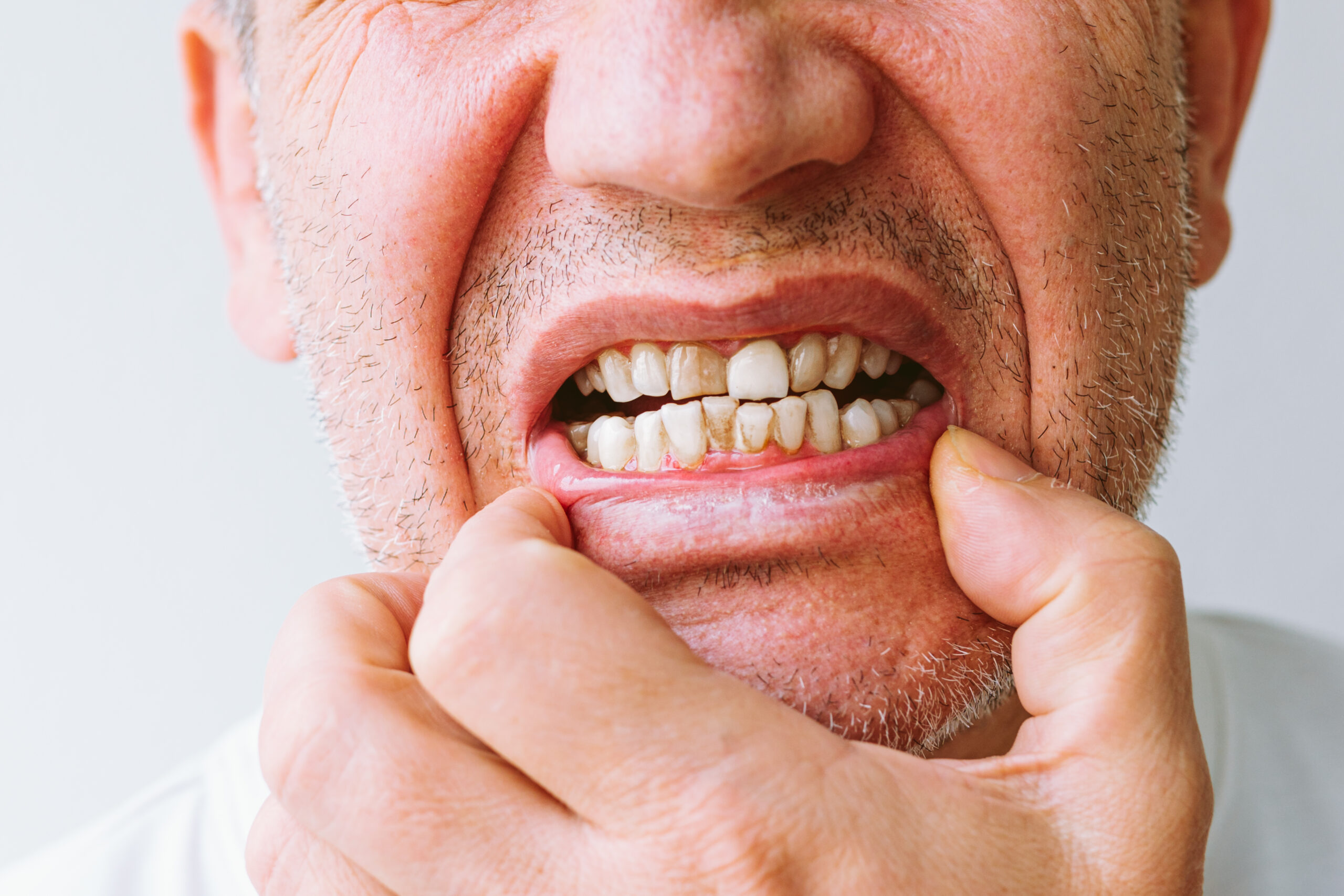
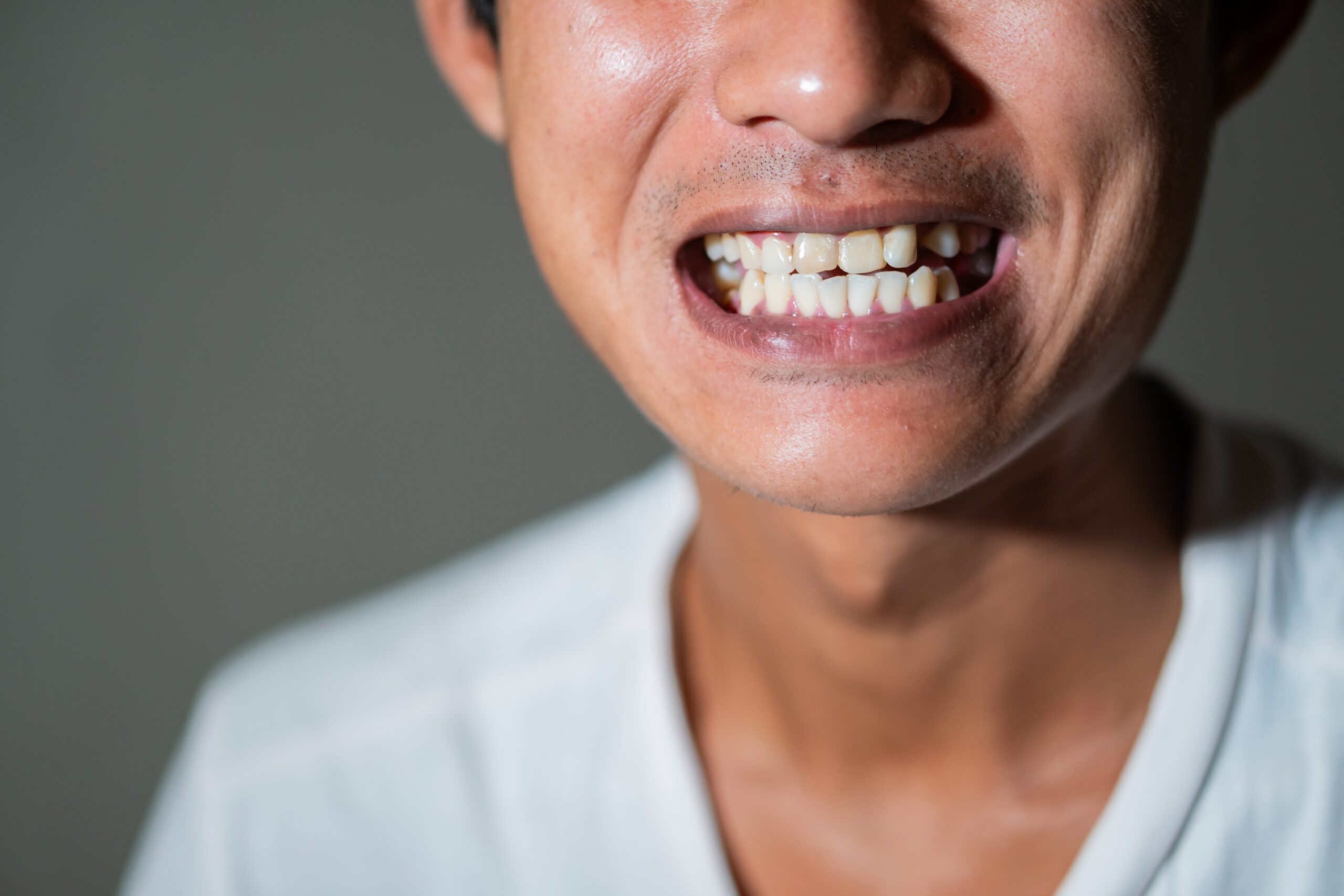
That’s something we hear often from adults who otherwise feel good about their smile. It may be a front tooth that appears slightly shorter than the one beside it. A corner might look chipped. Or perhaps a tooth has always seemed a bit too small or pointed compared to the rest.
These concerns usually aren’t about dramatic transformations. More often, people preparing for a wedding, a job interview, or simply more photos at lakefront gatherings want subtle balance. For patients exploring cosmetic smile improvements in the Erie area, small refinements can make a meaningful difference in confidence.
If you’ve been considering options, our cosmetic dental services are designed to enhance natural teeth conservatively, with careful attention to both aesthetics and long-term health.
What Makes a Tooth Appear Misshapen?
A tooth can look uneven or out of place for many reasons:
- Genetics: Some people are born with teeth that are slightly smaller, narrower, or more pointed.
- Enamel wear: Over time, grinding or normal function can flatten edges.
- Chipping: Minor trauma from sports, accidents, or even biting into hard foods.
- Developmental differences: Variations in how enamel forms can affect shape.
- Natural asymmetry: Perfect symmetry is rare; small differences are common.
The important thing to understand is that minor shape differences are extremely common—and often very treatable. In many cases, the solution is conservative and minimally invasive.
Cosmetic Bonding for Minor Shape Adjustments
For small chips, uneven edges, or slight gaps, dental bonding is often the most conservative approach.
Bonding uses a tooth-colored resin material that is carefully shaped and polished to blend seamlessly with surrounding enamel. It can:
- Smooth a chipped corner
- Lengthen a slightly short tooth
- Refine a pointed edge
- Close a small space
Bonding typically requires little to no enamel removal and is often completed in one visit. It’s a practical option for patients who want improvement without committing to more extensive treatment.
From a dentist’s perspective, bonding works best when the underlying tooth is healthy and structurally sound.
Porcelain Veneers for Comprehensive Shape Correction
When shape concerns involve multiple teeth—or when color, alignment, and contour all need improvement—porcelain veneers may be considered.
Veneers are thin, custom-crafted porcelain coverings bonded to the front surface of the tooth. They can:
- Adjust width and length
- Improve contour
- Correct asymmetry
- Enhance overall balance
Because veneers require thoughtful planning and enamel preparation, they are best suited for situations where conservative options won’t achieve the desired result. A careful evaluation helps determine whether veneers are appropriate or whether a simpler approach would be more beneficial.
The goal is always harmony, not overcorrection.
Dental Crowns for Cosmetic and Structural Improvement
Sometimes a tooth appears misshapen because it has been weakened by decay, large fillings, or fracture.
In those cases, a crown may serve both cosmetic and structural purposes. A crown covers the entire tooth, restoring:
- Proper shape
- Strength and stability
- Natural-looking color and contour
When aesthetics and function overlap, protecting the tooth becomes just as important as improving its appearance. A well-designed crown blends naturally with surrounding teeth while supporting long-term durability.
Professional Teeth Whitening as a Complementary Option
Occasionally, what looks like a shape problem is actually a contrast issue.
If one tooth appears darker or more yellow than the rest, it can draw attention and make it seem out of proportion. Professional whitening can improve overall color balance and help create visual symmetry.
Unlike store-bought kits, professional whitening is performed using safe enamel protocols and carefully monitored application. In some cases, whitening alone creates enough uniformity that reshaping isn’t needed.
How a Cosmetic Dentist Plans Treatment Thoughtfully
Thoughtful cosmetic care begins with listening.
Before recommending any procedure, we take time to understand what the patient sees and feels. A tooth that seems obviously uneven to one person may barely register to another. Your perception matters.
Planning typically includes:
- Evaluating the smile from multiple angles
- Assessing bite alignment
- Considering facial proportions
- Reviewing enamel thickness and overall tooth health
We prioritize conservative options first. Preserving natural enamel and avoiding unnecessary treatment supports long-term stability. Even subtle adjustments require careful planning to maintain proper bite function and protect surrounding teeth.
For patients seeking aesthetic refinements in this part of Pennsylvania, the focus is never on changing who you are—it’s about enhancing what’s already there in a balanced, healthy way.
Considering Your Next Step
If a single tooth has been drawing your attention in photos or conversations, it may be helpful to have an open discussion about your options.
Patients who would like to explore possibilities can connect with our dental office here in the Erie community to schedule an appointment. A personalized evaluation allows us to review your concerns, examine your bite, and determine which approach—if any—would support your goals comfortably and conservatively.
FAQs
Are cosmetic treatments for one tooth common?
Yes. Many patients seek care for a single chipped, uneven, or slightly undersized tooth. Small refinements are among the most common aesthetic procedures performed.
Is bonding permanent?
Bonding is durable but not permanent. Over time, it may require polishing, repair, or replacement depending on wear habits and oral hygiene.
How long do veneers last?
With proper care, porcelain veneers often last many years. Longevity depends on oral hygiene, bite forces, and regular dental visits.
Will reshaping a tooth weaken it?
When performed conservatively and appropriately, reshaping or bonding does not significantly weaken a healthy tooth. Careful planning protects enamel and structural integrity.
How do I know which treatment is right for me?
The best approach depends on the tooth’s structure, your bite, enamel condition, and your goals. A clinical evaluation helps determine whether a simple adjustment or a more comprehensive option is most appropriate.