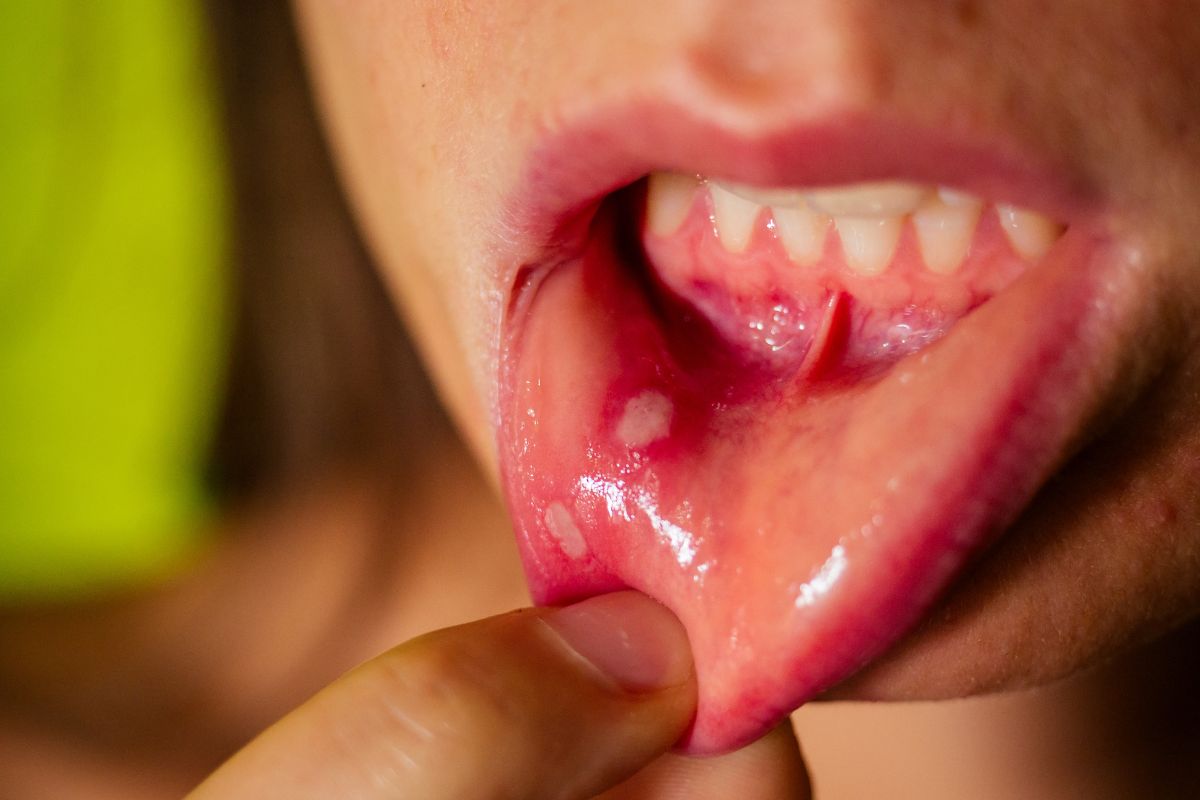


A toothache might seem like a small issue at first, but an untreated infection can affect much more than your mouth. Many people don’t realize that once bacteria reach the deeper layers of a tooth, the infection can spread into the bloodstream and trigger symptoms throughout the body. In some cases, it can even influence brain health. For people in and around Erie, PA, understanding these risks can significantly impact overall wellness protection.
What Exactly Is a Tooth Infection?
A tooth infection begins when bacteria enter the inner part of the tooth, typically due to untreated cavities, gum disease, or an injury. This inner area contains nerves and blood vessels, so once bacteria reach it, the infection can grow quickly. Early signs—such as sensitivity or mild pain—are often overlooked, allowing the problem to progress.
How a Tooth Infection Spreads Beyond the Mouth?
Once bacteria multiply inside the tooth, they can move into surrounding tissues, including the gums, jawbone, and even the bloodstream. When the immune system detects this, it creates inflammation to fight off the infection. But if the infection isn’t treated, this inflammation and bacterial spread can begin to impact other parts of the body.
Effects of a Tooth Infection on the Body
A lingering tooth infection can create more than just discomfort. Common effects include:
- Fever or chills
- Fatigue or low energy
- Swollen lymph nodes
- Facial or jaw swelling
- Difficulty chewing due to tenderness
If the infection spreads, it may travel to the sinus cavity, cause involvement of the jawbone, or, in severe cases, enter the bloodstream and lead to more serious health problems. This systemic response is the body’s way of trying to protect itself, but without treatment, symptoms typically worsen.
How Tooth Infections Affect the Brain?
Although rare, tooth infections can have a profound impact on brain health if bacteria travel through the bloodstream or nearby tissues. In severe situations, bacteria can reach the brain and form an abscess—a pocket of pus that causes swelling and pressure. Symptoms of brain involvement may include:
- Severe headaches
- Confusion
- Difficulty speaking
- Vision changes
- Sudden weakness
Even when an infection doesn’t directly reach the brain, ongoing oral inflammation has been linked in some studies to changes in cognitive function over time. This illustrates the close connection between dental health and the rest of the body.
Warning Signs You Should Never Ignore
Seek dental care right away if you notice:
- Persistent tooth pain
- Swelling in the gums, face, or jaw
- Fever or chills
- A bad taste in your mouth
- Difficulty opening your mouth
- Pressure or pain that disrupts sleep
These signs may indicate the infection is spreading and requires immediate attention.
How are tooth infections treated?
Dentists treat tooth infections based on their stage of progression. Treatment may include:
- Antibiotics to slow or stop the infection
- Drainage of any abscess
- Root canal therapy to save the tooth
- Extraction if the tooth cannot be restored
Early care helps prevent complications and typically leads to a smoother recovery.
How to Protect Your Oral and Overall Health?
To prevent tooth infections:
- Brush and floss daily
- Schedule regular dental exams.
- Address tooth or gum pain promptly.
- Avoid delaying treatment for cavities or cracked teeth
Simple habits significantly reduce your risk of infection and keep your whole body healthier.
Protect Your Health by Treating Tooth Infections Early – Visit Harborcreek Dental
A tooth infection doesn’t just stay in your mouth—it can affect your entire body, and in rare cases, even your brain. If you’re experiencing symptoms or have concerns about your oral health, Harborcreek Dental is here to help people throughout Erie, PA. Request an appointment today to get the care you need and restore your peace of mind.