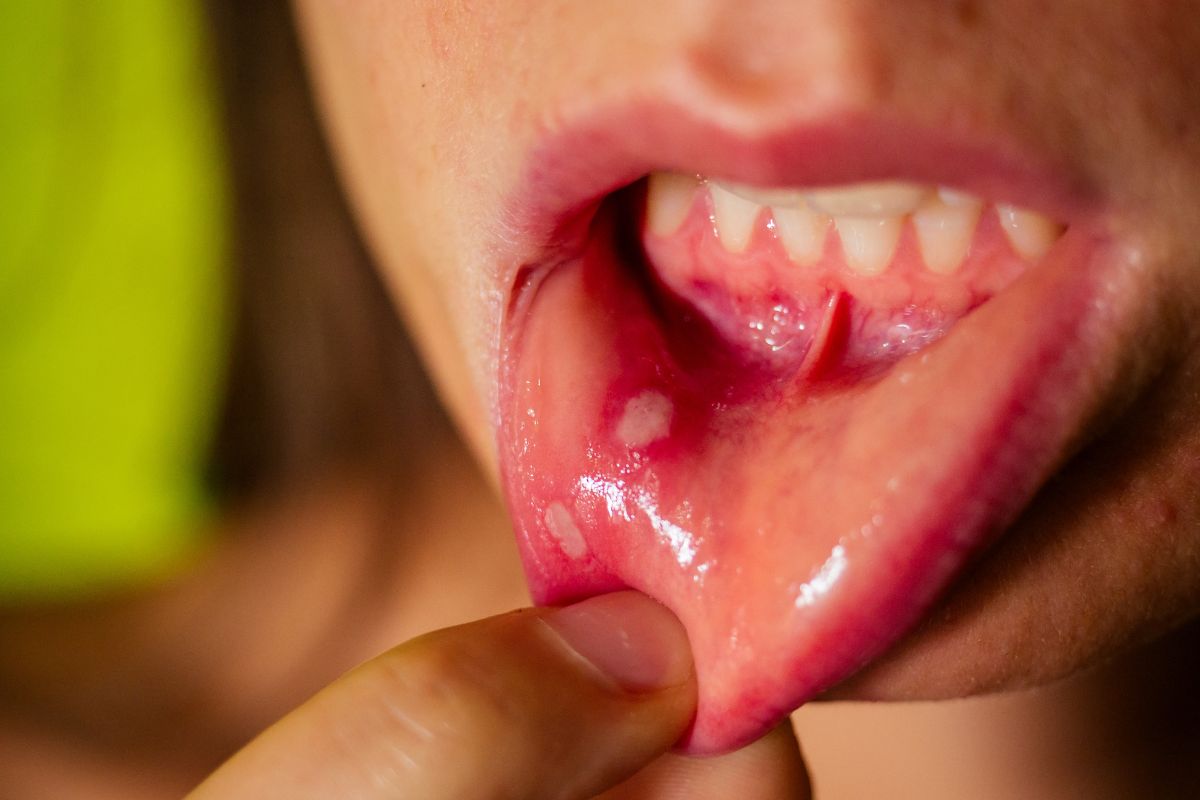


Your toothbrush is one of the most essential tools in your daily hygiene routine. But did you know it could be harboring mold right under your nose? Mold on a toothbrush isn’t just unpleasant—it can threaten oral and overall health. If you’ve ever noticed black or green spots on your toothbrush bristles or base, it’s time to take action.
In this blog, your Erie dentist offers practical, effective tips on safely cleaning mold from your toothbrush and preventing it from returning.
Why Mold Grows on Your Toothbrush?
Mold thrives in moist, dark environments—and your bathroom is the perfect breeding ground. After brushing, your toothbrush remains damp and is usually kept in an enclosed or humid space, allowing mold spores to settle and grow. Over time, this can lead to visible mold and invisible bacteria, putting your oral health at risk.
Signs that your toothbrush may be affected by mold include:
- Discoloration (black, green, or brown spots)
- Musty odor
- Sticky or slimy bristles
Steps to Safely Remove Mold from Your Toothbrush
1. Rinse Thoroughly After Each Use
Remember to rinse your toothbrush with hot water after every use. This helps to remove leftover toothpaste, food particles, and bacteria that feed mold growth.
2. Soak in Antibacterial Solution
To disinfect your toothbrush:
- Mix equal parts white vinegar and water
- Soak the brush for 15–30 minutes.
- Rinse thoroughly with hot water and let it air dry.
Alternatively, you can use hydrogen peroxide for 10–15 minutes. Just be sure to rinse it well before using it again.
3. Use Boiling Water (Occasionally)
Boiling water can kill mold spores effectively:
- Bring a pot of water to a boil
- Submerge the toothbrush for 2–3 minutes (avoid this for electric brush heads)
- Let it cool and air dry thoroughly.
4. Replace Your Toothbrush Regularly
Even with proper cleaning, toothbrushes should be replaced every 3–4 months. If you notice mold, replace it immediately—no cleaning method can fully restore a heavily contaminated brush.
Tips to Prevent Mold from Growing Again
1. Store Your Toothbrush Upright and Airy
Avoid keeping your toothbrush in closed containers. Let it air dry upright, preferably in a holder that doesn’t touch other brushes.
2. Keep It Away from the Toilet
Every time you flush, bacteria can travel through the air. Store your toothbrush as far from the toilet to reduce contamination.
3. Dry the Base and Bristles
After use, gently shake your brush to remove excess water and ensure it dries completely between uses. Mold can easily grow in a constantly damp environment.
4. Clean the Holder Too
Toothbrush holders often accumulate water and bacteria. Clean and disinfect them at least once a week.
Keeping your toothbrush clean is just as important as brushing your teeth. It directly affects your oral hygiene and immune system health. If you’re unsure whether your toothbrush is safe or if you experience recurring oral health issues, it’s always best to consult a dental professional.
A trusted dentist in Erie can help you maintain a clean and effective oral care routine.
Conclusion
Mold on your toothbrush is more than an eyesore—it’s a risk you shouldn’t ignore. By taking proactive steps to clean and care for your toothbrush, you protect yourself from unwanted germs and infections.
If you have questions about proper hygiene or it’s time for your routine dental checkup, the team at Harborcreek Dental is here to help. We offer personalized dental care in a comfortable, welcoming environment.
Request an appointment today and take a confident step toward a healthier smile!