
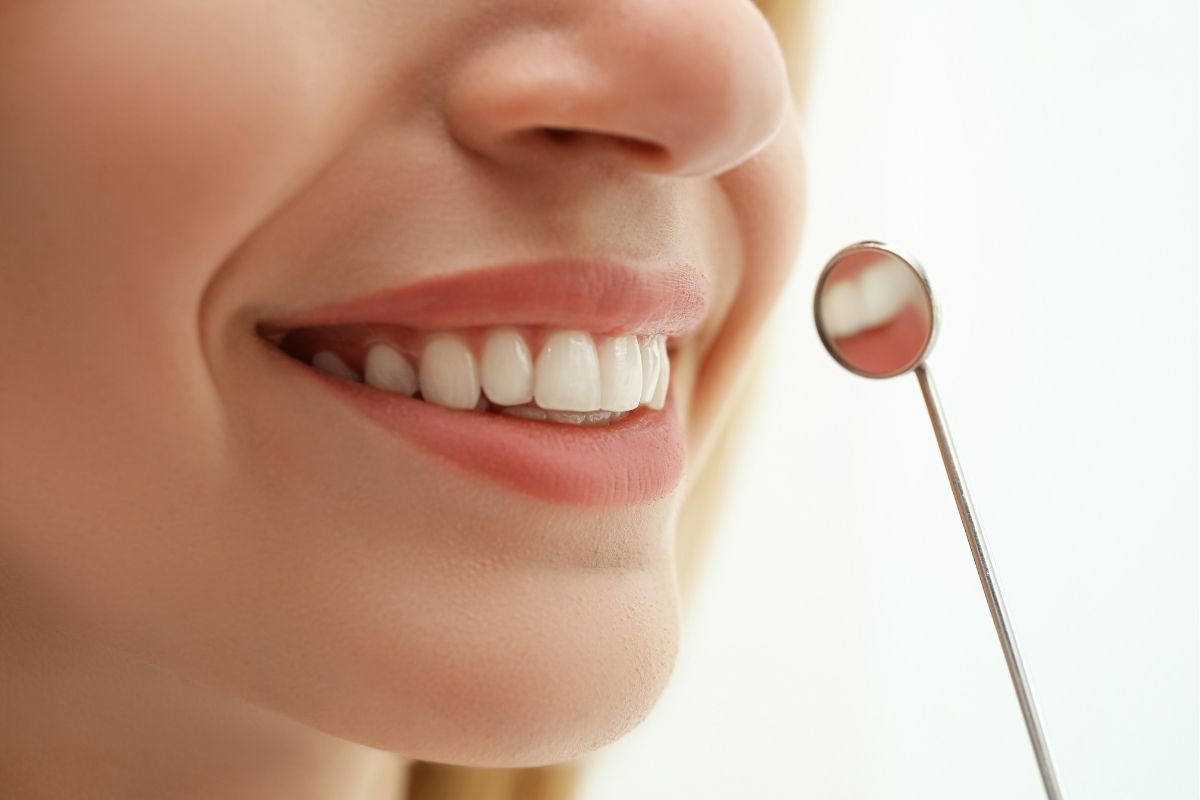
Cosmetic dental treatments offer transformative results, restoring both the aesthetics and function of your teeth. They address a range of issues, including enamel erosion, discoloration, chips, cracks, and misalignments. However, to maintain these improvements, it’s crucial to adopt a meticulous post-treatment care routine. With proper attention, you can ensure that your enhanced teeth remain healthy, functional, and visually appealing for years.
What Dental Problems Can Cosmetic Dentistry Solve?
These procedures are not purely about aesthetics; they also address structural and functional concerns. Here are some common issues that these treatments can resolve:
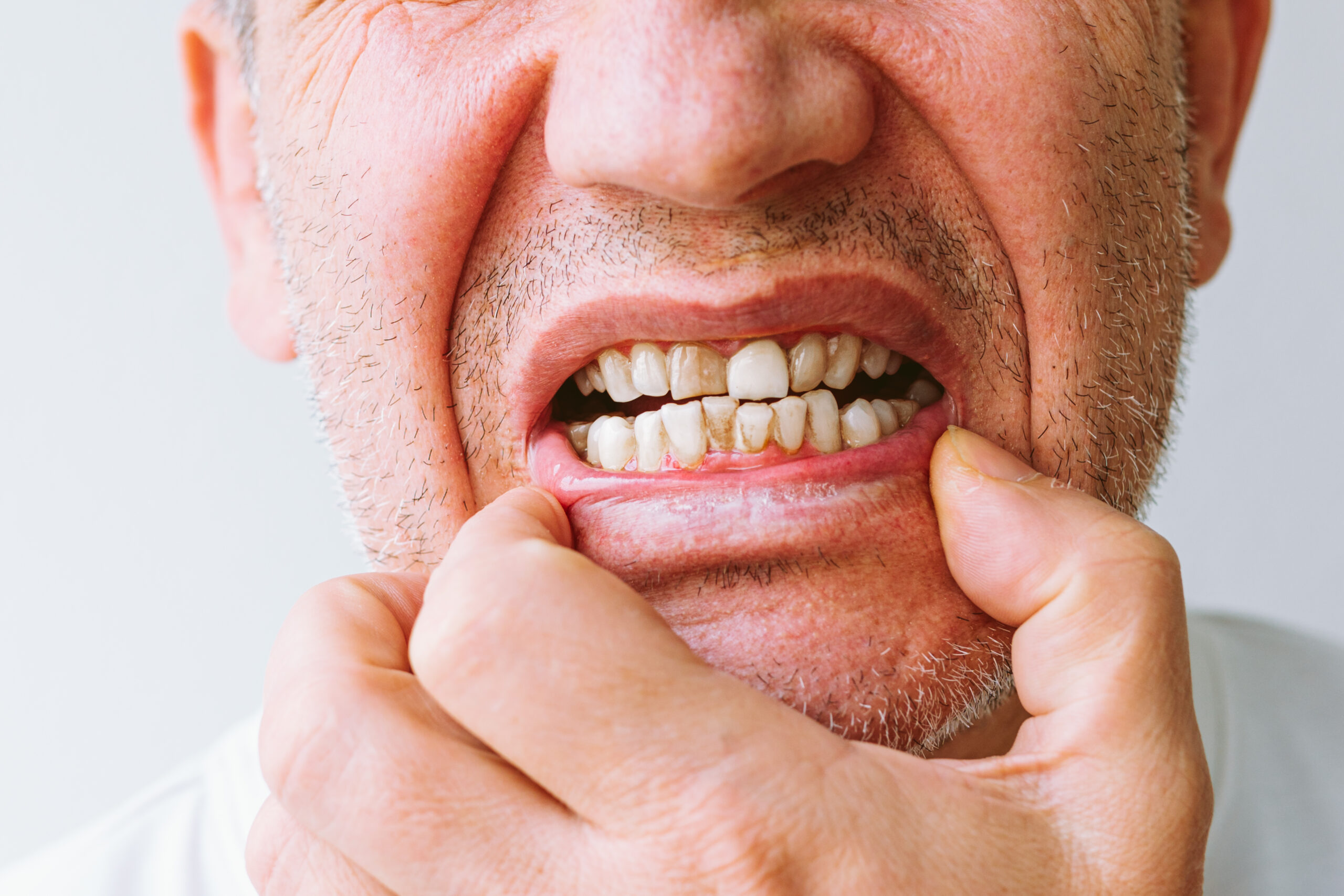
Enamel Erosion and Wear
Over time, acidic foods, beverages, and habits like teeth grinding wear down enamel, leaving teeth vulnerable to damage. Treatments like porcelain veneers or dental bonding strengthen worn teeth and restore their protective outer layer.
Tooth Discoloration
Persistent stains from coffee, tea, wine, or tobacco products seep into enamel pores, creating deep discoloration. Whitening procedures remove these stains using professional-grade peroxide solutions, restoring a brighter, natural shade.
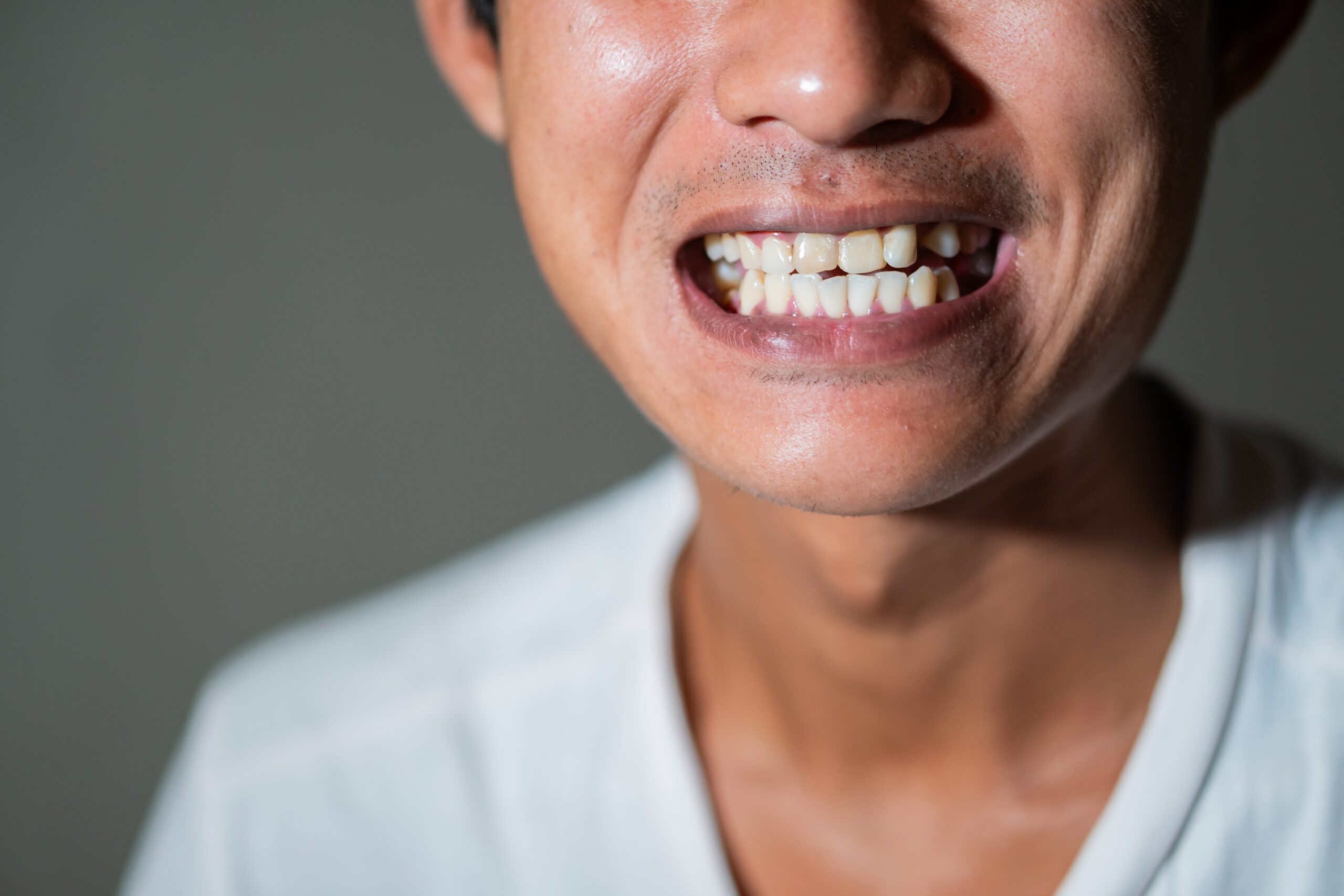
Chipped or Cracked Teeth
Accidents or habits like biting on hard objects can cause chips or cracks. Composite resin or porcelain veneers conceal imperfections while strengthening the tooth’s structure.
Spacing and Alignment Issues
Gaps, crowding, or minor misalignments often impact a person’s bite and appearance. Clear aligners or bonding provide effective, discreet corrections for an even smile and improved functionality.
By addressing these concerns, these dental procedures combine artistry with precision to improve overall oral health and confidence. However, once the procedures are complete, how you care for your teeth plays a crucial role in preserving the results.
Ways to Maintain Your Smile Post-Treatment
Achieving a radiant smile is just the first step. Consistent maintenance ensures your investment lasts and prevents future dental issues. Here are the most effective ways to care for your teeth after prosthetic enhancements:
Maintain a Gentle Dental Care Schedule
Maintaining optimal oral hygiene is essential, but aggressive brushing can damage restorations. Use a soft-bristle toothbrush and non-abrasive fluoride toothpaste to prevent surface scratches and preserve the integrity of veneers, crowns, or bonded surfaces. Brush twice a day and floss gently around treated areas to remove plaque and food debris.
Limit Acidic and Sugary Foods
Acidic foods and drinks weaken enamel and stain restorations over time. Minimize consumption of sodas, citrus, wine, and vinegar-based products. After consuming these items, rinse your mouth with water to neutralize acids. Chewing sugar-free gum with xylitol can also help stimulate saliva, which naturally protects your teeth from acidity.
Schedule Routine Cleanings and Exams
Regular dental visits are non-negotiable for maintaining oral health. Professional cleanings remove tartar and biofilm that accumulate despite daily brushing. Hygienists use tools specifically designed for restorations to ensure no damage occurs. Aim to visit your cosmetic dentist every six months for a thorough examination and cleaning to maintain your dental work’s pristine condition.
Should you grind your teeth, wear a night guard
Bruxism, or teeth grinding, puts immense pressure on natural and restored teeth, leading to cracks, chips, or premature wear. If you grind your teeth, your dentist may recommend a custom night guard to protect your restorations. These devices absorb the forces generated by grinding, prolonging the lifespan of your dental work.
Be Cautious with Whitening Products
Over-the-counter whitening strips or toothpaste may harm veneers, crowns, or bonded surfaces. These products can create uneven results by targeting natural teeth differently than restorations. If you wish to brighten your smile, consult your dental professional for reliable options personalized to your specific needs and dental materials.
During Sports or Other Activities, Keep Your Teeth Safe.
Engaging in contact sports or high-impact activities increases the risk of dental trauma. Wear a custom-fitted mouthguard to shield your teeth from damage. Promptly addressing any chips, cracks, or loosened restorations after an injury is crucial for preventing further complications.
Avoid Bad Oral Habits
Habits like biting your nails, chewing ice, or using your teeth to open packages place undue stress on restorations. These actions can lead to fractures or loosened dental work. Break these habits to preserve both the appearance and functionality of your teeth.
Stay Hydrated to Support Oral Health
Dehydration decreases salivary flow, which is necessary for removing food particles and neutralizing acids. Drink plenty of water throughout the day to maintain a healthy oral environment. Proper hydration also helps prevent dry mouth, which can increase the risk of cavities and erosion.
Managing Post-Treatment Sensitivity
Some patients experience mild sensitivity or discomfort following cosmetic procedures. These symptoms are usually temporary but require attention:
Sensitivity Relief
Desensitizing toothpaste containing potassium nitrate helps reduce sensitivity in exposed areas or around treated teeth.
Discomfort Management:
Over-the-counter pain relievers, such as ibuprofen, alleviate minor inflammation or soreness. Visit a dental clinic for additional assessment if the pain continues.
Restoration Repairs:
If you notice any cracks, discoloration, or loosening of restorations, contact your dental professional promptly to address the issue. Timely repairs can prevent further complications.
Your teeth deserve the best care, especially after undergoing cosmetic enhancements. A proactive approach ensures your results stay radiant and functional for years to come. If you are planning to improve oral aesthetics and enjoy optimal functioning, get treated by a trustworthy cosmetic dentist specializing in oral prosthetics. Now you can enjoy a beautiful smile and boost your confidence. Schedule an appointment today to learn more!