

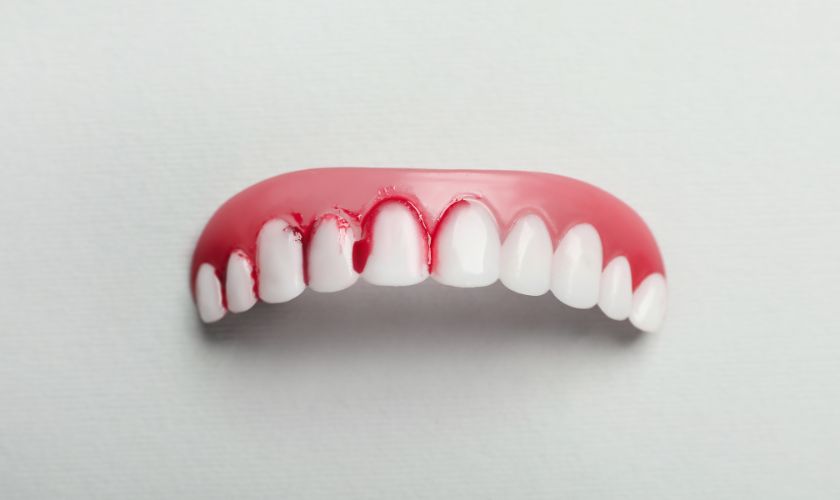
Many people often overlook gum disease, one of the most common oral health concerns, until it becomes severe. Also known as periodontal disease, it affects the gums and supporting structures of the teeth, potentially leading to tooth loss if left untreated. Many patients wonder if they can cure gum disease. The answer depends on its stage and how quickly they address it.
This guide explores the progression of gum disease, available treatment options, and how your dentist can help you regain control over your oral health.
Understanding Gum Disease
Gum disease typically begins with gingivitis — inflammation of the gums caused by plaque buildup. Early symptoms include redness, swelling, and bleeding when brushing or flossing. At this stage, gingivitis is reversible with professional dental cleanings and improved oral hygiene.
If untreated, gingivitis can progress to periodontitis. This advanced stage involves infection beneath the gumline, destruction of bone, and gum recession. Unlike gingivitis, you cannot completely reverse periodontitis, but you can manage it to prevent further damage.
Can we cure gum disease?
The term “cure” is tricky. In the case of gingivitis, yes, with prompt care and consistent oral hygiene, the gums can return to a healthy state.
However, once gum disease reaches periodontitis, the damage to the bone and connective tissue is permanent. Treatment focuses on halting the progression, controlling infection, and preserving as much natural tooth structure as possible.
Treatment and Management Options
The best treatment depends on the severity of the condition:
Professional Dental Cleaning
For gingivitis, a routine cleaning removes plaque and tartar buildup above the gumline, helping the gums heal.
Scaling and Root Planing (Deep Cleaning)
For early periodontitis, your dentist may perform scaling to remove hardened plaque below the gumline and root planing to smooth tooth roots, allowing gums to reattach.
Medications
Healthcare providers may prescribe antibiotic gels, mouth rinses, or oral antibiotics to control infection and inflammation.
Surgical Treatments
Advanced cases may require flap surgery to clean deep pockets or bone and gum grafting to restore lost support.
Ongoing Maintenance
Even after treatment, periodontal maintenance appointments every 3–4 months are essential to prevent recurrence.
Your Role in Gum Disease Control
Professional treatment is vital, but daily habits play a major role in managing gum health:
- Brush twice daily with fluoride toothpaste
- Floss or use interdental brushes daily
- Eat a balanced diet rich in vitamins C and D
- Avoid tobacco use
- Keep up with regular dental checkups
Working With a Trusted Dental Professional
If you suspect gum disease, don’t delay seeking care. The sooner you address it, the better your chances of preserving your teeth and gums. Partnering with a skilled dental team ensures you get the most effective treatment for your specific needs.
Whether you’re dealing with early signs of gingivitis or more advanced gum concerns, visiting an experienced provider — such as an Erie dentist specializing in periodontal care — can make all the difference in your long-term oral health.
Take Action Today
Gum disease may not always be “curable,” but it is always treatable. With the right professional care and at-home commitment, you can protect your smile for years to come.
Request an appointment with us or visit our dental office to explore your gum disease treatment options today.