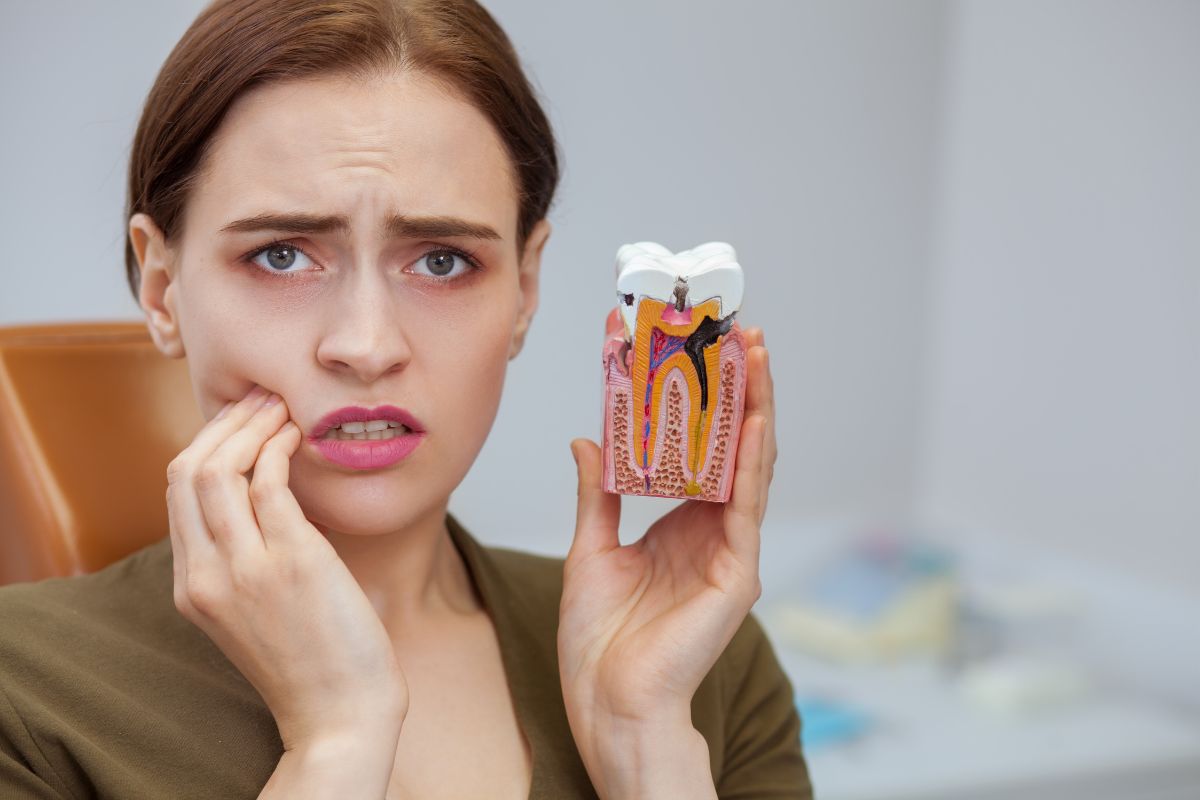


A sudden toothache can disrupt your day, leaving you desperate for quick solutions. Tooth pain is often a sign of an underlying dental problem that requires immediate attention. While some remedies provide temporary relief, they may not address the cause of the discomfort. Ignoring severe pain could worsen the issue, making early intervention crucial.
Visiting an emergency dentist in Erie ensures the problem is treated effectively, offering relief and long-term solutions. This guide explores the causes of toothaches, temporary remedies, and professional treatments that help you regain comfort and oral health.
What Is Emergency Dentistry?
Emergency dental care offers urgent treatment for dental issues that require immediate attention to prevent complications. It is designed to address severe pain, infections, or trauma that disrupt daily life. An emergency dentist in Erie places a high value on prompt treatment, providing both short-term relief and long-term solutions. These professionals focus on diagnosing the root cause of your discomfort and delivering targeted treatment.
Emergency dentistry ensures you get the care you need when you need it—whether it’s a sudden toothache, a cracked tooth, or a lost filling. Quick intervention can save teeth and alleviate pain, efficiently restoring your oral health.
Common Causes of Toothache Emergencies
To stop reinfection, the tooth is subsequently cleaned, filled, and sealed. Here are the most common causes:
1. Tooth Decay: Cavities develop when bacteria break down tooth enamel, exposing sensitive layers and nerves and leading to sharp or persistent pain.
2. Broken Fillings: A damaged or lost filling exposes vulnerable areas of the tooth, causing sensitivity and discomfort.
3. Mouth Infections: Infections, such as dental abscesses, cause throbbing pain, swelling, and sometimes fever, requiring immediate dental care.
4. Cracked Tooth: Cracks in the tooth can expose inner layers, increasing sensitivity and risk of infection.
5. Gum Disease: Advanced gum disease leads to gum recession, swelling, and tooth instability, often causing pain and inflammation.
6. Teeth Grinding (Bruxism): Grinding wears down enamel, causing tooth sensitivity, jaw pain, and potential tooth fractures.
Temporary Remedies to Manage Toothache Pain
While professional treatment is essential, temporary measures can help reduce discomfort until you see a dentist:
1. Apply a Cold Compress: Applying an ice pack near the affected area helps reduce swelling and numb the pain.
2. Rinse with Saltwater: A saltwater rinse can clean the mouth, reduce bacteria, and soothe irritated tissues.
3. Over-the-counter painkillers: Pain relievers like ibuprofen can help manage toothache discomfort temporarily.
4. Use Cloves or Clove Oil: Clove oil’s natural anesthetic properties can reduce toothache pain when applied to the affected area.
5. Aloe Vera Gel: Applying aloe vera gel to inflamed gums can provide soothing relief and reduce swelling.
6. Herbal Options like Peppermint or Thyme: These herbs have anti-inflammatory properties and can temporarily soothe dental discomfort.
7. Hydrogen Peroxide Rinse: A diluted hydrogen peroxide rinse reduces bacterial growth, temporarily relieving toothaches.
Professional Treatment Options for Toothache Relief
Professional dental care addresses the root cause of your toothache, offering long-lasting relief and restoring your oral health. Here are the critical treatment options available:
1. Medications
Dental practitioners may prescribe antibiotics to treat infections and recommend pain-relieving medications to alleviate discomfort. These medicines target specific issues effectively.
2. Dental Fillings
Fillings repair cavities, sealing the damaged area and preventing further decay. Modern materials ensure durability and a natural appearance.
3. Dental Crowns
Crowns protect weakened or severely damaged teeth, restoring their strength, functionality, and improving their appearance.
4. Inlays and Onlays
Custom-made inlays or onlays repair extensive decay without requiring a full crown. They offer strength and a natural look.
5. Root Canal Therapy
When decay or infection reaches the pulp, a root canal is performed to remove the damaged tissue. A variety of dental diseases, ranging from mild to severe, can cause toothaches.
6. Gum Disease Treatments
Scaling and root planing remove plaque and tartar buildup, addressing gum inflammation and preventing further damage to the teeth. This restores gum health and relieves associated pain.
7. Dental Bonding
Bonding fixes minor cracks or chips in teeth, sealing the damaged area and reducing sensitivity.
Toothaches are not just painful—they’re often signs of a severe dental issue requiring immediate attention. While temporary remedies can alleviate discomfort, professional care is crucial for addressing the underlying cause and restoring oral health.
Don’t let a toothache disrupt your life. Reach out to Harborcreek Dental for expert care tailored to your needs. Trust an emergency dentist in Erie to provide timely relief and comprehensive solutions.