
Maintaining a dazzling smile requires a multi-pronged approach. We all know the importance of brushing and flossing regularly, but professional dental cleanings are another crucial piece of the puzzle. Yet, the question remains: how often do you truly need your teeth cleaned?
This blog post dives into professional teeth cleanings, exploring the factors determining the ideal frequency for you and the benefits they offer for your oral health.
Brushing and Flossing: The Foundation of Oral Hygiene
Brushing twice daily and flossing daily are the cornerstones of good oral hygiene. These practices remove food particles and plaque, a sticky film harboring bacteria that can lead to cavities and gum disease.
However, even the most diligent brushing and flossing can’t reach every nook and cranny of your mouth. Plaque buildup, especially at the gumline and between teeth, can harden into tartar (calculus).
Professional Teeth Cleaning: The Plaque-Busting Powerhouse
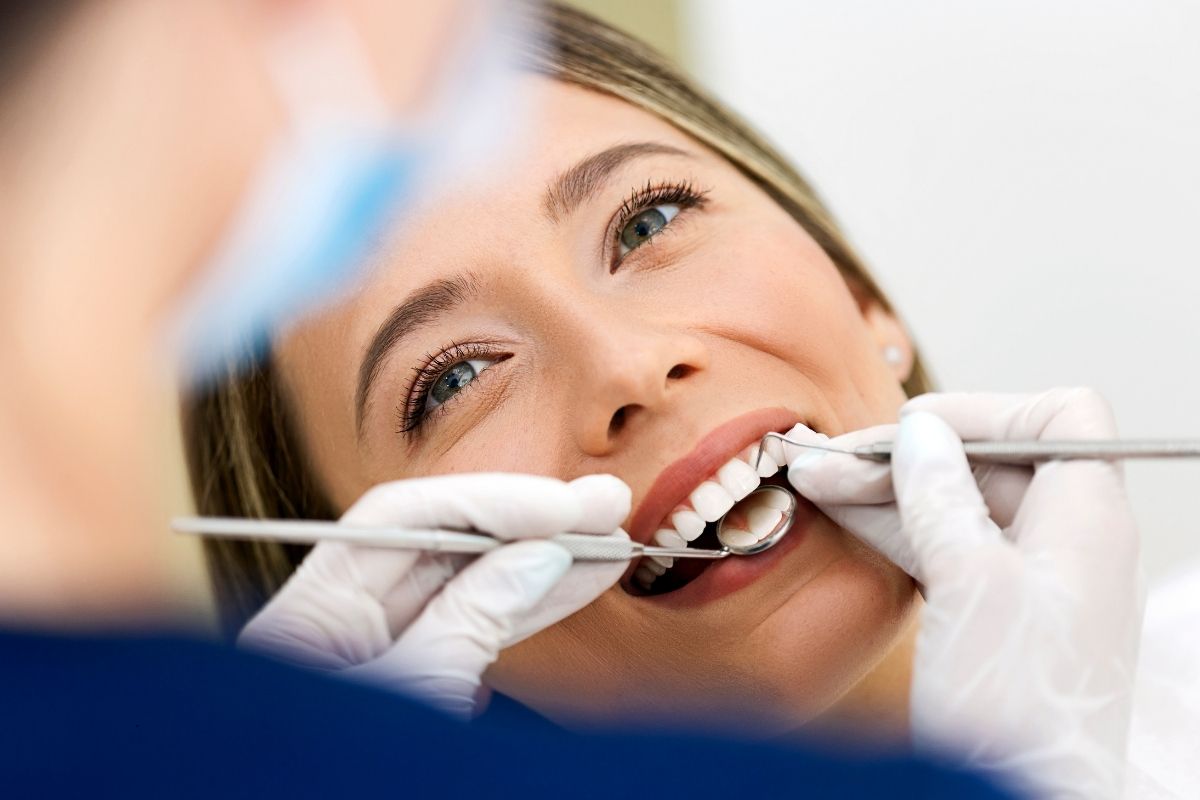
Here’s where professional teeth cleanings come in. During a dental cleaning, a hygienist utilizes specialized tools to remove plaque and tartar buildup from areas your toothbrush and floss might miss. This cleaning process, often referred to as prophylaxis, typically includes:
- Scaling: The hygienist gently removes tartar buildup from the tooth surfaces and below the gumline using an ultrasonic scaler or hand instruments.
- Polishing: A polishing paste removes surface stains and makes your teeth smooth and clean.
- Flossing: The hygienist will professionally floss your teeth, ensuring a more thorough cleaning than you can achieve at home.
- Oral Examination: Your dentist will examine your teeth and gums for any signs of cavities, gum disease, or other oral health concerns.
How Often Do You Need a Cleaning? It Depends!
The ideal frequency for professional teeth cleanings varies depending on several factors:
- Your Oral Health: Individuals with healthy gums and minimal plaque buildup might require cleanings every six months. However, those prone to cavities, gum disease, or smokers might benefit from more frequent cleanings (every 3-4 months).
- Your Brushing and Flossing Habits: Meticulous brushers and flossers might need less frequent cleanings than those with less consistent oral hygiene routines.
- Overall Health: Certain medical conditions can impact oral health. Diabetics or individuals with compromised immune systems might require more frequent cleanings.
Benefits of Regular Professional Cleanings
Maintaining a schedule of professional cleanings offers numerous benefits for your oral health, including:
- Preventing Cavities and Gum Disease: Removing plaque and tartar buildup prevents the bacteria from thriving, causing tooth decay and gum inflammation.
- Improved Oral Health: Regular cleanings ensure your teeth remain clean and polished, promoting overall oral health.
- Early Detection of Issues: During cleanings, your dentist can detect signs of oral health problems like cavities or gum disease in their early stages, allowing for prompt treatment and potentially minimizing long-term complications.
- Fresher Breath: By removing food particles and bacteria, professional cleanings contribute to fresher breath and improved self-confidence.
Maintaining a Healthy Smile with Harborcreek Dental
Understanding your individual needs is key to determining the right cleaning frequency. At Harborcreek Dental in Erie, we prioritize a personalized approach to dental care. Our Erie dentist will evaluate your oral health during your consultation and recommend a cleaning schedule tailored to your unique situation.
Schedule an appointment today! Our friendly team is dedicated to helping you achieve and maintain a healthy, beautiful smile.
Additional Tips for Optimal Oral Health:
- Maintain good oral hygiene habits: Brushing twice daily for two minutes and flossing daily are essential.
- Consider a healthy diet: Limiting sugary foods and beverages helps reduce plaque buildup.
- Don’t smoke: Smoking is a significant risk factor for oral health problems.
- Regular dental checkups: Schedule regular dental checkups and cleanings along with your professional cleanings for a comprehensive approach to oral health.
By incorporating these steps into your routine, you can maintain optimal oral health and minimize the need for complex dental procedures down the road.