

You brush diligently every morning and evening. You floss regularly and use quality mouthwash. Yet, when you look in the mirror, your smile still looks dull and dingy. You find yourself asking, “Why are my teeth yellow when my hygiene routine is thorough?”
Daily brushing removes plaque and surface debris, but it cannot reverse deep internal discoloration or thinning enamel. At Harborcreek Dental, Dr. Kevin Sambuchino helps patients identify the root causes of stubborn staining and achieve brilliant, healthy smiles. If you are ready to transform your smile, visit our dental office for a comprehensive consultation.
The Biological Truth: Enamel, Dentin, and Natural Aging
Teeth lose their brightness over time because the protective white outer enamel gradually wears down. This thinning reveals the naturally yellow dentin layer beneath. Daily brushing keeps surfaces clean, but it cannot stop enamel wear or natural aging.
Your tooth consists of multiple layers. The outermost layer is enamel, which is hard, white, and translucent. Beneath enamel lies dentin, a dense tissue that is naturally yellow or yellowish-brown.
When enamel is thick, it reflects light and covers the deeper yellow layer. Over time, friction, acid exposure, and natural aging thin your enamel. As enamel thins, yellow dentin shows through much more prominently. Brushing cleans the outer enamel surface, but it cannot rebuild worn enamel or change the dark shade of underlying dentin.
According to data from the National Institutes of Health (NIH), over 90% of adults experience some degree of natural enamel wear and underlying tooth discoloration as they age. This explains why even meticulous brushers notice a gradual change in their smile’s shade over time.
Daily Habits That Cause Surface Stains
Certain foods, drinks, and lifestyle habits deposit dark pigments into micro-porous enamel. Even with thorough brushing, these pigments bond quickly to tooth surfaces. Over time, daily exposure leads to cumulative, stubborn discoloration.
Even if you brush twice every single day, daily consumption choices introduce staining agents that attach quickly to enamel.
Local food cultures play a quiet role in how your smile looks. In the local lakefront area, enjoying hot morning dark coffees during chilly winters is routine. Stopping at local spots for dark roasted brew or indulging in sweet treats like traditional sponge candy, dark berry pies, and savory local delicacies like pepperoni balls can introduce dark pigments and food acids to your enamel.
Key triggers include:
- Tannins and Chromogens: Black tea, coffee, and red wine contain intense pigments called chromogens. Tannins help these pigments stick firmly to your enamel.
- Dietary Acids: Soda, citrus, and craft beers temporarily soften enamel. Softened enamel absorbs dark colors far more rapidly.
- Tobacco Use: Nicotine and tar create deep, stubborn stains that penetrate surface microscopic pores.
When you drink coffee or tea throughout the day, the pigments sit on your enamel for hours. Brushing hours later cannot fully lift pigments that have already penetrated surface micro-cracks.
Surprising Non-Dietary Causes of Tooth Stains
Discoloration is not caused only by food and drink. Genetics, prescription medications, fluorosis, and enamel trauma can cause deep discoloration from within the tooth structure itself.
When evaluating causes of yellow teeth, non-dietary factors are frequently overlooked. Understanding these internal factors explains why superficial brushing is often ineffective.
Key Non-Dietary Factors:
- Genetics: Some individuals naturally inherit thinner enamel or a darker yellow dentin hue.
- Medications: Certain antibiotics like tetracycline, when taken during tooth development, cause deep internal staining. Some high blood pressure medications also dull enamel color.
- Dental Trauma: An injury from sports or a fall can damage internal blood vessels inside a tooth. The tooth responds by laying down darker dentin.
- Grinding (Bruxism): Clenching or grinding your teeth wears away outer enamel rapidly, exposing yellow dentin beneath.
Why Over-the-Counter Brushing Products Often Fail
Store-bought whitening pastes rely on abrasive particles that scrub surface debris. However, overly aggressive scrubbing can wear away enamel, ultimately revealing more yellow dentin underneath and causing severe tooth sensitivity.
Many individuals purchase charcoal toothpaste or whitening strips when questioning ‘why are my teeth yellow despite good hygiene,’ only to often find the results disappointing.
Commercial whitening pastes contain abrasive minerals like silica or calcium carbonate. They scrub away fresh surface stains, but they cannot penetrate inside the tooth. Using harsh whitening pastes too aggressively can strip away protective enamel. As enamel thins, your yellow teeth actually become more visible, creating a frustrating cycle.
Professional dental whitening utilizes controlled whitening agents that penetrate deep into porous enamel to break apart discoloration without damaging structural enamel.
Professional Cosmetic Dental Solutions
Cosmetic dentistry provides targeted treatments that lift deep stains or cover severe enamel imperfections safely. Options include clinical whitening, composite bonding, and durable porcelain veneers tailored to individual patient goals.
If you are struggling with stubborn discoloration, professional cosmetic dentistry offers safe, highly effective remedies.
In-Office Teeth Whitening
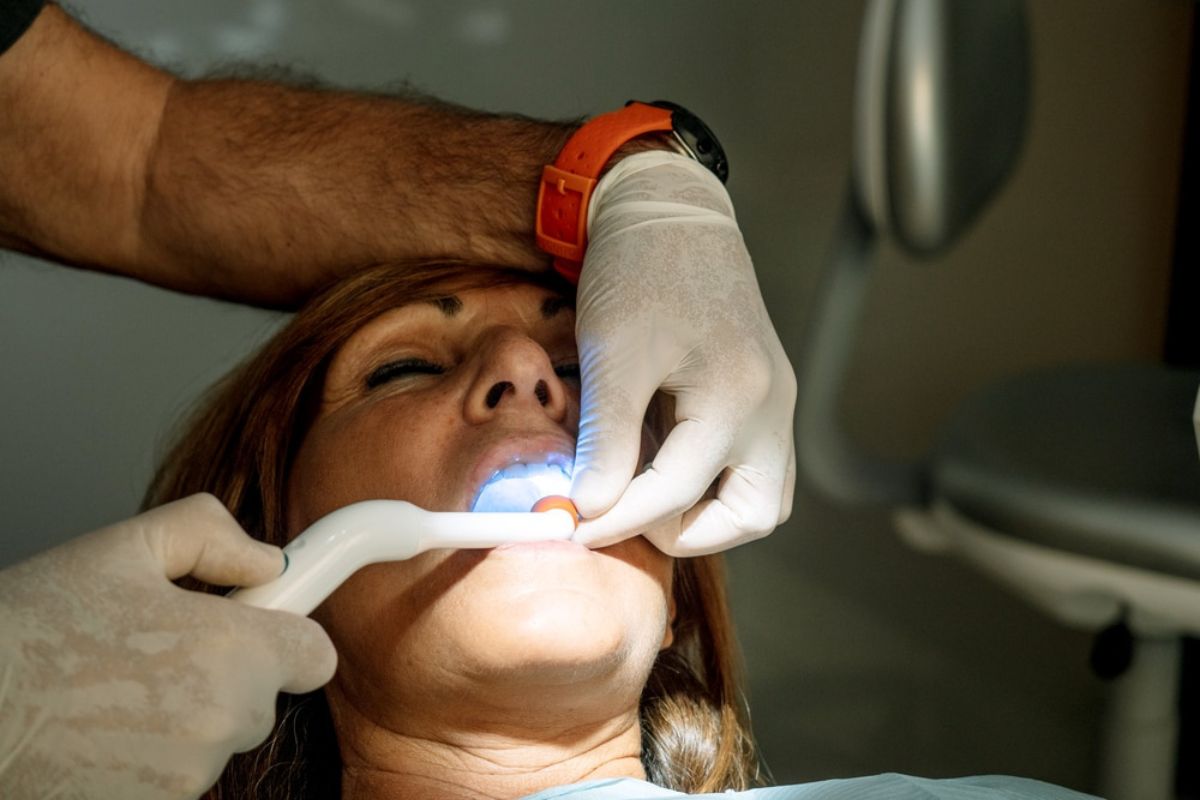
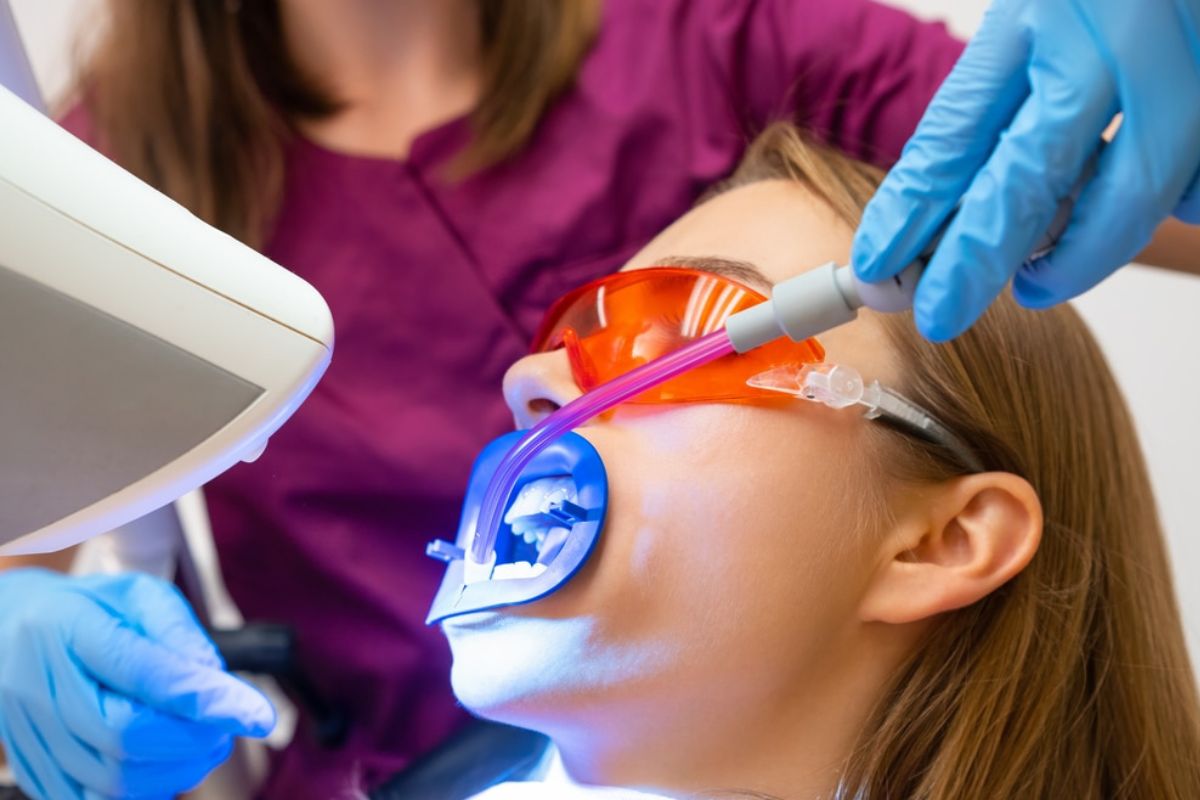
Professional whitening treatment uses high-grade, peroxide-based gel activated by specialized light technology. Procedures like Zoom teeth whitening target deep organic stains, brightening your smile by several shades in just one visit while protecting delicate gums.
Cosmetic Bonding
For localized discoloration or small enamel imperfections, cosmetic bonding applies tooth-colored resin directly to the tooth. The material is sculpted and polished to match your surrounding teeth perfectly.
Porcelain Veneers
When enamel loss is severe, or stains are resistant to bleaching, porcelain veneers offer a long-lasting aesthetic restoration. Ultra-thin, custom porcelain shells bond to the front of your teeth, hiding dark discoloration completely.
How Local Climate and Water Factors Play a Role
Living near Lake Erie means enjoying distinct seasons, from humid summers along Presque Isle beaches to freezing winter winds. Seasonal habit changes affect oral hydration. Cold winds encourage breathing through the mouth, which reduces saliva production.
Saliva is your mouth’s natural defense mechanism. It washes away dark pigments, neutralizes acids, and remineralizes fragile enamel. Dry mouth allows pigments from coffee, dark berries, and local sauces to stick tightly to teeth. Drinking ample fresh water throughout the day protects your enamel and keeps your smile bright.
Schedule Your Personalized Dental Evaluation
Persistent discoloration does not mean you have poor hygiene. It simply indicates that your teeth need targeted professional care that regular toothbrushing cannot provide.
Our experienced team offers complete aesthetic smile assessments tailored to your unique anatomical goals and lifestyle. Book an appointment with us today to explore custom whitening solutions and restore your radiant, confident smile.
Frequently Asked Questions
1. Can hard brushing cause my teeth to look yellower?
Yes, brushing too hard with stiff bristles wears down translucent enamel. As enamel thins, the naturally yellow dentin underneath becomes far more visible, causing your teeth to appear noticeably darker.
2. Why do my teeth look yellow right after I brush them?
Brushing cleans surface debris but cannot alter internal dentin color or deep stains. If your enamel is naturally thin or worn, yellow dentin shows through immediately regardless of brushing.
3. Does drinking coffee with a straw stop tooth staining?
Using a straw reduces direct liquid contact with your front teeth. While it minimizes immediate surface exposure, liquid still circulates in your mouth, so rinsing with water afterward remains essential.
4. Will whitening toothpaste fix intrinsic tooth discoloration?
No, whitening toothpaste only removes light extrinsic surface stains through physical abrasives. Intrinsic discoloration lives deep inside dentin and requires professional whitening gels or cosmetic restorations to treat effectively.
5. Is tooth discoloration a sign of poor oral health?
Not necessarily, because clean and healthy teeth naturally turn darker or yellower with age. However, sudden discoloration can sometimes signal underlying tooth decay, nerve damage, or severe enamel erosion.
6. How often should I get professional teeth whitening treatment?
In-office whitening treatments are typically performed once every year or two, depending on habits. Maintaining good oral hygiene and avoiding dark beverages helps preserve your bright results much longer.
7. Can professional cosmetic bonding cover deeply stained teeth?
Yes, custom cosmetic bonding places a durable, tooth-colored resin directly over deeply discolored areas. It effectively masks dark underlying stains while creating a seamless, natural-looking appearance in one visit.