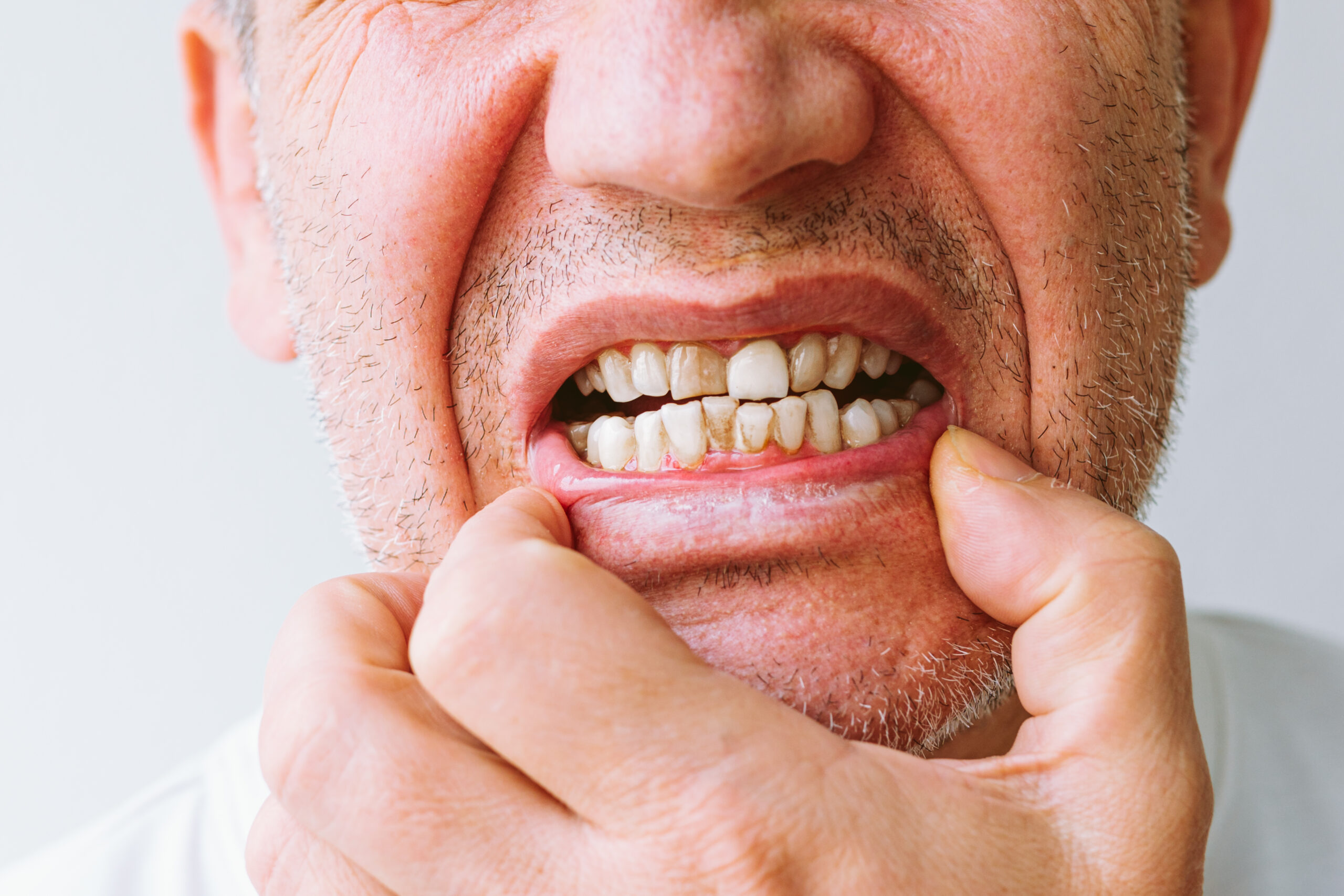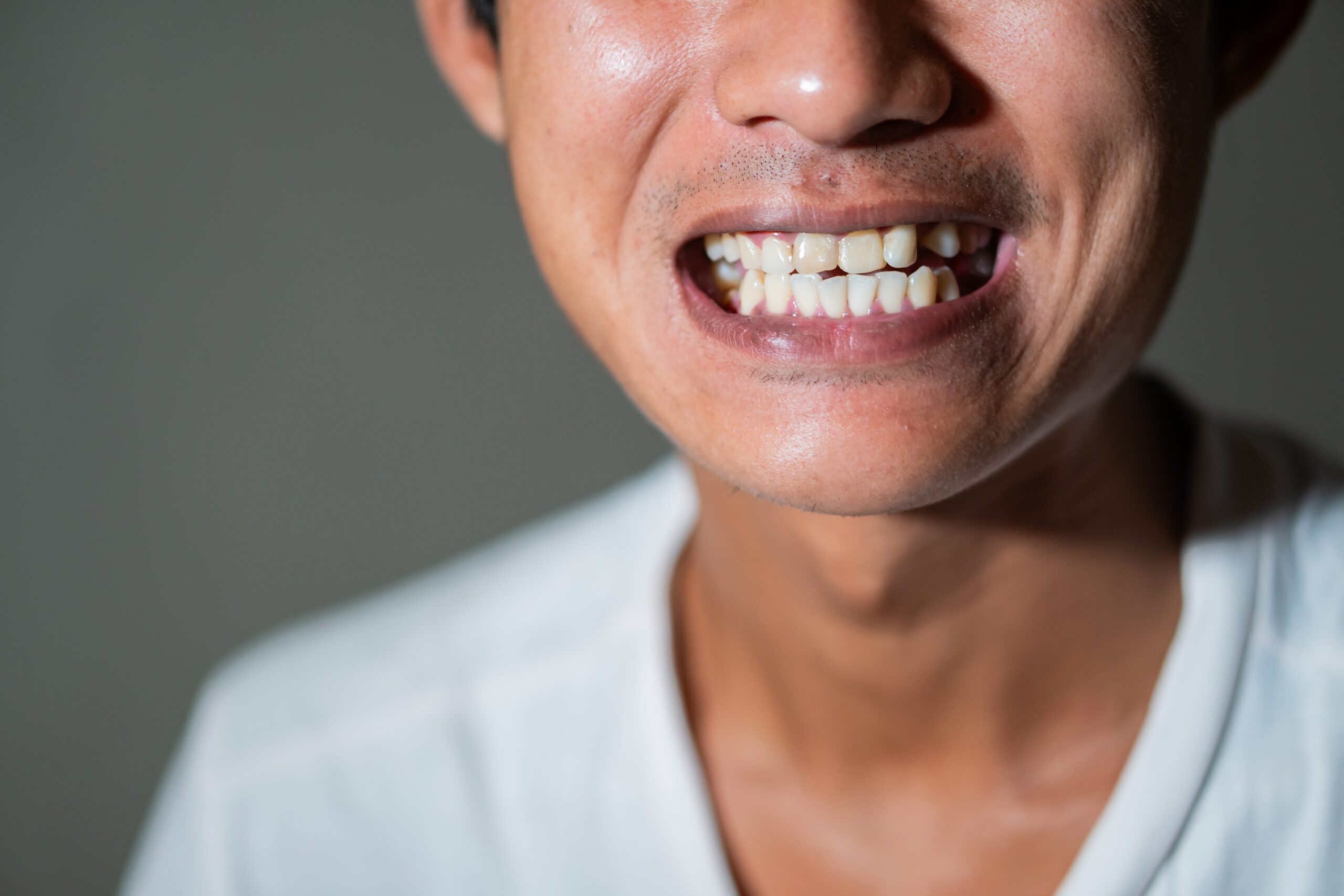


It’s something many patients notice gradually. Teeth that once looked smooth and full begin to appear shorter or flatter. You might feel increased sensitivity when eating, or notice small chips along the edges. For some, it’s tied to nighttime grinding. For others, it’s years of everyday wear from coffee, stress, or natural aging.
When patients discuss these concerns with a cosmetic dentist in Erie, it often becomes clear that it’s not just about appearance, but also comfort and long-term dental health.
What Causes Teeth to Become Worn Down?
Worn teeth are usually the result of several factors working together over time.
Grinding (bruxism) is one of the most common causes. Many people clench or grind their teeth during sleep without realizing it, gradually flattening the biting surfaces.
Acid erosion can also contribute. Frequent exposure to acidic foods, drinks, or reflux can soften enamel, making teeth more vulnerable to wear.
Aging plays a natural role as well. Even with good care, enamel slowly wears down over the years.
Bite issues can accelerate the process. When teeth don’t align properly, certain areas may take on more pressure than they should.
Why Worn Teeth Should Be Treated
It’s easy to think of worn teeth as mainly cosmetic, but there are important functional reasons to address them.
As enamel thins, teeth can become more sensitive, especially to hot or cold foods. Over time, structural weakening can increase the risk of cracks or fractures.
Changes in tooth shape can also affect your bite, leading to imbalance or discomfort in the jaw. And of course, many patients feel that worn teeth impact their smile and confidence.
Addressing wear early helps protect both the appearance and function of your teeth.
Cosmetic Dental Treatments That Can Restore Worn Teeth
The right solution depends on how much wear has occurred, but several cosmetic treatments can effectively restore both form and function.
Dental Bonding
For mild to moderate wear, dental bonding is often a conservative option. A tooth-colored material is carefully applied and shaped to rebuild worn edges. It’s typically completed in a single visit and preserves most of your natural tooth.
Porcelain Veneers
Veneers are thin shells placed over the front of the teeth. They are often recommended when wear affects the visible surfaces, helping restore natural shape, length, and symmetry while improving overall appearance.
Dental Crowns
When teeth are more significantly worn or weakened, crowns may be the most appropriate solution. A crown covers the entire tooth, providing structural support and protection while restoring its natural shape.
Teeth Whitening
In some cases, once the structure is restored, whitening can enhance the final appearance. While it doesn’t fix wear itself, it can help create a more uniform, refreshed smile.
How Dentists Choose the Right Treatment
There isn’t a one-size-fits-all approach. Treatment planning is based on several factors.
The extent of wear is a key consideration. Minor changes may only need bonding, while more advanced wear may require crowns.
Your bite condition also matters. If grinding or misalignment is contributing, that needs to be addressed alongside cosmetic treatment.
Dentists also consider your personal goals, whether you’re focused on subtle improvements or a more noticeable transformation.
Finally, long-term durability is always part of the conversation, ensuring the chosen option supports your oral health over time.
Protecting Your Teeth After Cosmetic Treatment
Restoring worn teeth is only part of the process. Preventing future wear is just as important.
For patients who grind their teeth, a custom night guard can help protect both natural teeth and restorations.
Becoming aware of habits—such as clenching during stress or frequent acidic drinks—can also make a difference.
Regular dental visits allow for early monitoring, helping catch any changes before they become more significant.
A preventive approach helps maintain your results and supports long-term oral health.
How Dentists Restore Function While Improving Appearance
When treating worn teeth, the goal goes beyond aesthetics. Dentists focus on restoring how your teeth work together.
This often involves balancing the bite, so pressure is distributed evenly. Care is taken to preserve as much natural tooth structure as possible, especially in early stages of wear.
Modern materials are selected for both strength and appearance, allowing restorations to blend naturally while standing up to daily use.
Every step is planned with long-term health in mind, helping ensure that improvements are stable and sustainable.
When It May Help to Talk Through Your Options
If you’ve noticed your teeth appearing shorter, feeling more sensitive, or changing over time, it’s reasonable to ask questions and explore what those changes might mean.
If it feels helpful, you can schedule a visit at our Erie dental office to talk through what you’re experiencing and better understand which options may fit your needs.
FAQs
Can worn-down teeth be fully restored?
In many cases, yes. Depending on the level of wear, treatments like bonding, veneers, or crowns can rebuild both the structure and appearance of teeth.
What is the best treatment for severely worn teeth?
Severely worn teeth often require crowns for full coverage and protection, especially when the tooth structure is significantly weakened.
Are veneers or crowns better for worn teeth?
It depends on the extent of wear. Veneers are typically used for front surface improvements, while crowns are better for more extensive damage.
How do I know if my teeth are worn from grinding?
Common signs include flattened edges, small chips, jaw discomfort, or noticing wear without a clear cause. A dental exam can help confirm this.
How long do cosmetic restorations last?
With proper care, many restorations last for years. Longevity depends on the material used, daily habits, and regular dental maintenance.