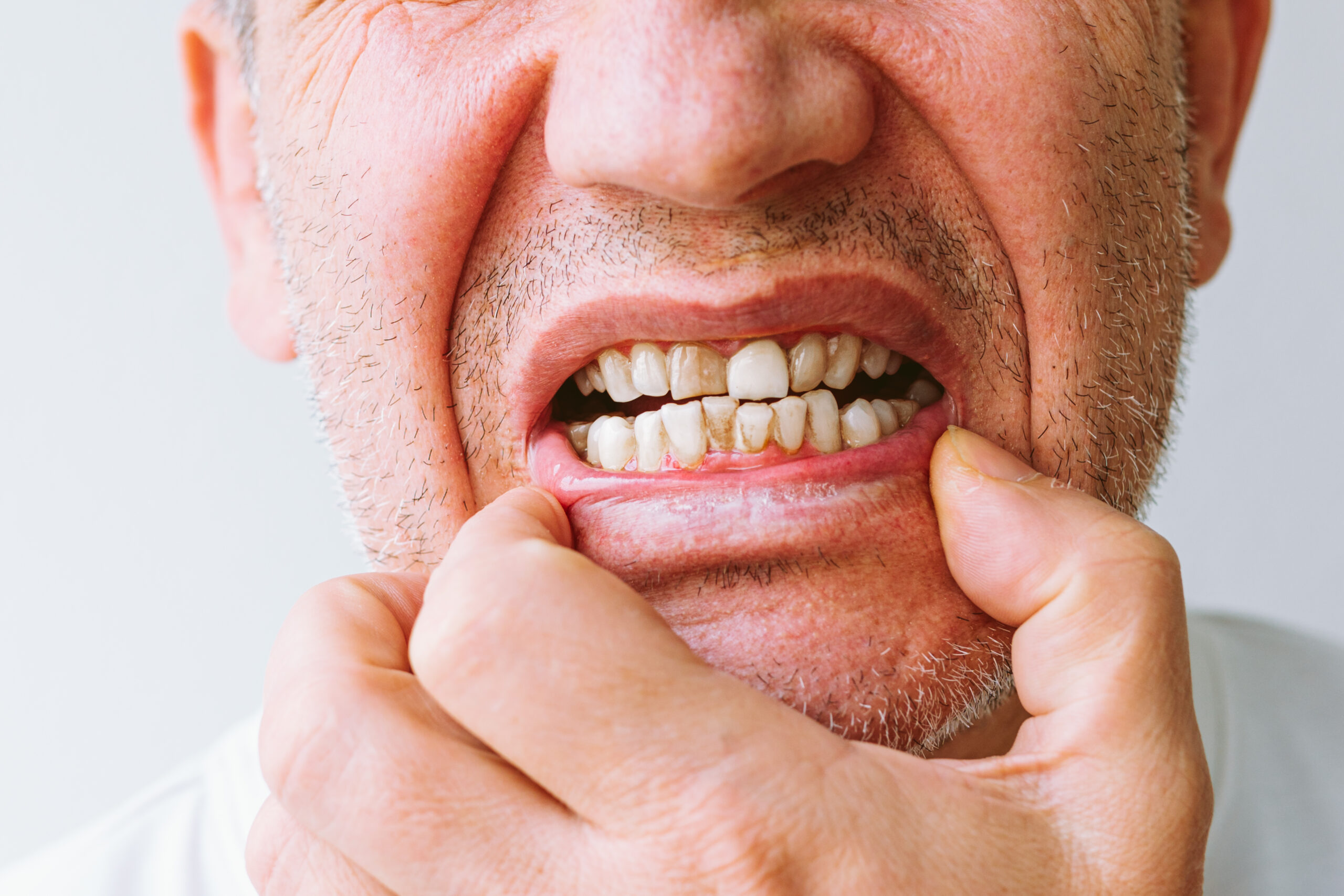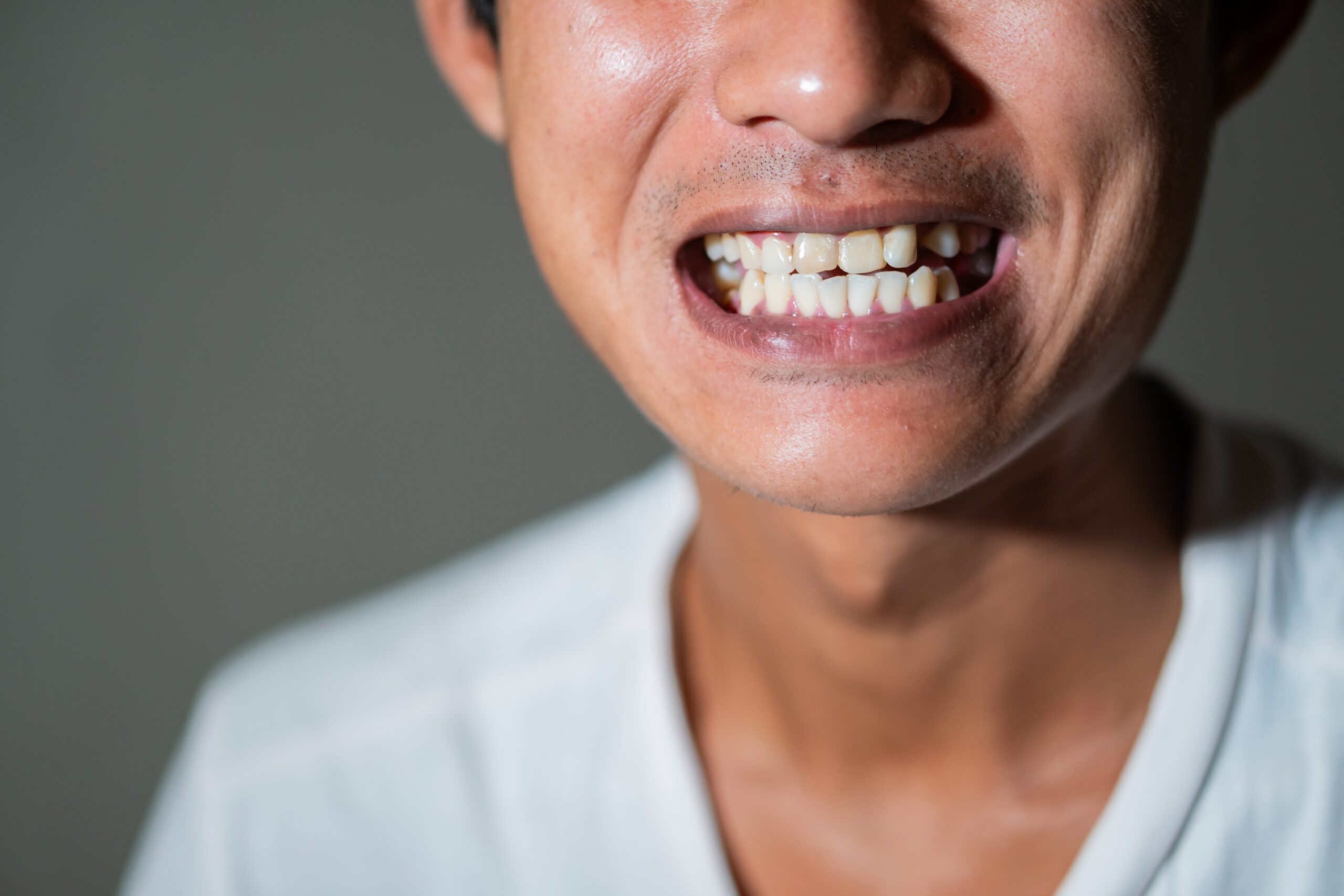

A small chip in your tooth. A tiny gap that always catches your eye in photos. Or maybe an uneven edge that makes your smile feel less polished than you’d like. These little details may seem minor, but they can affect how confident you feel every day.
Dental bonding is one of those treatments people often hear about but don’t fully understand. It’s simple, effective, and for many patients, surprisingly quick. Let’s walk through what dental bonding is, how it works, and when it might be the right option for your smile.
What Is Dental Bonding?
Dental bonding is a procedure where a tooth-colored resin material is applied to the surface of a tooth to improve its appearance. The material is carefully shaped and hardened so it blends in naturally with the rest of your smile.
Dentists often recommend bonding for small cosmetic changes rather than major restorations. It’s commonly used when the goal is to improve how a tooth looks without removing much tooth structure.
How Dental Bonding Works Step by Step?
One of the reasons dental bonding is so popular is that the process is straightforward.
First, the tooth surface is gently prepared so the bonding material can stick properly. This usually doesn’t involve drilling or significant enamel removal.
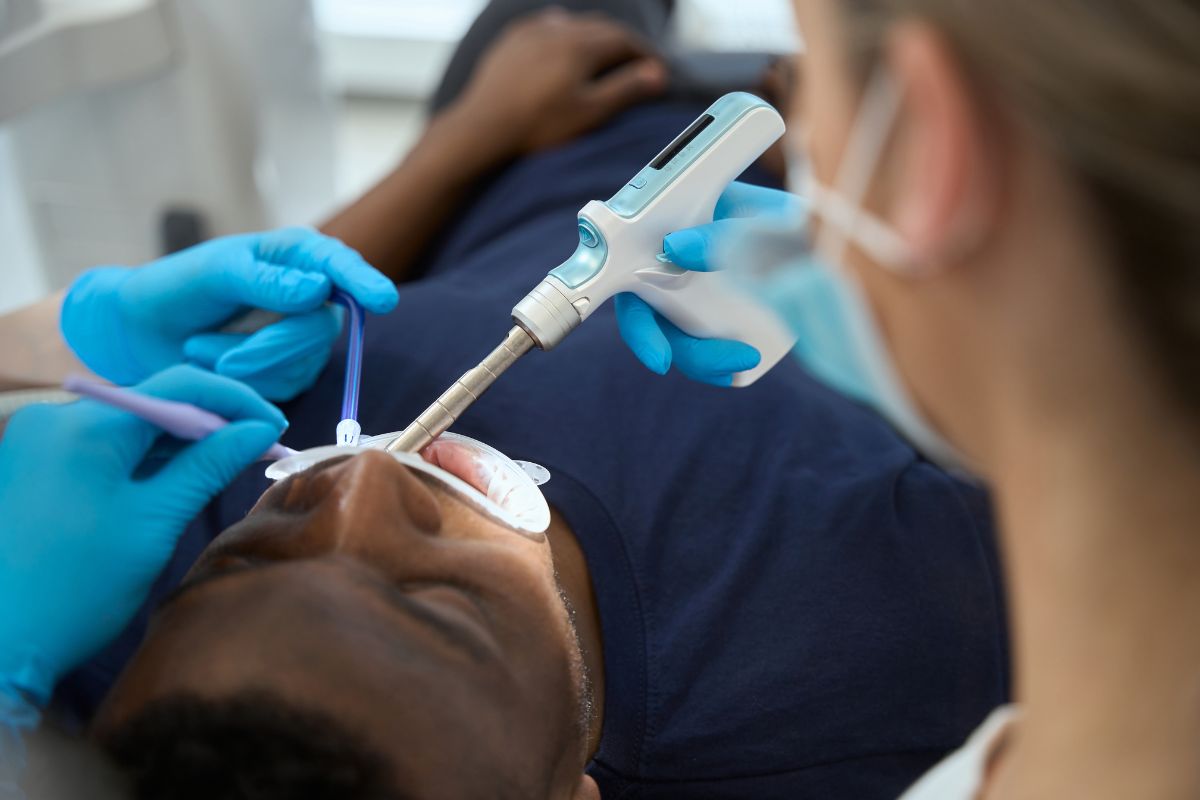
Next, the resin material is applied to the tooth. Your dentist shapes it to match the natural contours of your tooth, paying close attention to how it looks and feels.
Once the shape looks right, a special light is used to harden the material. After that, the bonded tooth is polished so it blends smoothly with your surrounding teeth.
In many cases, the entire process can be completed in a single visit.
What Dental Bonding Can Help Fix?
Dental bonding works well for a variety of minor smile concerns, including:
- Chipped or slightly cracked teeth
- Small gaps between teeth
- Discolored spots that don’t respond to whitening
- Teeth that appear uneven or worn down
For patients looking for subtle improvements, bonding is often part of a broader cosmetic dentistry approach that focuses on natural-looking results rather than dramatic changes.
Is Dental Bonding Painful?
Most patients are relieved to hear that dental bonding is usually comfortable. Because the procedure is minimally invasive, anesthesia often isn’t needed unless bonding is being used to repair a decayed tooth.
After the procedure, you can typically return to your normal routine right away. There’s no long recovery period, and sensitivity is usually mild or temporary, if it occurs at all.
How Long Does Dental Bonding Last?
Dental bonding isn’t permanent, but with proper care, it can last several years. Its lifespan depends on factors such as:
- Your oral hygiene habits
- Whether you grind or clench your teeth
- Foods and drinks you consume regularly
Avoiding habits like biting hard objects and keeping up with regular dental visits can help bonding last longer.
Dental Bonding Compared to Other Options
Dental bonding is often compared to treatments like veneers or crowns. While those options may be better for more extensive changes, bonding is typically chosen for smaller adjustments.
For patients who want a conservative solution, bonding can be a practical part of cosmetic dentistry focused on improving a smile without major dental work.
When Should You Talk to a Dentist About Bonding?
If you’ve noticed small imperfections in your smile that bother you, it may be worth asking a dentist about dental bonding. A professional exam helps determine whether bonding is suitable or if another treatment would provide better results.
If you have questions or want to understand your options, contact us to learn more about what might work best for your situation.
Thinking About a Simple Smile Fix? Visit Harborcreek Dental
Dental bonding offers a simple way to improve small imperfections and feel more confident about your smile. It’s comfortable, efficient, and often completed in just one visit. If you’re considering dental bonding and want guidance tailored to your needs, Harborcreek Dental proudly serves patients in and around Erie, PA. You can request an appointment to discuss your concerns and take the next step toward a healthier, more confident smile.