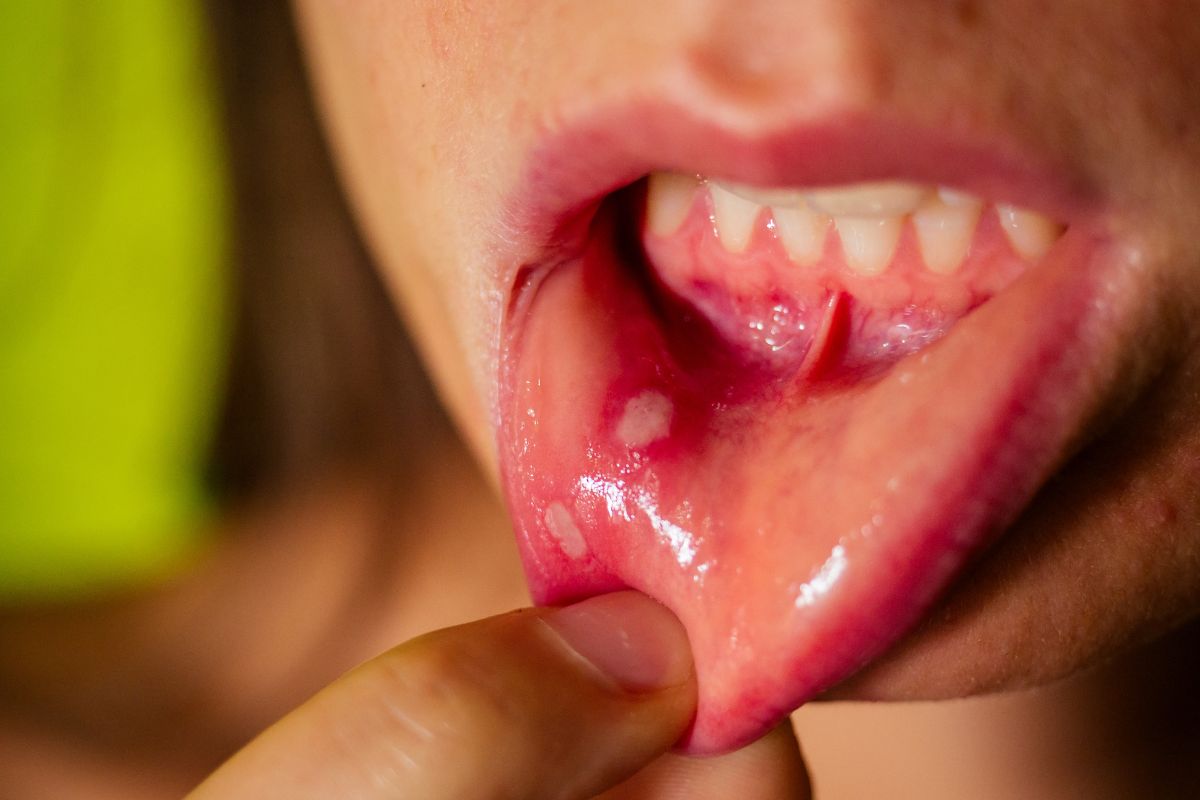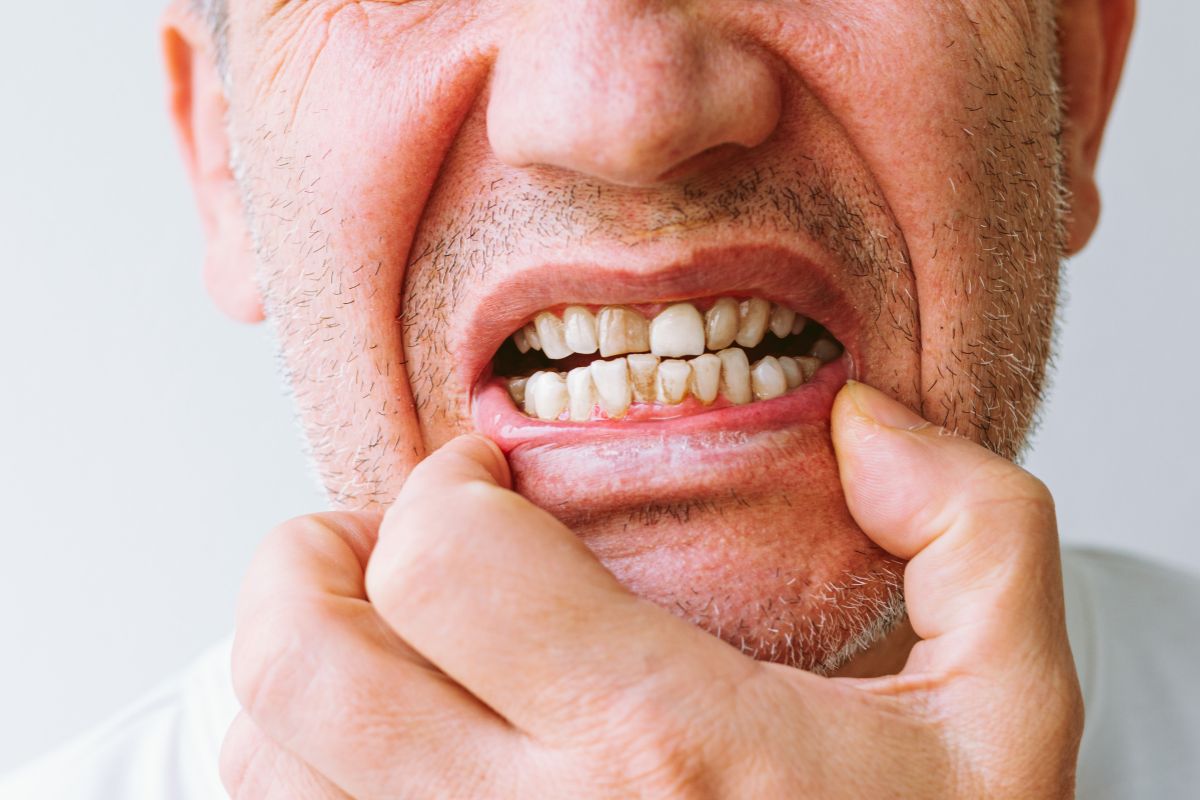


Tooth extraction is one of the most common dental procedures, yet it can leave many patients wondering about the best way to prevent infection. One of the questions we hear most often is: “Do I really need antibiotics after a tooth extraction?” The answer isn’t always straightforward. In this blog, we’ll explore when antibiotics are necessary, what alternatives exist, and how you can promote healing safely after your procedure.
The Purpose of Antibiotics in Dental Care
Antibiotics are medications that help your body fight bacterial infections. In dentistry, they are sometimes prescribed after a tooth extraction to:
- Prevent infection: An extraction leaves an open wound in your gums, which can allow bacteria to enter. Antibiotics can reduce the risk of infection at the site.
- Treat existing infection: If there was an infection around the tooth before it was removed, antibiotics may be needed to help your body heal.
It’s important to remember that antibiotics aren’t automatically necessary for everyone. The decision depends on your individual health and the complexity of the extraction.
When Are Antibiotics Recommended After Tooth Extraction?
Your dentist considers several factors before prescribing antibiotics:
- Type of extraction: Simple extractions with minimal tissue disruption often don’t require antibiotics, but complicated procedures, like impacted wisdom teeth removal, might.
- Existing infection: If the tooth or surrounding gum tissue was already infected, antibiotics can help manage the infection and promote healing.
- Overall health: Patients with conditions that weaken the immune system, such as diabetes or certain heart conditions, may benefit from antibiotics to lower the risk of complications.
- Dentist’s assessment: An experienced dentist can often reduce infection risk through careful surgical technique, sometimes eliminating the need for antibiotics.
Possible Downsides of Taking Antibiotics
While antibiotics can be helpful, they also have potential drawbacks:
- Antibiotic resistance: Overuse can make bacteria stronger, making future infections harder to treat.
- Side effects: Some people experience nausea, diarrhea, or allergic reactions.
- Disruption of natural bacteria: Antibiotics can affect the balance of good bacteria in your body, leading to digestive issues.
Healing Without Antibiotics – Tips for a Healthy Recovery
Even if you’re not prescribed antibiotics, you can take steps to heal safely:
- Maintain oral hygiene: Brush gently around the extraction site and continue daily flossing to remove plaque.
- Manage pain carefully: Follow your dentist’s advice on pain medications to avoid disturbing the blood clot.
- Eat soft foods: Stick to soft or lukewarm foods for the first few days to reduce discomfort.
- Rest and avoid strenuous activity: Give your body the time it needs to heal.
- Use gentle rinses: After 24 hours, rinse your mouth with warm salt water to clean the area and promote healing.
Watch for Signs of Infection
Some discomfort after an extraction is normal, but watch for warning signs that could indicate infection:
- Increasing pain or swelling
- Fever
- Persistent bad taste or odor
- Pus or unusual discharge
If you notice any of these, contact your dentist promptly for evaluation.
Why You Should Always Follow Your Dentist’s Advice
Every patient is unique. The decision to prescribe antibiotics should always come from a qualified dentist who has examined you and considered your overall health. Following your dentist’s instructions ensures a safe recovery and helps prevent complications.
Get a Smooth Recovery with Harborcreek Dental in Erie, PA
Antibiotics aren’t always necessary after a tooth extraction, but professional guidance is essential for a healthy recovery. Your dentist in Erie, PA can evaluate your situation and provide personalized care to promote healing and prevent infection.
Request an appointment with Harborcreek Dental today to discuss your tooth extraction and get tailored advice for a safe, comfortable recovery.