
When was the last time you replaced your toothbrush? It might be time for a new one if you can’t remember. A toothbrush is vital in maintaining oral hygiene, but its effectiveness diminishes with use. A worn-out toothbrush can compromise oral health by allowing plaque and bacteria to build up, precisely what you’re trying to avoid.
Signs You Need a New Toothbrush
How do you know when to toss the old brush and grab a new one? Here’s what to look for.
1. Look at the Bristles
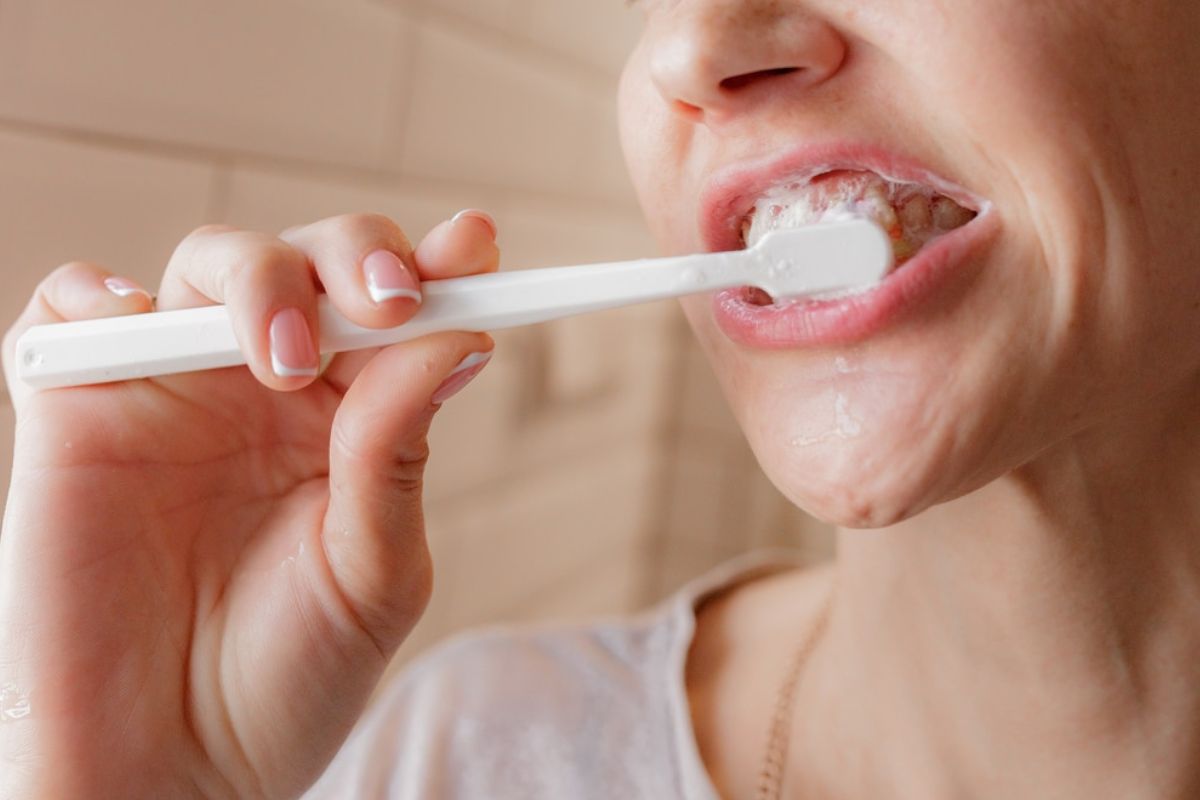
The most obvious sign that your toothbrush needs replacing is frayed or splayed bristles. New bristles stand upright and hold their shape, but over time, they become worn, bent, and less effective at cleaning your teeth and gums. Once the bristles fan out, they can’t efficiently reach between your teeth or below the gumline. If you see this, it’s time for a new brush—no matter how long you’ve had it.
2. The 3-Month Rule
Dentists generally recommend replacing your toothbrush every three months. Even if your brush looks fine, the bristles wear down microscopically with each use, which makes them less effective. Also, over time, bacteria accumulate on the bristles. If you’ve been sick recently, you should replace your toothbrush sooner to avoid reinfection.
3. After Illness
Getting a new toothbrush is wise whenever you’ve had a cold, flu, or infection. Bacteria and viruses can linger on bristles and may potentially lead to reinfection. Although it’s unlikely, it’s still best to err on caution.
4. Improper Storage
Where and how you store your toothbrush also impacts its lifespan. If your toothbrush is stored in a closed container, it may not dry properly, creating a perfect environment for bacteria and mold. If you notice any discoloration or a musty smell, don’t hesitate—replace it.
5. Children’s Toothbrushes
Kids tend to chew on their toothbrushes and wear them out faster than adults. You may need to replace your child’s toothbrush more frequently—sometimes as often as every 6–8 weeks. Regular checks can ensure their brushes remain safe and effective.
6. Your Brushing Technique
Are you brushing too hard? Aggressive brushing wears out toothbrushes faster and can damage your enamel and gums. If your bristles look worn before the three-month mark, consider evaluating your brushing pressure and speaking with a dentist. If you need personalized advice, a qualified dentist in Erie can help you improve your oral care routine.
Why It Matters?
An old toothbrush just can’t do the job. Ineffective brushing allows plaque buildup, leading to cavities, gum disease, and bad breath. A fresh toothbrush ensures you’re giving your teeth and gums the care they need to stay healthy.
Conclusion: Keep It Fresh for a Healthier Smile
A simple swap every three months can make a big difference in oral health. Check the bristles, note how long you’ve used the brush, and don’t hesitate to replace it after illness or heavy wear.
At Harborcreek Dental, we’re committed to helping you maintain a bright, healthy smile. If you have questions about oral hygiene or need a professional cleaning, our team is here to help. Request an appointment today, and let us help you take the next step toward better dental health.